
















The Real Deal With Drinking During Pregnancy

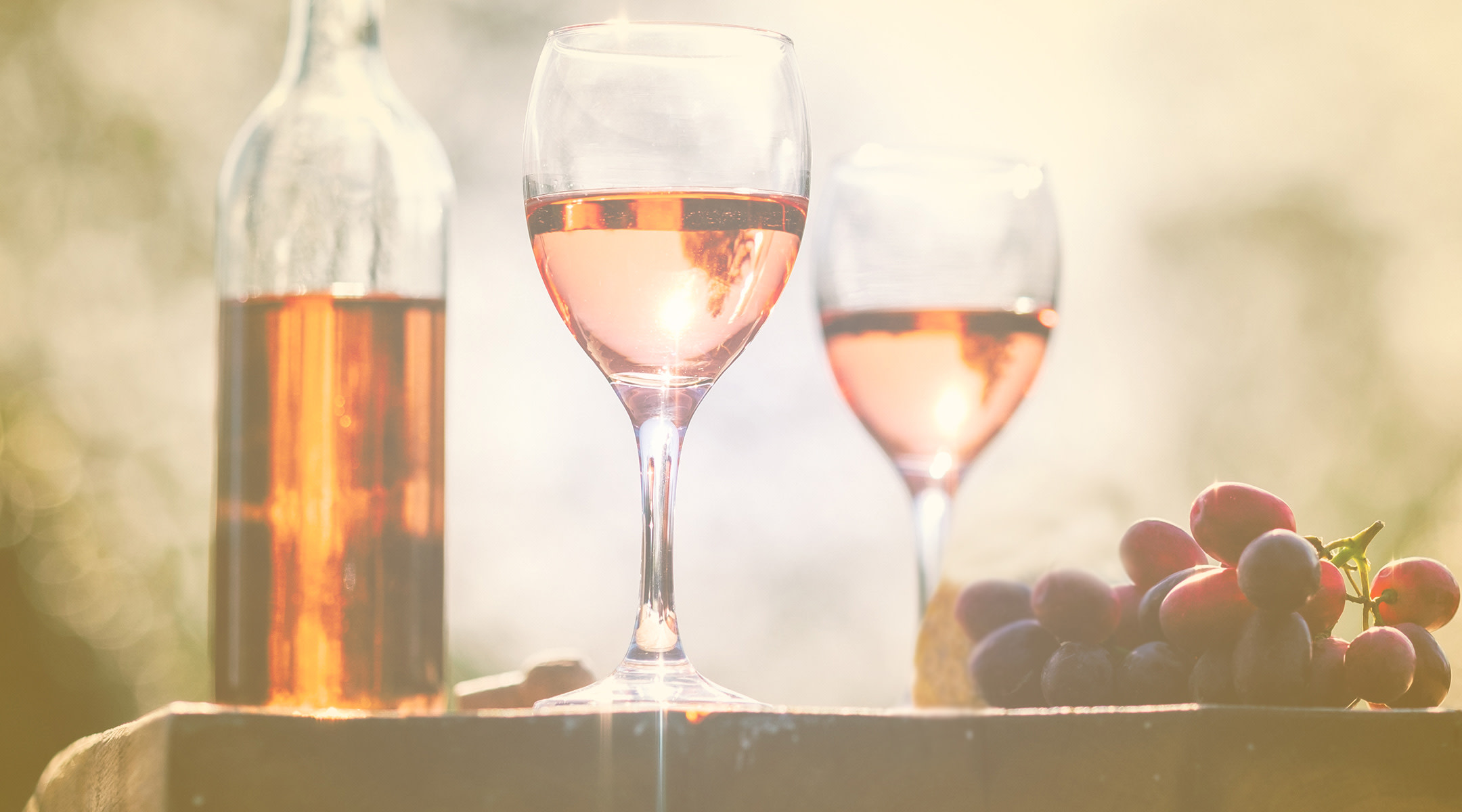

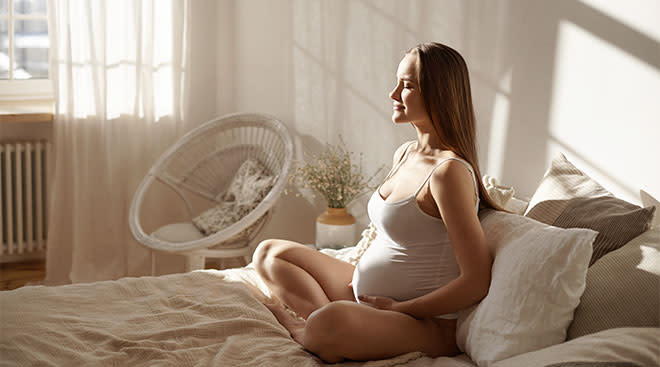
Learning you’re expecting is absolutely cause for celebration—but breaking out that bubbly? Better save it for after you deliver. Sure, light drinking in everyday, pre-pregnancy life is thought to have some bonus health benefits (think of all those heart-healthy antioxidants in red wine), but the same isn’t true when it comes to consuming alcohol during pregnancy. What are the real effects of drinking alcohol while pregnant? Should you be worried if you had a drink in early pregnancy before you knew you’re expecting? And are non-alcoholic beers and non-alcoholic wines a good substitute? Read on for answers.
In this article:
Official guidelines say no amount of alcohol is considered safe to drink during pregnancy. While some women choose to have the occasional drink while pregnant, and recent books like Expecting Better by Emily Oster, a professor of economics at Brown University, have questioned the science behind the no alcohol guideline, the American Congress of Obstetricians and Gynecologists (ACOG) strongly urges women to refrain from drinking alcohol while pregnant.
That’s because the alcohol you ingest can reach baby through the placenta. And while an adult’s liver is capable of breaking down alcohol, baby’s developing liver is not.
“Alcohol is a confirmed teratogen, or an agent that can affect the development of a fetus,” says Tom Donaldson, president of the National Organization on Fetal Alcohol Syndrome. Fetal Alcohol Syndrome is among the spectrum of disorders that can be caused by drinking alcohol while pregnant, and results in baby having stunted growth, a dysfunctional central nervous system (which leads to neurobehavioral disorders) and a specific pattern of facial abnormalities. In the US, 40,000 babies are affected by Fetal Alcohol Syndrome annually, and another 2 to 7 percent are affected by milder forms of cognitive impairment due to prenatal alcohol exposure every year, according to the National Organization for Fetal Alcohol Syndrome.
The effects of drinking alcohol while pregnant—even just a small amount—can be severe. It can put baby at risk for a range of birth disorders, known as Fetal Alcohol Spectrum Disorders, including Fetal Alcohol Syndrome and other physical, mental, behavioral and learning disabilities that could have lifelong implications for baby. According to the CDC, drinking alcohol during pregnancy can lead to:
- Developmental delays
- Hyperactive behavior and trouble with attention
- Poor memory
- Intellectual disabilities or low IQ
- Learning disabilities
- Speech and language delays
- Poor judgment skills
- Facial abnormalities (such as a small head, small eyes and flattened cheekbones)
- Physical birth defects, including issues with the kidney, skeleton and heart
- Vision and hearing problems
- Poor coordination
- Sleep problems as a baby
Another effect of drinking alcohol while pregnant? Light drinking can raise the risk of miscarriage in the first trimester by as much as 30 percent and a second trimester miscarriage by as much as 70 percent, according to a Danish study of more than 90,000 pregnancies.
“We know that alcohol use interferes with healthy development and may cause brain and birth defects,” Donaldson says. “We also know that while Fetal Alcohol Syndrome is associated with heavy drinking (more than seven drinks a week), genes also play a part in how alcohol exposure may affect a developing fetus.”
Even light drinking while pregnant could cause subtle behavioral or learning shifts that may not show up until later on, when the child hits adolescence. “The truth is, we don’t know how one or two drinks affects a fetus because every pregnancy and every mother is different,” Donaldson says. “That’s why we recommend women abstain entirely from alcohol for the duration of their pregnancy.”
The strict no-alcohol pregnancy guidelines send some moms-to-be into a panic, asking themselves, “What if I drank before I knew I was pregnant?”
The CDC says to stay away from alcohol if you’re trying to conceive—but let’s be honest, there are plenty of us out there who had a second (or third) margarita before getting a positive pregnancy test. In the US, half of pregnancies are unplanned, so you can imagine how many women wind up finding themselves in this situation.
The answer? Don’t worry. “Any alcohol you consume very early in your pregnancy (before 8 weeks), is likely to not have an effect on the fetus,” says Iffath Hoskins, MD, a clinical associate professor in the Department of Obstetrics and Gynecology at NYU Langone Medical Center. “As soon as you stop drinking, any harmful effect will likely be corrected by the healthy cells that are rapidly developing.” Experts say what’s important is to stop drinking as soon as you learn you’re expecting and set the course for healthy habits for the rest of your pregnancy.
But if you are actively trying to get pregnant, lay off the alcohol so you don’t wind up drinking in early pregnancy before you know the happy news. And if you’re starting a family with a male partner, suggest he does the same to make sure the sperm and egg are as healthy as possible before conception. The first few weeks are critical in terms of the survival of the pregnancy, and any damage to the embryo—like suffering from alcohol during pregnancy—could lead to miscarriage, Hoskins says.
The guidelines for drinking alcohol while pregnant are clear—but in the real world, things can seem a bit muddled. Opinions on drinking while pregnant can differ, and some moms-to-be are are choosing to enjoy an occasional glass of wine during their pregnancy. Some obstetricians even back them up. “When I was pregnant, my OB told me a small glass of wine to help me relax one or two times a week was better on the baby than a ton of stress. I followed that advice,” says Alison, mom to a two- and three-year-old.
Having any alcohol during pregnancy goes against ACOG recommendations, but some OBs base their philosophy that light, occasional drinking while pregnant is okay on a study called the UK Millennium Cohort Study, which tracked 11,000 children born between 2000 and 2002 at ages 3, 5 and 7. It found that the kids whose mothers drank lightly while pregnant scored higher on cognitive function and were less likely to have behavioral or attention problems. Another study, published in the medical journal BJOG in 2012, surveyed the drinking habits of 1,500 women and then analyzed their children’s intelligence at the age of 5. In this study, women who drank small amounts of alcohol during pregnancy—up to four drinks a week—had children with “no significant mental impairments.” Get this, though: Even the researchers cautioned their findings. “As alcohol remains a known teratogen, it remains the most conservative advice for women to abstain from alcohol during a pregnancy,” the authors said in a statement.
Experts agree, wondering whether the findings may be more related to correlation than causation. For example, in the Millennium Cohort Study, the women who lightly drank alcohol during pregnancy were also more likely to be higher educated and in a higher socioeconomic bracket than the other women studied, which could have played a part in their children’s performance, since those kids may have had more opportunities and advantages.
So can pregnant women drink wine, especially if it’s just one glass for a special occasion? “Ultimately, it’s important to talk with your doctor before you make the decision to drink during pregnancy,” Hoskins says. “Your personal situation, including medications taken and your body fat, will all affect how effective your body’s enzymes are at breaking down alcohol.”
Bethany, 31, mom to a one-year-old, did just that. “I had wanted to have a glass of wine during my anniversary dinner during my second trimester. But my doctor was very against the idea, and in the end, I’m glad I didn’t,” she says. “When I had my baby two months early, it was nice that I could look back on my behavior and know I had done everything ‘right.’”
At the end of the day, Donaldson says it’s best for women to look at the research and weigh the risks of drinking alcohol while pregnant. “I feel like the danger is when a woman says to others, ‘Well, I did this and my child was fine,’” he says. “That was the way it worked for you. But every woman is different. And as an organization involved in public health, we can’t say light drinking is fine when we simply don’t know.”
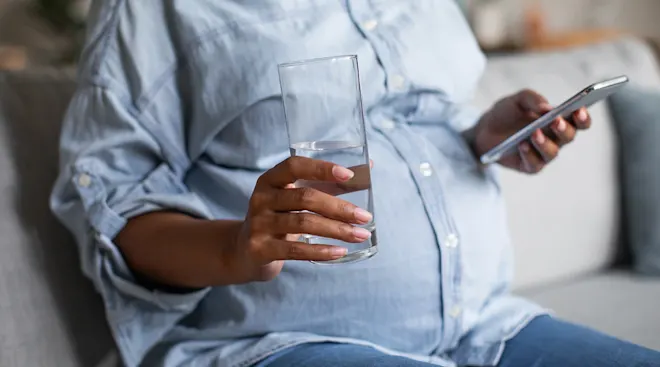
So if drinking alcohol while pregnant is a no-go, what are the alternatives? Some women have found a workaround by enjoying a non-alcoholic beer or glass of non-alcoholic wine during pregnancy—but experts say you should proceed with caution. Non-alcoholic beer might still contain slight amounts of alcohol: A 2014 study published in the College of Family Physicians of Canada found that non-alcoholic beer can sometimes have more alcohol than what the label states. The data showed some brands claiming to have zero alcohol levels actually had levels of up to 1.8 percent alcohol. (That may be a result of the brewing process; some batches may contain more alcohol than others.) According to ACOG recommendations, no amount of alcohol is considered safe—so if you’re sticking to the rules, the answer to the question “how much alcohol can you drink while pregnant?” is truly zero. If you’re having trouble quitting drinking while pregnant, it’s essential to let your OB know as soon as possible. “The stakes are too high to keep it under wraps,” Hoskins says.
Instead of drinking alcohol while pregnant, try sipping on a delicious mocktail that has the added bonus of giving you one thing rosé doesn’t: peace of mind.
Published June 2017
Please note: The Bump and the materials and information it contains are not intended to, and do not constitute, medical or other health advice or diagnosis and should not be used as such. You should always consult with a qualified physician or health professional about your specific circumstances.
Navigate forward to interact with the calendar and select a date. Press the question mark key to get the keyboard shortcuts for changing dates.