






























Is Liquid I.V. Safe for Pregnancy? The Complete Guide to Electrolytes & Hydration


Between nausea, headaches and fatigue, many expectant parents are constantly looking for ways to stay hydrated—and plain old water may not always cut it. That’s why using electrolyte powders like Liquid I.V. while pregnant has become popular.
I struggled with morning sickness for the first four months of my pregnancy, but didn’t turn to supplementing with electrolytes until the month before my daughter was born. My doctor found that my amniotic fluid was low, and that if my levels decreased further I’d need an induction. So I made it a top priority to stay as hydrated as possible and tried nearly every specialty drink, packet and natural electrolyte option I could find.
“In pregnancy, our fluid volume significantly increases, so as fluid needs go up so do electrolytes to help with circulation, prevent dehydration, maintain energy and support fetal growth and development,” says Shira Sussi, MS, RD, a prenatal dietitian based in Brooklyn, New York. “Electrolytes are essential minerals that, once dissolved in fluid, carry an electric charge necessary for important body functions like keeping your heart beating, fluid balance and preventing headaches or cramps. You can find them in all body fluids like sweat, urine, blood and even amniotic fluid.”
Those are all very good reasons to stay hydrated. But is Liquid I.V. safe for pregnancy? Ahead, read the “scoop” on electrolyte powders and pregnancy hydration.
- Occasionally using Liquid I.V. while pregnant is generally safe for a healthy pregnancy, but you shouldn’t use it daily. If you have a medical condition, talk to your doctor about your options.
- Liquid I.V. contains electrolytes, vitamins and sugar (although it’s available in sugar-free form) that may help some people stay hydrated. It shouldn’t replace your regular prenatal vitamin or a healthy diet of mineral-rich foods.
- Hydration is very important during pregnancy, but most pregnant women can meet their hydration needs by drinking 8 to 12 glasses of water a day and eating healthy foods. Ask your doctor before you start any type of supplementation.
Occasionally mixing Liquid I.V. into your water is considered safe during pregnancy for otherwise healthy moms-to-be. It’s designed to help the body absorb water more efficiently by boosting electrolytes like sodium and potassium, and it provides a few essential vitamins as well.
That said, safety depends on your personal health. Pregnant people with high blood pressure, gestational diabetes and other medical conditions should be cautious. “A Liquid I.V. pack mixed with water is generally okay, especially to support hydration, if you’ve been sweating, it’s mid-summer and you live in a really hot place or [you have] excessive vomiting in the first trimester,” Sussi explains.
While Liquid I.V. offers sugar-free options, if you have certain conditions you should watch out for those with added sugar. “Those with gestational diabetes should be cautious of the added sugars in Liquid I.V.,” says Sussi. “[People with] kidney conditions should be mindful of the extra sodium and potassium in electrolyte packets.”
It’s also very important that Liquid I.V. isn’t the only thing on your menu when it comes to hydration. “Products like Liquid I.V. can be beneficial to a well-rounded diet, but shouldn’t be how a person gets in their electrolytes daily,” says Sussi. “I would advise enjoying it as an alternative to water occasionally, or on days you’re doing heavy exercise or sweating, and balance it out with whole foods naturally rich in electrolytes.”
Liquid I.V. is marketed as an oral rehydration solution. Understanding the ingredients can help you weigh whether it’s the right choice for you during pregnancy.
The science of oral rehydration solutions
Oral rehydration solutions were first developed to treat dehydration caused by illness, and they work by combining sodium, potassium and glucose to enhance water absorption in the intestines. Today, products like Liquid I.V. use that same principle but package it in a flavored, convenient powder.
Key ingredients in Liquid I.V. and their roles in pregnancy
These are the key ingredients in Liquid I.V. and similar products:
- Sodium and potassium. These electrolytes are essential for maintaining fluid balance and supporting nerve and muscle function. In pregnancy, the need for electrolytes increases slightly. But keep in mind that too much sodium may worsen swelling or raise blood pressure, so talk to your doctor about options tailored to any conditions you may have.
- Sugar (pure cane sugar and dextrose). Sugar helps drive electrolyte absorption and each packet of Liquid I.V. contains about 11 grams. (You can get a sugar-free version as well.) While that’s not excessive, pregnant people with gestational diabetes or elevated blood sugar should check in with their healthcare provider. “The 11 grams of sugar per packet doesn’t go to waste. Your intestinal tract requires glucose to draw sodium and water into your blood via sodium-glucose cotransport,” explains David Ghozland, MD, an ob-gyn in Southern California.
- B vitamins and vitamin C. Liquid I.V. includes several B vitamins, plus vitamin C, which can provide an energy boost and immune support. However, it doesn’t replace your prenatal vitamins. “It’s more of an added bonus,” says Sussi.
Hydration is the name of the game during pregnancy. After all, you’re supporting increased blood volume, amniotic fluid and baby’s development—all of which require extra water intake. (You should drink about 8 to 12 cups of water a day while pregnant, by the way.) That said, Ghozland says most women don’t need hydration supplements. “When you consume actual food and drink when hungry, your body maintains a good balance of fluids,” he says.
Dehydration in the first trimester
The first trimester can be especially challenging. Nausea and vomiting often make it hard to keep fluids down, and dehydration can set in quickly. This is a major reason why many people turn to electrolyte powders like Liquid I.V. “I couldn’t even look at plain water without gagging in early pregnancy,” shares Jessica S., a mom of one in California. “Having something flavored with electrolytes made it possible for me to get fluids in, even if I only used it every few days.”
The risks of dehydration
Dehydration during pregnancy isn’t just uncomfortable—it can be risky. Mild dehydration often causes headaches, dizziness, constipation and fatigue. But more severe dehydration can trigger contractions, reduce amniotic fluid and even pose risks to baby’s growth if it goes on for a long time. Staying ahead of dehydration is key, which is why products that promise faster hydration can be appealing.
Kim P., a mom of four in Florida, started using Liquid I.V. during her second pregnancy. “I had an unquenchable thirst while I was pregnant,” she says. “I was drinking so much water and was peeing all the time, but I was feeling so thirsty all the time. I then learned a lot about hydration and minerals, and realized I wasn’t actually hydrated. I also liked having a new flavor in my mouth when I was feeling queasy.”
If you’re looking for an alternative to Liquid I.V. while pregnant, you can potentially use another type of electrolyte powder—there are a ton of other brands on the market. Check out the ingredients to see if they fit your needs better, and speak to your health provider if you’re not sure. There are options that contain magnesium (which Liquid I.V. doesn’t), with less sodium and without artificial sweeteners like Stevia. “You can compare the different products out there—or make your own,” suggests Sussi. Remember to talk to your doctor first, though.
If you’d rather skip prepackaged electrolytes altogether, there are other ways to stay hydrated during pregnancy. They include:
Food and drink alternatives
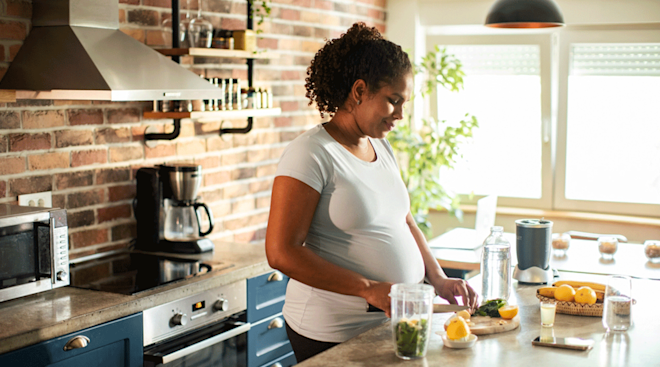
Many people find infused water easier to tolerate—think lemon, cucumber or berries added to plain water. Coconut water naturally contains electrolytes without added sugar.
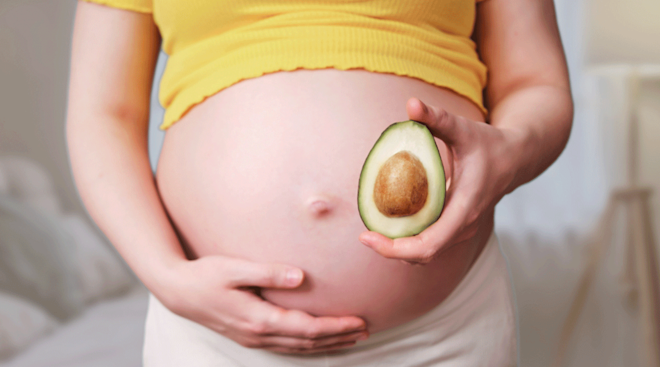
Foods like bananas, avocados and leafy greens are naturally rich in potassium and magnesium, while soups and broths can provide both fluids and electrolytes. “Electrolytes like sodium, potassium and magnesium are found in all whole foods, especially plants coming from soil with high mineral content,” says Sussi. “But if you’re truly unable to eat a variable diet due to adverse symptoms during pregnancy, this is when an electrolyte packet can be helpful.”
Some moms-to-be make homemade rehydration drinks by mixing water with a pinch of salt, a splash of fruit juice and a drizzle of honey.
Other options
If your dehydration symptoms are severe, you may need IV fluids. “Understand when to use home remedies,” says Ghozland. “Repeated vomiting with intense dehydration requires IV fluids and treatment, not packets available in grocery stores.” Always follow your provider’s guidance in these situations.
Frequently Asked Questions
Can I drink Liquid I.V. every day while pregnant?
Most experts recommend occasional, rather than daily, use of Liquid I.V. while pregnant. Using it every day may add unnecessary sugar and sodium to your diet.
Can I take Liquid I.V. for morning sickness?
Yes, some people find it helpful to use Liquid I.V. during bouts of nausea or vomiting. Just keep an eye on sugar intake and talk to your provider if your morning sickness is severe.
Can you drink electrolytes while pregnant?
Yes. Electrolytes are important for fluid balance, but you don’t necessarily need to supplement daily if you’re eating a balanced diet.
Is LMNT pregnancy safe?
LMNT is another popular electrolyte brand. Occasionally consuming electrolytes during pregnancy is generally considered safe. But unlike some of the other brands, LMNT has a pretty high sodium content at 1,000 milligrams a packet. Again, too much sodium can increase swelling and raise your blood pressure. While an occasional LMNT packet is unlikely to do any harm, talk to your doctor before you decide to take it regularly.
What are the best hydration packets for pregnancy?
Products with lower sugar and clean ingredients are generally best for hydration during pregnancy. Ask your provider for recommendations tailored to your health.
Is it safe to take Liquid I.V. while breastfeeding?
Occasional use of Liquid I.V. is safe for most breastfeeding parents, although you can usually meet your hydration needs with water and balanced nutrition.
Liquid I.V. can be a safe and helpful tool during pregnancy if you use it occasionally, especially if you’re dealing with nausea, vomiting or trouble staying hydrated. However, it isn’t necessary for everyone and shouldn’t replace water or prenatal vitamins. Alternatives like infused water, electrolyte-rich foods and homemade solutions can often do the trick. The bottom line: Staying hydrated is important, and the best approach is the one that works for you and your healthcare provider signs off on.
Please note: The Bump and the materials and information it contains are not intended to, and do not constitute, medical or other health advice or diagnosis and should not be used as such. You should always consult with a qualified physician or health professional about your specific circumstances.
Plus, more from The Bump:
David Ghozland, MD, FACOG, is an ob-gyn in Southern California with a focus on cosmetic gynecology.
Shira Sussi, MS, RD, CDN, is a prenatal dietitian based in Brooklyn, New York.
American College of Obstetricians and Gynecologists, How Much Water Should I Drink During Pregnancy?, October 2020
Real-parent perspectives:
- Jessica S., mom of one in California
- Kim P., mom of four in Florida
Learn how we ensure the accuracy of our content through our editorial and medical review process.
Target Baby Registry
Free $100+ Value Welcome KitFree $100+ Value Welcome Kit
15% Completion Discount15% Completion Discount
Free 1-Year ReturnsFree 1-Year Returns
20+ Exclusive 20% Off
Deals For Mom & Baby20+ Exclusive 20% Off Deals For Mom & Baby1:1 Concierge With
Baby Gear Specialists1:1 Concierge With Baby Gear Specialists

*Subject to availability and Retailer's terms.
We earn commissions from these links.