




BookmarkBookmarkTickBookmarkAddCheckBoxFilledCheckBoxCircleBumpCheckedFilledMedical

How the US Fertility Rate Hit a New Low While Births Continued to Rise

With over 3.6 million babies born in 2024, falling fertility rates tell a new story about how modern parenthood is changing with age and choice.
save article
profile picture of Wyndi Kappes
By Wyndi Kappes, Associate Editor
Published July 25, 2025
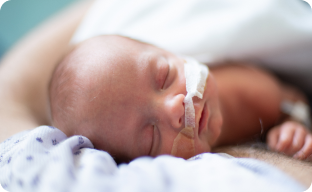
swaddled newborn baby in hospital
Image: Ana Sha | Shutterstock

The Centers for Disease Control (CDC) released new data on Thursday revealing that the US general fertility rate has dropped to an all-time low. In 2024, there were 53.8 births per 1,000 women ages 15 to 44—a 1% dip from the year prior and part of a long-term downward trend. Since 2007’s baby boom, the fertility rate has declined by 22%.

While that headline may sound alarms, the story isn’t all doom and gloom. In fact, in that same data set the CDC reveals that the total number of babies born in the US actually increased in 2024, rising 1% to just over 3.6 million births.

So how can the fertility rate be dropping if births are increasing? It all comes down to when people are having babies. The general fertility rate measures how many babies are born per 1,000 women of childbearing age (15–44). If fewer younger women are having children, but more people are waiting until their late 30s or early 40s to grow their families, the rate can decline even as the total number of babies rises.

Experts believe that may be what’s happening now. According to the CDC, birth rates fell for women under 35, stayed unchanged for women 35–39 and increased for women 40–44. In other words, today’s parents are waiting longer to have children. While each woman may be having fewer children overall, older age groups, who make up a growing share of new moms, are helping to nudge total births upward.

This shift is part of a broader cultural trend. Earlier this year, the CDC reported that for the first time more babies are born to women over 40 than teens. Factors like financial readiness, IVF access and evolving personal timelines are reshaping what family-building looks like.

While these changes may raise long-term concerns around population replacement and aging infrastructure, they don’t signal a crisis for individual families. If anything, they point to a growing ability for people to make informed, empowered decisions about when and how they become parents.

save article
Article removed.
Name added. View Your List
ADVERTISEMENT

Next on Your Reading List

young woman writing in planner notebook to track ovulation and menstruation
Ovulation Symptoms: The 12 Signs of Ovulation, According to Experts
Medically Reviewed by Kendra Segura, MD
the bump podcast no guide for this with jen hayes lee, sasha smith, and special guest whitney port
‘No Guide for This’ Episode 2: Getting Real About Fertility
By Ashlee Neuman
woman in her 40s with positive pregnancy test
For the First Time, More Babies Are Born to Women Over 40 Than Teens
By Wyndi Kappes
ADVERTISEMENT
father holding baby
A Dad and Doc on Navigating the Options as a Rainbow Family
By Mark P. Leondires, MD
black mother holding baby's hand at home
One Black Mom’s Inspiring Egg Donation Story
By Lauren Barth
couple at home with newborn baby
How Soon Can You Get Pregnant After Childbirth?
Medically Reviewed by Kendra Segura, MD
woman checking basal body temperature with thermometer and phone app
How Charting Your Basal Body Temperature Could Help You Conceive
Medically Reviewed by Kendra Segura, MD
ADVERTISEMENT
happy lesbian couple sitting on couch at home
Ready to Expand Your Family? A Get-Started Guide for LGBTQ+ People
Medically Reviewed by Kendra Segura, MD
woman holding ozempic injection
Ozempic Babies: Experts Weigh In On The Drug’s Effect on Fertility
By Wyndi Kappes
black woman talking to doctor in exam room
Why Black People Face Significant Barriers in Fertility Care
Medically Reviewed by Kendra Segura, MD
ADVERTISEMENT
Best Basal Thermometers
Track Your Fertility Naturally with a Basal Thermometer
Medically Reviewed by Kendra Segura, MD
An employee at the clinic Eugin prepares a sample of sperm and an egg for the process of fertilization under the microscope on May 25, 2016 in Barcelona
The Future of IVG: What Is In Vitro Gametogenesis?
Medically Reviewed by Kendra Segura, MD
young woman talking to gynecologist in exam room
What Happens at a Preconception Appointment?
Medically Reviewed by Kendra Segura, MD
ADVERTISEMENT
young woman meeting with her doctor
Preconception 101: How to Prepare for Pregnancy
Medically Reviewed by Kendra Segura, MD
mother holding baby boy wearing blue hat
Is the Shettles Method Legit?
Medically Reviewed by Kendra Segura, MD
woman sits on toilet in bathroom
How to Check Your Cervical Mucus to See if You’re Ovulating
Medically Reviewed by Kendra Segura, MD
bride and groom sitting at wedding table talking to friends
Vanessa Lachey's Love Is Blind Baby Comments Spark Discussion
By Wyndi Kappes
ADVERTISEMENT
super close up of paris hilton at red carpet event in april 2022
Paris Hilton on Her 2003 Abortion & Starting a Family on Her Own Terms
By Wyndi Kappes
Adrienne Eliza Houghton attends as Glamour celebrates the 2022 Women of the Year Awards on November 01, 2022 in New York City
Adrienne Bailon Talks Dreams of Baby No. 2 After Surrogacy Journey
By Wyndi Kappes
hand in medical glove opening liquid nitrogen tank where eggs are frozen
Freezing More Eggs, Younger, Could Up Chances for Baby by 31 Percent
By Wyndi Kappes
ADVERTISEMENT
Article removed.