







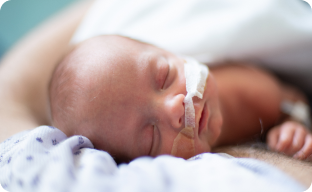


Study Suggests Link Between Blood Type and Premature Birth Risk


Pregnancy often brings more questions than answers. Is this normal? Should I be worried about that? What more can I do to prepare? The good news is that science is constantly uncovering new pieces of the puzzle to help parents and providers better support healthy pregnancies.
A new study out of Imperial College London suggests that a woman’s blood type may play a role in preterm birth risk, giving doctors another clue that could one day help them better support families.
The analysis, published in npj Biofilms and Microbiomes, reviewed more than 74,000 maternity records. Women with blood groups B and O were linked with a higher chance of spontaneous preterm birth, while women with blood group A appeared to have a lower risk. Researchers believe this may be because women with blood group A were more likely to carry Lactobacillus crispatus, a “good” bacterium tied to healthy pregnancies.
“Although we did not establish causation, we have identified a genetic link that can influence the risk of spontaneous premature birth in women," lead researcher Lynne Sykes, PhD, a clinical associate professor at Imperial College London explained. "This could potentially impact women in the future by identifying risk earlier in pregnancy and by offering more tailored interventions.”
The associations also varied depending on medical history. Among women with previous cervical surgery, those with blood group B showed an increased likelihood of preterm delivery. For women with a history of miscarriage or premature birth, blood group O was linked with the highest risk.
Still, the takeaway isn’t cause for alarm but rather hope for more personalized care. “What excites me most is the opportunity this presents for truly personalized medicine in pregnancy,” Sykes said. “The treatments we currently offer to prevent preterm birth have barely changed in decades. This research opens the door to more targeted, biologically-informed interventions.”
The best part? There’s more research coming. A clinical trial launching this fall, funded by March of Dimes, will explore whether probiotic treatment with Lactobacillus crispatus (Lactin-V) could help reduce premature birth risk in high-risk women and whether results differ by blood type.
Please note: The Bump and the materials and information it contains are not intended to, and do not constitute, medical or other health advice or diagnosis and should not be used as such. You should always consult with a qualified physician or health professional about your specific circumstances.


