





























Flu and RSV Cases Reach Record Highs: Here's How to Stay Safe



There are things you hope come early this time of year, Christmas gifts, holiday bonuses and maybe even snow—but what no one was asking for—an early surge in respiratory illnesses. Yet here we are.
An unseasonably high number of respiratory syncytial virus (RSV) cases, along with influenza and other respiratory illnesses like Covid, are putting a strain on hospitals. According to CDC data, over the last two months, RSV cases have tripled, and hospitalized flu cases have hit a 13-year high for this time of year. Below we explain what illnesses are spiking, why cases are up this year and how you can protect your child.
What respiratory illnesses are impacting kids?
The trifecta of respiratory illnesses hitting hospitals early this winter consists of RSV, Covid and the flu. Here’s what you need to know about each of the big three.
- RSV. While anyone can contract RSV, it is especially common among infants and children, with two out of three babies contracting the virus by their first birthday. Many babies recover with no complications, but for some, it can spread to the lungs and cause a more severe infection. In fact, RSV is the leading cause of hospitalization in babies under age 1. While RSV can look remarkably similar to the common cold, check out these key signs and symptoms to look out for.
- Influenza. Babies contract the flu the same way adults do: by coming into contact with influenza viruses when infected people cough, sneeze or talk. It is common for babies to contract the flu, and cases often range from mild to severe. According to the CDC, 2,300 patients were admitted to hospitals last week for the flu, with the highest hospitalization rates among the elderly over 65 and children under 4 years old.
- COVID-19. At this point, many of us are well acquainted with Covid, but despite low case counts, numbers are beginning to rise as immunity wanes. While the virus particularly affects seniors and those with preexisting breathing and heart conditions, it can also severely affect children. Although the Covid vaccine has been available for children for several months now, fewer than one in three children ages 5 to 11 has completed even the primary series of Covid vaccines.
Why are cases so high this year?
Scientists believe that respiratory illness rates are rising as restrictions around covid loosen and fewer people mask and keep their social distance. Some scientists believe that RSV numbers, in particular, are rising as older siblings return to daycare and bring back the germs to different members of the family.
What can I do to protect my child?
There are simple measures you can take to reduce the spread of respiratory illnesses.
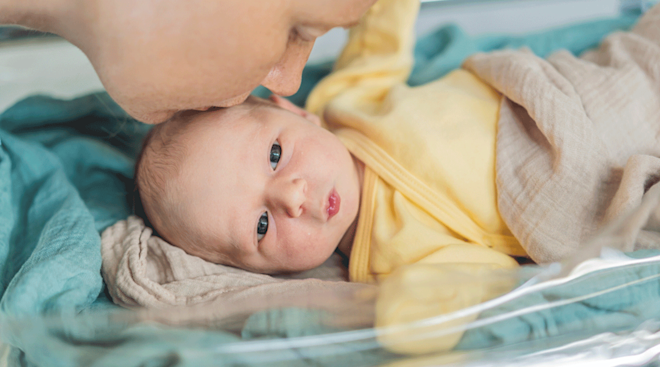
- Keep baby away from people with colds. Even if healthy, doctors urge you not to let people kiss baby as thousands of germs can be transferred this way.
- Do not share cups and utensils. You never know if you might be harboring the virus without showing symptoms.
- Wash hands before touching baby. Encourage others to do the same. It’s hard to tell if you or anyone else has inadvertently touched something infected with the virus.
- Cover coughs and sneezes. Use a tissue (then wash your hands), or cough and sneeze into your sleeve.
- Keep surfaces clean. Wipe down countertops, tables, doorknobs, toys, bedframes and so on, especially if someone at home is sick.
- Keep hands off face. Avoid touching your eyes, nose and mouth, especially if you haven’t washed your hands.
- No smoking in the house. Smoking will only make RSV symptoms worse.
- Keep sick siblings away. If one child develops RSV, a sibling doesn’t necessarily have to get it too. Although it may be hard, separate them whenever one is sick.
- Get vaccinated when possible Although there are no vaccines currently for RSV, children and parents alike are encouraged to get their covid or flu vaccine.
Please note: The Bump and the materials and information it contains are not intended to, and do not constitute, medical or other health advice or diagnosis and should not be used as such. You should always consult with a qualified physician or health professional about your specific circumstances.
Navigate forward to interact with the calendar and select a date. Press the question mark key to get the keyboard shortcuts for changing dates.