




When to Stop Sleeping on Your Back During Pregnancy


I’ve never been a back sleeper, so it wasn’t a huge deal for me to start skipping this no-no sleeping posture in pregnancy. But I do remember feeling dizzy when laying on my back during prenatal yoga or OB appointments—which made it even easier for me to avoid the back position.
If you usually sleep on your back (or stomach) and dread having to switch up your habits while pregnant, you’re not alone. Read on for when to stop sleeping on your back and stomach during pregnancy, which pregnancy sleeping positions are best for you and baby—and how to get the best possible rest with your growing bump.
- When to stop sleeping on your back during pregnancy: You should stop sleeping on your back around the start of the second trimester. By about 13 weeks, your growing uterus can start putting pressure on major blood vessels, which can affect blood flow to you and baby.
- Don’t worry if you wake up on your back. Most pregnant people naturally shift positions when back sleeping becomes uncomfortable, so briefly ending up on your back overnight usually isn’t cause for concern.
- Left-side sleeping gets the gold star. Both side-sleeping positions are considered safe, though the left side may offer the best blood flow to baby.
- When to stop sleeping on your stomach during pregnancy: Stomach sleeping is generally fine early on. But once your bump starts to grow by the second trimester, it becomes less comfortable and experts recommend switching to your side.
- Simple tweaks can make sleep more comfortable. Pregnancy pillows, extra support between your knees or under your belly and good sleep habits can go a long way toward helping you get the rest you need.
You should stop sleeping on your back during pregnancy at the start of your second trimester, which is around 13 weeks, notes the American College of Obstetricians and Gynecologists (ACOG). During the second trimester, the uterus starts becoming large enough to interfere with blood flow, which could compress the inferior vena cava (IVC). The IVC is a large vein that runs up the right side of your spine and carries deoxygenated blood from the lower and middle body to the heart.
Sleeping on your back while pregnant can also constrict the aorta—the main artery carrying blood from the heart to the rest of the body—and block off the main blood supply to your body and placenta. As a result, “Sleeping on your back can decrease the return of blood to the heart, so Mom may wake up feeling short of breath or as though her heart is racing,” says Amelia Henning, CNM, a staff midwife at Massachusetts General Hospital in Boston.
Sleeping on your stomach is fine in early pregnancy—but sooner or later you’ll have to turn over. “Before 12 weeks, you can sleep any way you want,” advises Dr. Sara Twogood, MD, an ob-gyn at Cedars-Sinai Medical Center in Los Angeles. “A lot of women have breast tenderness or sensitivity, so many aren’t comfortable sleeping on their stomachs early on. But it’s just discomfort—it won’t cause any harm.”
Henning agrees, adding that sleeping on your stomach while pregnant is okay until your belly really starts to show, usually between 16 and 18 weeks. After this point, not only does sleeping on your stomach get pretty uncomfortable, but it also becomes unsafe for baby.
Sleeping on your stomach while pregnant can cause your baby bump to move inside your stomach and press against the aorta and IVC. “Sleeping flat on your stomach has the same negative effects as sleeping on your back,” Dr. Twogood adds.

Sleeping on your left side is widely recognized as the best pregnancy sleeping position, according to ACOG. It puts the least amount of pressure on your IVC and maximizes blood flow to baby, explains Dr. G. Thomas Ruiz, MD, lead ob-gyn at MemorialCare Orange Coast Medical Center in Fountain Valley, California.
Sleeping on your right side isn’t thought to be harmful, though. And it can be particularly helpful if you’re struggling with acid reflux in pregnancy, since this sleeping posture encourages food and digestive contents to move out of your stomach more quickly, Dr. Ruiz adds.
The bottom line? “Left is better if you’re able to sleep that way. But there may be some advantages to sleeping on your right side too,” says Dr. Ruiz.
It’s not at all uncommon to fall asleep in a specific position and wake up in a totally different one, so it makes sense that one of the biggest concerns is waking up to find you’re sleeping on your back while pregnant. “I’d sometimes wake up and realize I was on my back and I’d get nervous. But this really does happen to most women,” says Rachel Mitchell, a maternity and pediatric sleep consultant, founder of My Sweet Sleeper and mom of seven in Boston.
So, if you do wake up on your back, try not to stress too much. “You probably weren’t there for very long,” Henning says, since your body adjusts to avoid uncomfortable sleep positions. “If you’re on your back and in the third trimester, it’ll compress the blood flow and make you feel bad quickly, so you’ll wake up and wouldn’t have been lying on your back long enough to compromise the blood flow to baby.”
However, if you continue to wake up on your back (or stomach) and are worried about it, ask your partner to check on you, Dr. Twogood suggests. If they’re awake, they can gently move you back to your side. You should also bring up any concerns to your ob-gyn. They can help you find the optimal pregnancy sleeping positions for your individual circumstances.
If you wake up on your back, try to reposition yourself on the left side and don’t feel guilty. Recognize that was probably baby waking you up to say turn!
While a new pregnancy sleeping position could certainly cause you to lose sleep, real moms are more likely to toss and turn due to pregnancy body aches. We polled our community on social media, and 42 percent said their biggest sleep challenge while pregnant was back, pelvic or hip pain. This was followed by sleep position and frequent peeing (at 25 percent each), and anxiety and vivid pregnancy dreams at 9 percent. In our experience, it’s often a combination of things that disrupts sleep during pregnancy!

You might be asking yourself, “So, how can I sleep during pregnancy?” when the insomnia, anxiety and general discomfort feel like they’re out to get you. Thankfully, there are some expert tips that’ll make snoozing much easier.
Taking a warm bath, drinking a cup of chamomile tea and practicing relaxation techniques are helpful tools promoting a good night’s sleep.
- Get a pregnancy pillow. “I fully recommend getting a pregnancy body pillow and getting it early,” Dr. Twogood says. “You want to optimize its use during pregnancy, playing with its positions and [exploring] how it can support you best.” A pregnancy pillow can help with comfort, positioning and more.
Some moms find that not all pregnancy pillows are created equal, so you might need to experiment a bit to find the option that works best for you. “I found that a U-shaped pregnancy pillow was much more supportive and helped keep me on my side compared to a C-shaped pillow since it allowed for me to switch sides without having to rotate it,” says Aarani M., a mom of two in Arlington, Virginia.
If you still can’t comfortably make the switch to your side, you can also use pillows to prop yourself into an incline.
-
Bend your knees. If you’re suffering from hip, leg or back pain during pregnancy, try bending your knees, ACOG recommends. You can also try placing a pillow under your legs, between your knees or under your belly for added support. “I much preferred a simple wedge pillow that I propped under my belly when lying on my side, and having another special between-the-knees pillow to alleviate some pressure there,” says Elizabeth B., a mom of two in New York City.
-
Make sure you’re covering the good-sleep basics. You may find it easier to fall asleep in a new pregnancy sleeping position if your body has already been primed for rest with good sleep hygiene. The Centers for Disease Control and Prevention (CDC) recommends limiting caffeine intake and screen time before bed; keeping a regular sleep schedule; and finding ways to relax and ease stress.
-
Have dinner on the early side. If acid reflux is adding to your sleep issues these days, try to avoid eating within three hours of going to sleep. “My rule is no eating past 7 p.m. I find it’s even harder to sleep when I’m digesting from eating later in the evening,” says Lauren S., a mom-to-be in San Diego.
Steer clear of foods that seem to trigger your symptoms too. Spicy foods, greasy or fried foods, tomato sauce, chocolate, peppermint and carbonated drinks are common culprits.
-
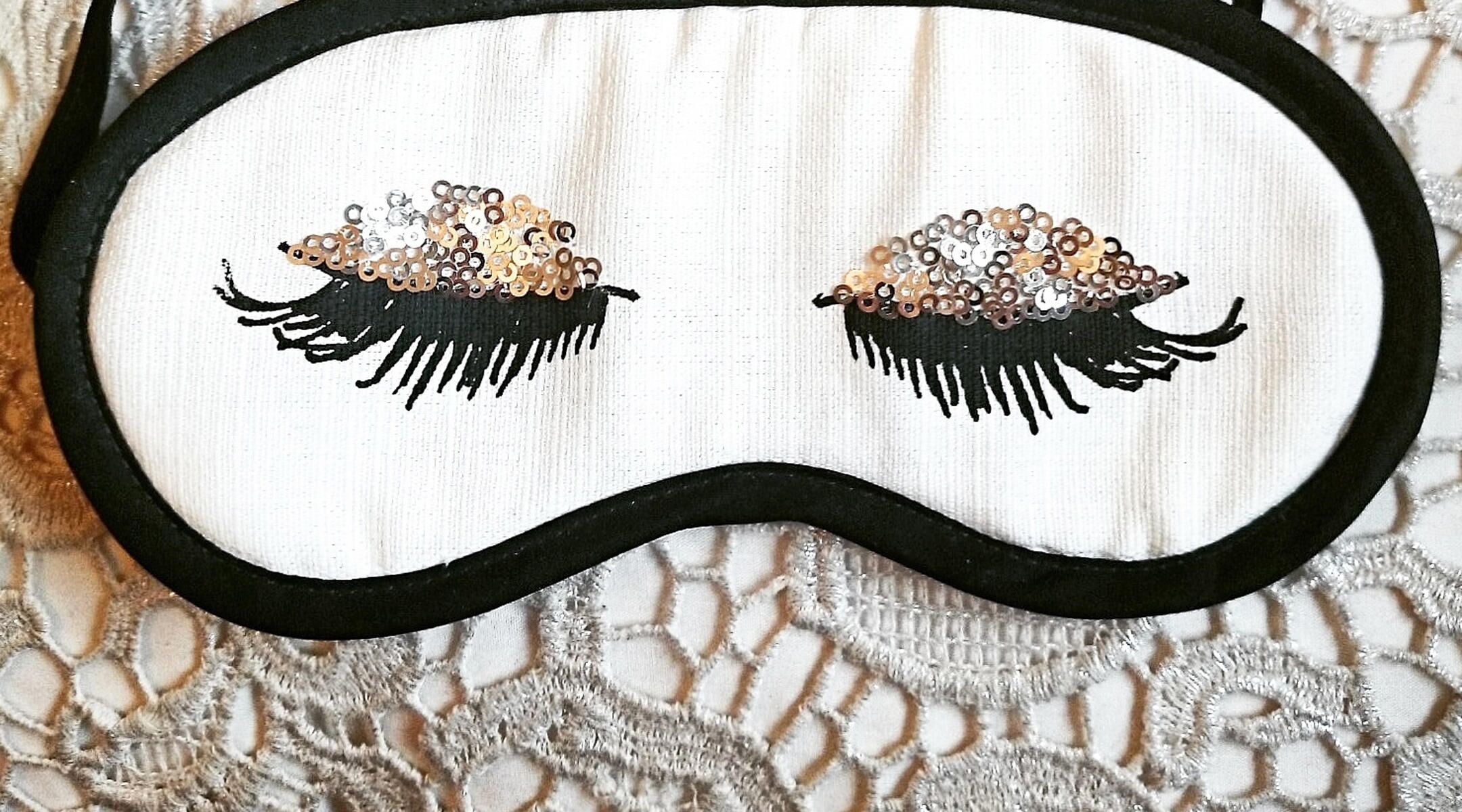
Keep your room cool, dark, and quiet. Set the temperature between 65 and 68 degrees whenever possible, close the shades or wear an eye mask, and run a white noise machine or a fan to drown out distracting noises that might be going on outside.
-
Practice gentle movement. “What worked for me was practicing low-intensity prenatal yoga before going to bed. An hour of easy stretching calms down my back and hips, helping me to fall asleep,” says Echo W., a mom of one in Toronto.
-
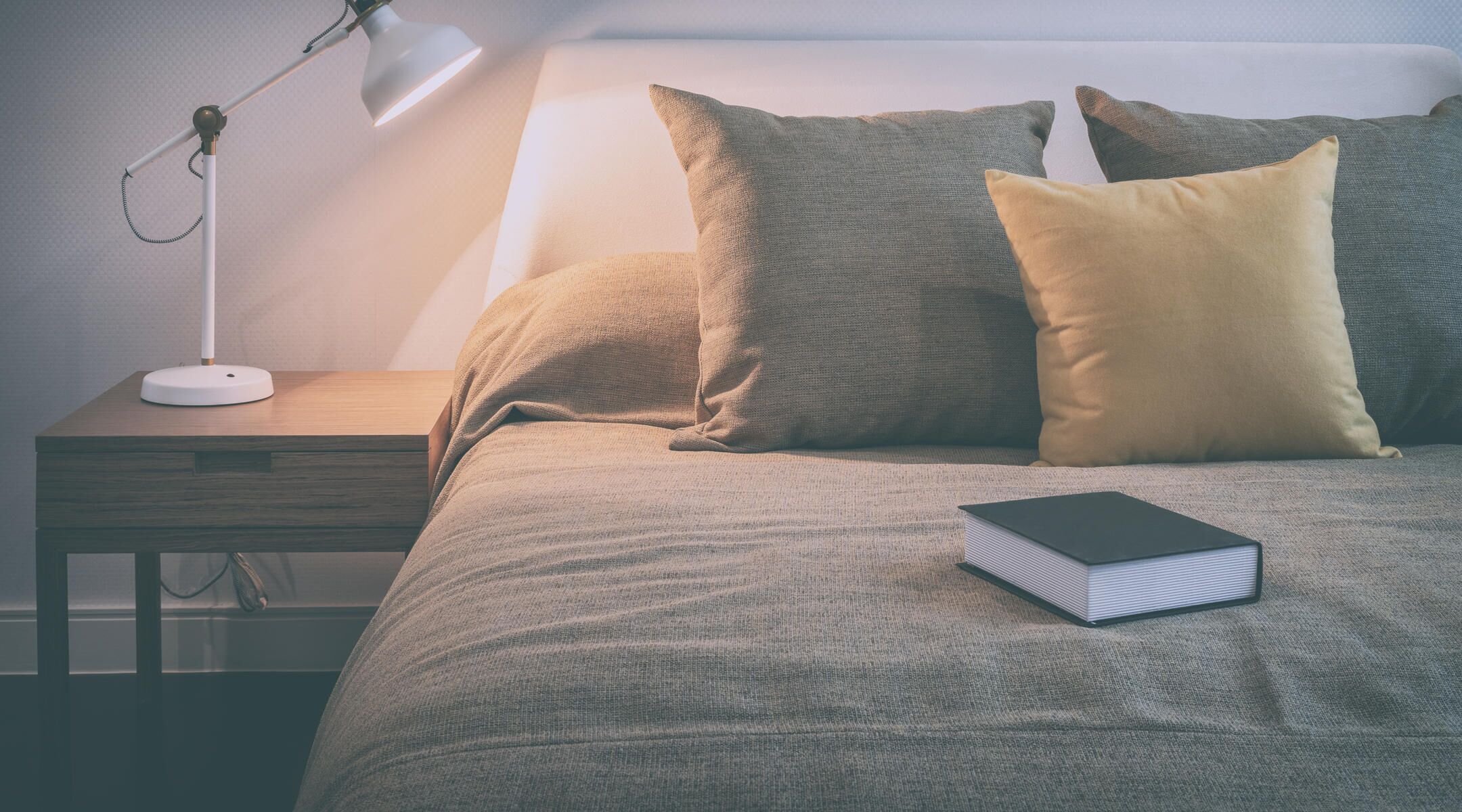
Have a go-to way for dealing with midnight wakeups. Between the physical discomfort and all the stuff that’s probably running through your brain these days, there’s a pretty good chance that you might wake up in the middle of the night and have trouble falling back asleep. Instead of letting your mind wander too far (or grabbing your phone), consider keeping a book on your nightstand that you can dip into instead. “I had a lot of insomnia in my first trimester, and reading got me through it,” shares Allison S., a mom of one in Westchester, New York.
-
Go easy on yourself. If you’re uncomfortable, you may need some extra pillows—or to do some stretches—to ease your discomfort, says Dr. Christine Greves, MD, an ob-gyn at the Winnie Palmer Hospital for Women & Babies in Orlando. “Try to find comfortable positions and give yourself grace.”
Eventually I accepted that I wasn’t going to sleep as soundly as I previously had, so instead of being angry I’d just remind myself that this was part of the process and that I could take a nap later in the day if I needed to.
- Figure out how to stay on your side. Keep starting out on your side—and ending up in a different position halfway through the night? Strategically placed pillows can be a godsend, say lifelong back and stomach sleepers who’ve had to make changes during their pregnancies.
“In the first two trimesters, I had a wedge pillow that helped remind me to stay on my side and supported my belly. In the last trimester, I invested in a U-shaped pregnancy pillow, and that was helpful for supporting by belly and also keeping me on my side,” says Allison.
It may be challenging to change the sleeping positions you’ve found comfortable, but it is possible—and your body may naturally adapt to more restful pregnancy sleeping positions as your bump grows.
Frequently Asked Questions
When should you stop sleeping on your stomach in pregnancy?
It’s fine to sleep on your stomach early on in pregnancy, but you should switch to your side by your second trimester as your bump starts to grow. Stomach-sleeping can cause your bump to press against the aorta and IVC, potentially blocking blood flow to baby.
Can you sleep on your side while pregnant?
Not only can you sleep on your side when you’re pregnant—during your second and third trimesters, you should. Side-sleeping sidesteps the potential risks associated with snoozing on your back or your stomach, so it’s generally considered the safest (and most comfortable) choice, says ACOG. Staying on your left side as much as possible is best, since it delivers the maximum amount of blood to baby.
What sleeping position should be avoided during pregnancy?
You can sleep in any position that feels comfortable during your first trimester. But you should avoid sleeping on your back or stomach during the second and third trimesters of pregnancy. Both positions can put pressure on your IVC and your aorta, which can block blood flow to baby and cause discomfort for you.
Should I be using a pregnancy pillow while sleeping during pregnancy?
Many pregnant women find that a pregnancy pillow offers more support to help them sleep comfortably, especially as their bump gets bigger. A pregnancy pillow can also help keep you on your side if you’re prone to rolling onto your back or stomach during the night.
That said, pregnancy pillows aren’t a must. You can get similar benefits by tucking regular pillows anywhere you need support—like under your belly, between your knees or behind your back (to help you avoid rolling over).
Why can’t I sleep on my right side while pregnant?
Experts used to say that sleeping on your right side during pregnancy could potentially block blood flow to baby, similar to sleeping on your stomach or your back. Newer research shows that this isn’t the case, and that sleeping on your right side isn’t any riskier than sleeping on your left side. Some experts still say that the left side is ideal due to better blood flow. So, pick the side you prefer or move from one to the other throughout the night.
How can I comfortably sleep on my side with symphysis pubis dysfunction?
Symphysis pubis dysfunction (SPD) is a common pregnancy condition that can cause discomfort, pain or a feeling of wobbliness in your pelvic region. It’s caused by an uptick in the hormone relaxin, which makes your joints and ligaments looser and more flexible to help your body prepare to give birth vaginally.
Lots of everyday movements can make your SPD feel worse, including laying on your side when you’re in bed. But sleeping with a large pillow between your legs—ideally, one that runs from your knees down to your ankles—can help, experts say. The pillow helps to keep your legs level and prevents your top leg from dipping down, placing less stress on your pubic joints and making you more comfortable.
How long can you lay on your back when pregnant?
There are no magic numbers here, but in general, most women in their second and third trimesters find that they can only tolerate laying on their backs for short periods. So if you’re on your back, listen to your body. Once your IVC starts to become compressed, you may start to notice symptoms like shortness of breath, and feel an urge to change positions, Dr. Ruiz says.
Is it okay to lay on my back for an ultrasound or exercise?
It’s fine to lay on your back for a few minutes if you need to. Just pay attention to your body and switch positions if you start to get uncomfortable, including during a doctor’s appointment, Dr. Ruiz says. Simply elevating your head by 30 to 45 degrees can take the pressure off of your IVC and help you feel more comfortable.
By the start of your second trimester, you’ll need to start sleeping on your side—as sleeping on your back or stomach’s no longer considered safe. This is easier said than done—but don’t lose hope! Trust that your body will naturally find new pregnancy sleeping positions that feel comfortable with your growing bump. And for any questions and concerns, don’t hesitate to reach out to your provider. They’ll help you get the resources you need to start getting more restful shuteye.
If you’re wondering when to stop sleeping on your back during pregnancy, you’re not alone—lots of moms-to-be have the same question. To learn about the best pregnancy sleeping positions, we spoke with four ob-gyns, a nurse-midwife and a maternity and pediatric sleep consultant. We also asked several moms and moms-to-be how they stayed comfortable while trying to get some sleep during pregnancy. We also consulted sources such as Cleveland Clinic and the American College of Obstetricians and Gynecologists (ACOG).
After editing, this article was vetted through fact-check and reviewed by our ob-gyn medical adviser. Learn more about how we ensure the accuracy of our content through our editorial and medical review process.
About the author: Marygrace Taylor is an award-winning pregnancy and parenting writer and a mom of one based in Philadelphia. She’s never been a back sleeper—so she was just fine with the pregnancy sleeping position rules. However, she loves supporting other moms and moms-to-be by providing the latest information and research, as well as her own experiences.
Please note: The Bump and the materials and information it contains are not intended to, and do not constitute, medical or other health advice or diagnosis and should not be used as such. You should always consult with a qualified physician or health professional about your specific circumstances.
Plus, more from The Bump:
Dr. Christine Greves, MD, FACOG, is an ob-gyn at the Winnie Palmer Hospital for Women & Babies in Orlando. She received her medical degree from the University of South Florida College of Medicine.
Amelia Henning, CNM, MSN, IBCLC, is a staff nurse-midwife at Massachusetts General Hospital in Boston, the director of the Mass General Lactation Program and a teaching associate with Harvard Medical School. She earned her bachelor’s degree from Wheaton College and completed her midwifery education at the University of Pennsylvania.
Rachel Mitchell is a Boston-based certified maternity and pediatric sleep consultant, former night nanny and mom of seven. She’s the founder of My Sweet Sleeper, a team of maternity and pediatric sleep specialists that help growing families get some much needed shut-eye, as well as the founder of Sweet Sleep Academy, a pediatric sleep consultant certification program.
Dr. Sherry Ross, MD, is an ob-gyn and women’s health expert at Providence Saint John’s Health Center in Santa Monica, California. She’s the author of She-ology: The Definitive Guide to Women’s Intimate Health. Period. and She-ology, the She-quel: Let's Continue the Conversation. She’s also the co-founder of Oneself Intimate Skin Care and the Women's Health & Wellness School on the MprooV app. She received her medical degree from New York Medical College.
Dr. G. Thomas Ruiz, MD, is lead ob-gyn at MemorialCare Orange Coast Medical Center in Fountain Valley, California. He earned his medical degree from UC Irvine School of Medicine in California.
Dr. Sara Twogood, MD, FACOG, is a board-certified ob-gyn at Cedars-Sinai Hospital in Los Angeles and co-founder of Female Health Education. She also the author of Ladypartsblog.com, which covers topics relating to fertility and pregnancy, and the founder of FemEd, a program designed to empower females through health education.
American Pregnancy Association, Best Sleeping Positions During Pregnancy
Sleep Foundation, Pregnancy Sleep Positions, November 2022
Sleep Foundation, Best Sleeping Positions,, October 2023
Cleveland Clinic, Vena Cava, March 2022
The American College of Obstetricians and Gynecologists, Back Pain During Pregnancy, December 2021
Centers for Disease Control and Prevention, Tips for Better Sleep, September 2022
Real-parent perspectives:
- Aarani M., mom of two in Arlington, Virginia
- Allison S., mom of one in Westchester, New York
- Echo W., mom of one in Toronto
- Elizabeth B., mom of two in New York City
- Lauren S., mom-to-be in San Diego
Learn how we ensure the accuracy of our content through our editorial and medical review process.
Target Baby Registry
Free $100+ Value Welcome KitFree $100+ Value Welcome Kit
15% Completion Discount15% Completion Discount
Free 1-Year ReturnsFree 1-Year Returns
20+ Exclusive 20% Off
Deals For Mom & Baby20+ Exclusive 20% Off Deals For Mom & Baby1:1 Concierge With
Baby Gear Specialists1:1 Concierge With Baby Gear Specialists

*Subject to availability and Retailer's terms.
We earn commissions from these links.