

























What to Do When Baby Has FOMO

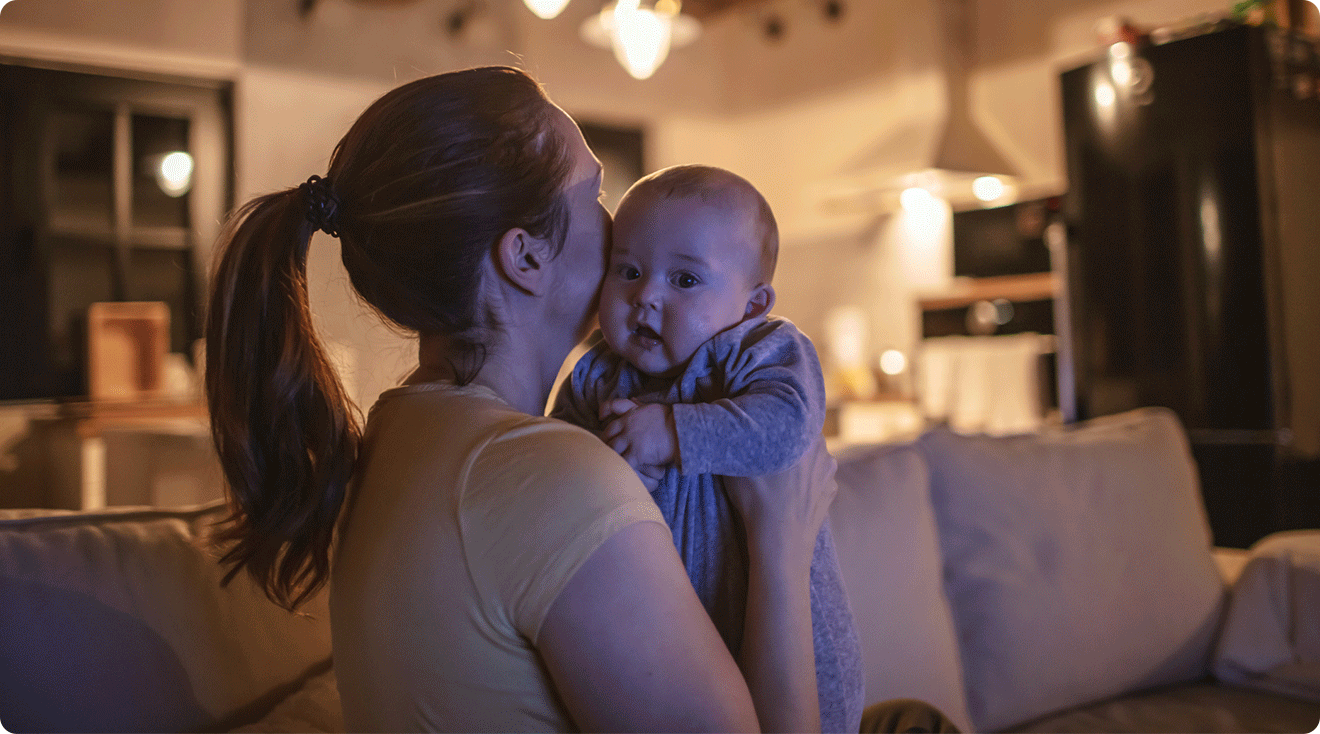

Think your FOMO is bad? Try being a baby who just discovered Mom isn’t actually napping during “naptime”—or a toddler facing the injustice of a bedtime that’s an hour earlier than their big sibling’s. These little ones are convinced something magical happens the moment their eyes close, and they’re determined not to miss a second of it. Truth time, dear FOMO baby: That epic party you think you’re missing is just us, folding laundry and scrolling through social media. That’s it. That’s the whole show.
Does your baby fight sleep like they’re convinced they’re missing life’s greatest moments? Welcome to the FOMO baby club. (And, don’t worry, we’re here to help!) Here’s how to get your adventure-seeker the rest they need.
FOMO—that nagging fear of missing out—isn’t just for adults checking their social feeds. Babies have their own powerful version, fueled by pure wonder at the world around them. Baby FOMO is all about the endless possibilities unfolding right before their eyes. Every sibling’s laugh, every dog bark, every cabinet’s creak could be the start of something amazing. No wonder these tiny adventurers fight sleep so fiercely—who wants to press pause when life is so fascinating?
“My daughter had FOMO from moment one,” says sleep coach Macall Gordon, co-author of Why Won’t You SLEEP?! “I remember the nurse wheeling her into me in the hospital bassinet and her eyes were focused like little laser beams. I thought, ‘That’s not normal, is it? Aren’t they supposed to be a little out of it?’ She just never looked tired—ever.”
Jess N., a mom of two, sees this same determination in her 8-month-old: “He’s been known to twist himself into all kinds of weird contortionist positions just to see what’s going on—all while somehow keeping his bottle in his mouth.” One time, during big brother’s storytime, the Salt Lake City mom really got to see her baby’s FOMO in action: “He struggled so hard to stay awake, making sure he heard every word we were reading. After I’d put my older son to bed, it took less than 10 seconds before my FOMO baby was snoring in my arms. He was seriously determined not to miss a thing.”
That eyes-wide-open vigilance is a hallmark of FOMO babies. “They’re extremely alert and curious,” explains Nicole Johnson, founder and lead pediatric sleep consultant at The Baby Sleep Site. These little ones seem to have an internal alarm for interesting moments—which, to them, is pretty much always.
Take my firstborn, the world champ of fighting intense head-nods, even in the car. While the rhythmic bumps and whirl of roadway white noise knocked me out in an instant, my FOMO baby remained on high alert, no matter how long the ride or how exhausted he was. Can’t miss a potential fire truck, after all.
“All babies experience some level of FOMO, but certain developmental stages can turn that natural curiosity into a major sleep challenge,” says child sleep consultant, Jessica Berk, founder and CEO of Awesome Little Sleepers. And, for some, FOMO is simply part of who they are. “It’s a temperament trait,” says Gordon. “Having a FOMO personality can be a big asset—and a big challenge. These children do more and need more from parents all day long. It’s amazing—and it’s a lot.”
Whether baby FOMO is developmental or temperamental, the first big FOMO surge typically hits around 4 to 6 months. “This is when babies start to develop object permanence,” says Kellie Allen, MSN, APRN, a board-certified pediatric nurse practitioner at Bluebird Kids Health. “They’re starting to understand that objects—and people—still exist even when out of sight—and that understanding really intensifies between 8 to 12 months.”
The sleep challenges grow with your child. Around age 3, two major factors often collide: peak FOMO and the transition from crib to toddler bed. “This combination can create the perfect storm of sleep issues,” says Berk. “Children are catching on that parents and siblings get to stay awake later, they’re curious about what’s happening outside their room, and now they’re free and unconfined by the crib. Plus, they get craftier and more creative at asserting their FOMO as they get older.”
Cut to my FOMO kiddo, stealthy exiting his toddler bed nightly only to—poof!—magically appear in the living room sweetly asking what we’re doing and if he could hang out for a bit. As Berk explains, “you see lots of curtain calls where kids come out asking for more hugs, water and books over and over again. This is their way of trying to stay in the action—to not miss out on anything and get some more attention from you.”
When standard sleep strategies fall short, these targeted approaches can help your FOMO baby or toddler rest:
Watch the clock, not the cues
I spent months trying to catch my son’s sleepy signals before realizing they simply didn’t exist. Every time I thought I spotted those big brown eyes taking extra long blinks, he’d spring back into action, like he’d secretly downed an espresso. Why? “Because of the FOMO, engaged, alert little ones have terrible or non-existent sleepy signals. They almost never seem drowsy,” explains Gordon.
Instead of chasing elusive tired signs, success lies in understanding their unique timing. “Since FOMO babies and toddlers take in so much around them, they may become overstimulated and tired sooner than other children, which means they often have shorter wake windows,” says Johnson. “You need to put them down earlier, so they won’t be overtired and will be more cooperative.”
Move bedtime earlier
Once you understand your FOMO baby’s shorter wake windows, you’ll see why timing is crucial. Miss that sleep sweet spot, and you’re in for a challenge. “When kids chronically don’t get enough sleep or they miss their ideal bedtime, they get a rush of stress hormones that gives them a second wind,” says Berk. She suggests an early bedtime—before 8 p.m.—to prevent this cascade. She adds, “A calm FOMO kid is easier to get to bed than one who is bouncing off the walls with adrenaline… So if you see your child get hyper or really clingy in the evenings, look at the clock and start bedtime 20 minutes earlier the next night.” And don’t be afraid to adjust your whole routine earlier too. I learned to begin our bedtime wind-down a full hour before I wanted my son actually sleeping—and on tough days, sometimes even earlier than that.
Create a sleep-inducing space
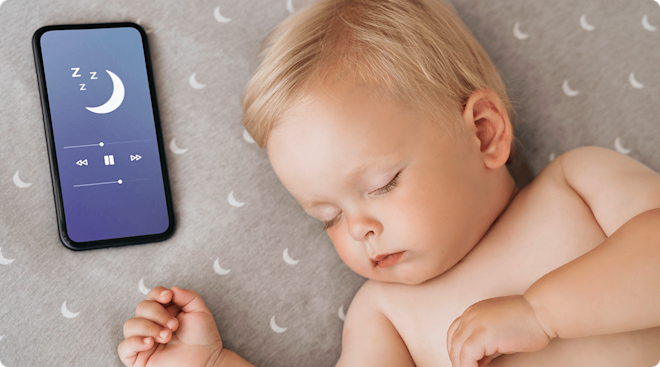
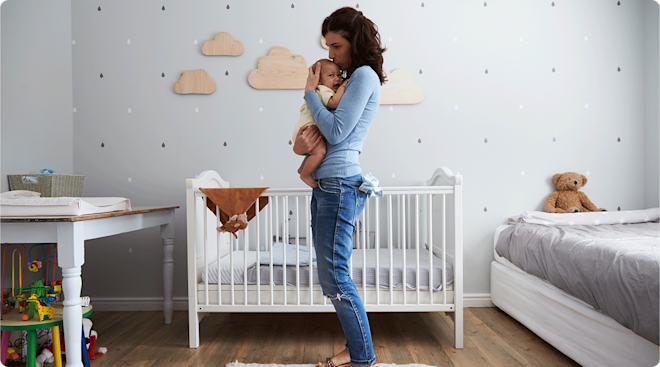
FOMO babies are searching for excitement around every corner, which is why their sleep space needs to be as boring as humanly possible. “Creating an environment that limits stimulation helps FOMO babies and toddlers get into deeper sleep,” says Johnson. “That means minimal toys, blackout curtains, white noise—and nothing that might grab their attention, such as an interesting mobile—especially those with lights. It’s even a good idea to paint their room soft, neutral colors instead of bright patterns.”
For Utah mom Jess N., managing a FOMO baby with a toddler at home required creative solutions: “I’ve had to turn the sound machine up to what feels like full blast just to block out any possible background noise. Moving him from our room to his own nursery has helped too—there’s less chance of an interruption to his napping.”
Build a consistent routine
“FOMO babies and toddlers find predictable routines very helpful,” says Johnson, but it’s more than just providing a mental roadmap. “Being super diligent with the schedules actually helps FOMO kids’ bodies know what to expect,” says Berk, naturally priming them for sleep.
“Structure their bedtime routine in terms of the few things that happen and the order they occur,” says Berk. “An example could be brushing teeth, putting on PJs, reading two books, singing two songs, snuggles and then lights out. The books and songs can change each night, but the steps should be very consistent.”
Flip the bedtime script
While a consistent bedtime is important, following a cookie-cutter routine is not. “Really ask yourself if some of the usual bedtime strategies are working for you,” advises Gordon. “For example, does a colorful picture book actually help settle them down or rile them up? Is a bath calming or activating? The bath one really surprises parents because everyone does the bedtime bath. But, alert, sensitive children sometimes get energized by water.”
The key is customization. Try swapping books for classical music or evening baths for afternoon ones.
Rethink soothing strategies
Classic soothing strategies like nursing, rocking or patting baby can backfire. “They associate these activities with falling asleep and ‘missing out,’ therefore, they start to resist these soothing acts,” explains Johnson. “Their brains are wired to stay engaged, so instead of calming down, they might get more stimulated by what would typically be considered a soothing activity.” However, swaddling often succeeds where other methods fail. Research shows the snug pressure helps babies achieve deeper sleep with fewer disruptions. Just be sure to stop swaddling before your baby starts rolling.
Reimagine “self-soothing”
For FOMO kids, self-soothing isn’t an independent endeavor. They need your help. “Self-soothing only happens when distress is manageable. And for intense, FOMO kids, distress gets unmanageable pretty fast,” says Gordon. She advises against leaving your upset child to learn self-soothing alone. But here’s the good news: You won’t be trapped in their room forever, coaxing them to sleep. As Gordon suggests, “Stay, but don’t do all the work for them.”
“Remain, but over time, slowly taper off what you do to soothe and then start moving away from the crib or bed,” she says. “For these alert, sensitive little ones, your presence can help them stay in a manageable zone and then you help them need less and less of you over time.”
“Understanding the silver lining of a FOMO child can help parents cope with the bedtime challenges,” says Gordon. When your baby’s fierce curiosity makes bedtime tough, remember it’s also a sign of an engaged, enthusiastic little one who’s already falling in love with life. My former FOMO baby is now a teenager and stays up later than me. I’m happy to report that his curiosity about the world—and about what the grownups do and talk about—remains. He’s the kid who asks me about my day and easily joins in a chat when my friends come over, and I wouldn’t have it any other way.
Please note: The Bump and the materials and information it contains are not intended to, and do not constitute, medical or other health advice or diagnosis and should not be used as such. You should always consult with a qualified physician or health professional about your specific circumstances.
Plus, more from The Bump:
Kellie Allen, MSN, APRN, is a board-certified pediatric nurse practitioner at Bluebird Kids Health.
Jessica Berk is the founder and CEO of Awesome Little Sleepers.
Macall Gordon, MA, is the co-author of Why Won’t You SLEEP?.
Nicole Johnson is founder and lead pediatric sleep consultant at The Baby Sleep Site.
Frontiers in Pediatrics, [The effect of swaddling on infant sleep and arousal: A systematic review and narrative synthesis]](https://pmc.ncbi.nlm.nih.gov/articles/PMC9748185/),,) November 2022
Learn how we ensure the accuracy of our content through our editorial and medical review process.
Target Baby Registry
Free $100+ Value Welcome KitFree $100+ Value Welcome Kit
15% Completion Discount15% Completion Discount
Free 1-Year ReturnsFree 1-Year Returns
20+ Exclusive 20% Off
Deals For Mom & Baby20+ Exclusive 20% Off Deals For Mom & Baby1:1 Concierge With
Baby Gear Specialists1:1 Concierge With Baby Gear Specialists

*Subject to availability and Retailer's terms.
We earn commissions from these links.