




Baby Poop Decoded: Colors, Textures and What’s Normal by Age


During the first few months of my son’s life, baby poop was always at the forefront of my mind. One big question I had when midnight-Googling? How often should a newborn poop? (It just felt like so much!) I learned that, thankfully, up to 10 times a day is normal, especially for a breastfed baby—and, yes, mustard-colored and seedy is also par for the course.
Baby’s poop—the color, consistency and amount—can provide important clues into your infant’s health, says Dr. Wendy Sue Swanson, MD, a pediatrician and adjunct professor of medicine at Stanford School of Medicine.
So what’s considered normal baby poop—and when should you be concerned? Whether you need help decoding baby poop colors or are curious about baby’s poop consistency, we’ll help you sort it all out with our comprehensive poop guide for babies.
- Baby poop covers a huge “normal” range—color, consistency, and frequency all vary by age and whether baby is breastfed, formula-fed or eating solids.
- Most poop colors are nothing to worry about, but white, gray, red or black poop should prompt a call to the pediatrician.
- How often babies poop varies widely too—from multiple times a day to once a week—as long as baby is gaining weight and seems comfortable.
- Simple at-home tricks like bicycle legs, a warm bath or offering water can help occasional constipation, but persistent issues need a doctor’s input.
When it comes to baby poop, there’s a whole spectrum of what’s considered normal—and there are a lot of factors that can contribute to color, consistency and frequency. Below, see what’s considered the norm for different types of baby poop.
If you're not prepared for it, that first poop will totally knock your new-parent socks off. It's not the regular old poopy diaper you changed as a babysitter. It's like wiping tar off of baby's delicate skin.

Baby’s first poop
Baby’s first poop is called meconium. Here’s what to know about it:
- Color: Darkish green-black
- Consistency: Sticky
- What to know: Baby’s first poop is made up of everything baby ingested in utero, including amniotic fluid, skin cells and water. Typically, baby should pass their first meconium within 24 to 48 hours of birth. A newborn’s poop should progressively get looser and lighter in color. If it doesn’t, or if baby isn’t consistently pooping in the first few days of life, it could be a sign that they’re not getting proper nutrition and need a follow-up visit with the pediatrician, says Dr. Swanson.
- How often should a newborn poop? There’s a wide variety of “normal” when it comes to how often baby should poop. In the first four to six weeks of life, regardless of whether your infant is breastfed or formula-fed, you should expect your newborn to poop after nearly every feeding, Dr. Swanson says.
After six weeks, as baby’s digestive tract develops, their poop habits may change. So how often should a newborn poop? It depends—see ahead.
I exclusively breastfeed and my son’s poop ranges from orange to yellow to green. I can’t say it’s any one of those more than another. It varies from day to day, poop to poop!

Normal breastfed baby poop
Breastfed baby poop tends to be thinner than that of formula-fed babies. Here’s what to expect.
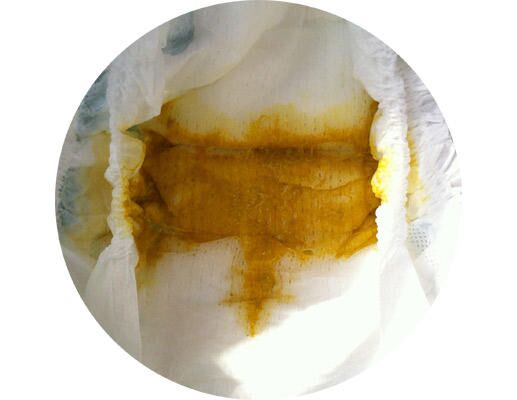
- Color: Mustard yellow, although it can vary
- Consistency: Seedy, runny
- What to know: Breastfed babies typically poop more often than formula-fed babies in their first few weeks of life.
- How often should a breastfed baby poop? After their first few weeks of life, some breastfed babies still poop multiple times a day while others may poop once every two to seven days. As long as baby’s continuing to gain weight appropriately, this is normal.
Our daughter poops a ridiculous amount (in my opinion). I must say, I'm kind of envious of those babies that only go a couple times a day. She had the biggest poop of her life at 3am and it went all over her magic sleepsuit.

Normal formula-fed baby poop
Formula-fed babies tend to have poop that’s a bit darker and firmer than breastfed baby poop.
- Color: Ranges from yellow to greenish-brown or tan
- Consistency: Consistency of hummus, toothpaste or peanut butter
- What to know: Formula-fed babies will likely poop at least once a day; if they don’t poop for two or more days, it could signal constipation.
- How often should a formula-fed baby poop? Formula-fed babies typically poop at least once a day, although skipping a day or two can happen.
Now that we’re doing solid food they are like ‘normal’ poop consistency and they now smell like normal poop too. Never thought I would be so in tuned with anyone's pooping habits in my life…ah motherhood!

Normal baby poop when starting solids
A little one who’s eating solid foods starts having more solid poops.
- Color: Common baby poop colors include brown, dark green, orange or yellow. Don’t be alarmed if baby’s poop is red when they’ve recently had something like tomatoes.
- Consistency: Thickens from liquid or seed-like to paste-like, peanut butter-like or soft clay. Baby poop becomes denser and formable.
- What to know: Baby often poops less often, ranging from several times a day to once every few days. The smell might also become stronger!
- How often should a baby eating solids poop? After baby starts solids, they can poop anywhere from one to three times per day to once every one to three days. Because solid food bulks up the stool and slows down digestion, many babies naturally poop less often than they did when they were exclusively on breast milk or formula.
Sometimes it’s orange-colored like squash, and other times more yellow-green—like pea-soup colored. I'm not really concerned, my daughter is gaining weight like crazy and has appropriate pees and poops!
Baby poop comes in quite an array of colors. While the vast majority of baby poop colors are perfectly normal, pediatricians agree it’s smart to keep tabs on what you see. If you spot something unusual, bag up the diaper and bring it along to your appointment—it can help a doctor make an assessment.
Green baby poop
- Is it normal? With formula-fed infants, it’s normal for baby poop to be a greenish-tan color.
- Why it happens: Sometimes the iron in baby formula can cause dark green baby poop; this isn’t a reason for concern. Green baby poop might also signal teething or that baby is getting over a stomach bug. For a breastfed baby, green baby poop might mean something else. “Bright green baby poop in a breastfed infant, especially if it’s frothy, may mean they’re getting too much foremilk and not enough of the fattier hindmilk,” Dr. Swanson says. Try keeping baby on one breast per feeding or hand-express a bit of milk before letting them latch and see if this solves the problem.
- Red flags: If baby has green poop and is also fussy at feedings or seems gassy and uncomfortable, it could be a sign they have a cow’s milk allergy and are reacting to the formula, Dr. Swanson says, which means you should consult your doctor about other options.
White baby poop
- Is it normal? Whether baby’s being breastfed or formula-fed, chalky, whitish or gray baby poop definitely warrants a call to the pediatrician, especially if the baby looks jaundiced or yellow.
- Why it happens: White baby poop can be a sign the liver isn’t functioning the way it should be.
Orange baby poop
- Is it normal? Orange poop generally doesn’t indicate a problem, but if you’re worried, call your pediatrician, Dr. Swanson says.
- Why it happens: Many of baby’s first solid foods can result in orange-colored baby poop (think: carrots and sweet potatoes). A breastfed baby may also have orange-ish tinted stool if Mom has been on medication or been eating artificially colored foods, since the dyes may make their way into breast milk.
Red baby poop
- Is it normal? Sometimes—it depends on the cause.
- Why it happens: If you’re breastfeeding, there might be tiny amounts of blood baby swallowed from cracks in your nipple, and these would show up as maroon or black specks in the baby’s poop. Red flecks might also appear if baby has developed a food allergy or if they’re constipated and straining too hard to poop, causing an anal fissure. If you’re just starting baby on table foods, you may have to play diet detective to suss out any food culprits.
- Red flags: Stools that look genuinely bloody or are bright red may indicate an infection, allergy, GI injury or other medical concern and should be addressed immediately, especially if accompanied by fever, vomiting, irritability or abdominal pain. Flecks of red might not be a big deal, but still warrant a call to the pediatrician.
Black baby poop
- Is it normal? Sometimes—it depends on why it’s happening.
- Why it happens: If a newborn’s poop is still looking black by day three, it may be a sign they’re not getting adequate nutrition or digesting milk the way they should. If you see black poop when baby’s a bit older, it could be caused by iron in their supplement or formula, which is no big deal.
- Red flags: If baby isn’t taking an iron supplement and the poop looks black—and you ruled out any recent dark-colored food ingestion—it could be a sign of GI tract bleeding and should be seen by a doctor. Blood turns from red to black as it travels through baby’s intestines, says Dr. Madhavi Kapoor, MD, a pediatrician in Livingston, New Jersey.
Yellow baby poop
Is it normal? Mustard yellow is a normal baby poop color for both breastfed and formula-fed infants. Why it happens: Yellow poop is the norm, but if baby’s stool is bright yellow, the color change could be a result of medications or food eaten by Mom or baby.
Gray baby poop
Is it normal? Sometimes—it depends. Why it happens: If baby is eating solids, poop may be gray depending on what your child ate, Dr. Swanson says. Red flags: If baby hasn’t yet started table food, then it’s important to assess, as it could indicate a liver or gallbladder problem.
Our baby's poop has never been what I would describe as yellow. It's been brown, orange, green and maybe a little yellowish but not strictly yellow…and our doctor and lactation consultant has told us that all of it is totally normal. Baby poop is supposed to be loose and wet like diarrhea so I wouldn't be concerned about that part.
From green baby poop to red, orange, black and beyond, here’s a visual recap of what each baby poop color could mean:

While it’s normal to get a teeny bit less obsessive over every single diaper change as baby grows, it’s still important to keep an eye out for potential problems and warning signs. While some odd consistencies may have a simple explanation (hello, raisins!), others may need to be discussed with your doctor. Here are some types of baby poop to watch out for:
Mucus in baby’s poop
- Is it normal? Yes, occasional and small amounts of mucus in baby’s poop are normal and very common.
- Why it happens: Mucus can appear when baby has a cold or is teething, due to swallowing excess saliva. It can also occur with digestive changes such as starting solids, as well as food intolerances or allergies.
- Red flags: “If you notice it frequently or in large amounts, it could be a sign of a GI tract issue and should be discussed with your pediatrician,” Dr. Kapoor says.
Foamy baby poop
- Is it normal? An occasional foamy or frothy diaper is relatively common and usually harmless.
- Why it happens: “In a breastfed infant, foamy stool may be a sign that baby is getting too much foremilk,” Dr. Kapoor says. For an easy solution, try completing a feeding on just one breast. In a formula-fed baby, frothy baby poop could indicate an infection or allergy, especially if accompanied by other symptoms. It could also indicate that baby has swallowed excess air (for example, when drinking too fast from a bottle) and may be gassy.
- Red flags: If the foamy baby poop continues for two or three days and baby is in pain, showing signs of dehydration or has a fever, check in with your pediatrician.
Pebble-like stool
- Is it normal? Pebble-like stool in baby is a sign of constipation, which is important to treat. Try some home constipation cures and go to the doctor if baby doesn’t poop within the next 24 hours.
- Why it happens: “Log- or pellet-like shapes could indicate constipation,” Dr. Swanson says. It’s important to address this with your pediatrician, since it could be a sign that it’s time to try another brand of baby formula. It could also happen when baby’s starting solids.
- Red flags: Baby hasn’t pooped for a few days, baby’s vomiting or refusing to eat, baby’s stomach feels tight or baby has a fever.
Stringy baby poop
- Is it normal? A cousin to mucus, stringy baby poop can occasionally appear and usually isn’t a cause for alarm.
- Why it happens: Stringy baby poop could be a sign of a cold or teething, or just the result of something baby has been eating.
- Red flags: If stringy poop shows up frequently in baby’s diaper, it’s a good idea to call your pediatrician.
Diarrhea
- Is it normal? Particularly with breastfed babies, it’s completely normal to have loose stool at least until they start solids. Baby diarrhea in general isn’t uncommon, but if it’s prolonged or accompanied by other symptoms, it’s important to get it checked out.
- Why it happens: Diarrhea in baby can be a sign of an allergy, either to the milk proteins in formula or, if you’re breastfeeding, to something you ate. As baby gets older, looser stools may be a sign of teething (baby is swallowing more saliva, leading to runnier poop), but could also be a sign of a stomach bug. In that case, keeping your child hydrated with plenty of water or milk is essential.
- Red flags: If the diarrhea is accompanied by a fever of 100.4 degrees Fahrenheit or higher, there’s blood in the stool or baby is younger than 3 months old, it’s a good idea to call your pediatrician.
Blood in baby poop
- Is it normal? While a few flecks might not be anything to worry about, if it’s a frequent occurrence or more than a little, it should be brought to your pediatrician’s attention.
- Why it happens: “Blood in the stool could be caused by constipation, infection, injury or allergy,” Dr. Kapoor explains.
- Red flags: If it happens frequently or you see more than just a few specks, it’s important to check in with your pediatrician.
Still feeling concerned? Our baby poop chart has the quick answers you’re looking for on a variety of types of baby poop and what they mean.

There are a few common reasons why baby’s not pooping: Dehydration, eating starchy foods like bananas, a time shift due to traveling or occasionally an intolerance. In older babies, especially those on the cusp of potty training, withholding poop can be psychological—they may be afraid of the potty or upset over an external issue, like a caregiver change or thrown-off schedule.
Usually he goes a day or two without pooping and then it's like 6 to 7 poops over 12 to 24 hours. Once he does his first one, I joke with my husband that our son has 'broken the seal'.
Luckily, many at-home remedies to help baby poop are simple, effective and recommended by pediatricians—but it’s best to use them only occasionally. “I warn parents not to become dependent on a ‘trick’ to make a baby poop,” Dr. Swanson says. “If it’s a persistent problem, it’s something I like to see in the office.”
Here are some ideas on how to get a newborn to poop, as well as what to do when an older baby is not pooping. Again, if constipation becomes a persistent issue, it’s important to see your provider.
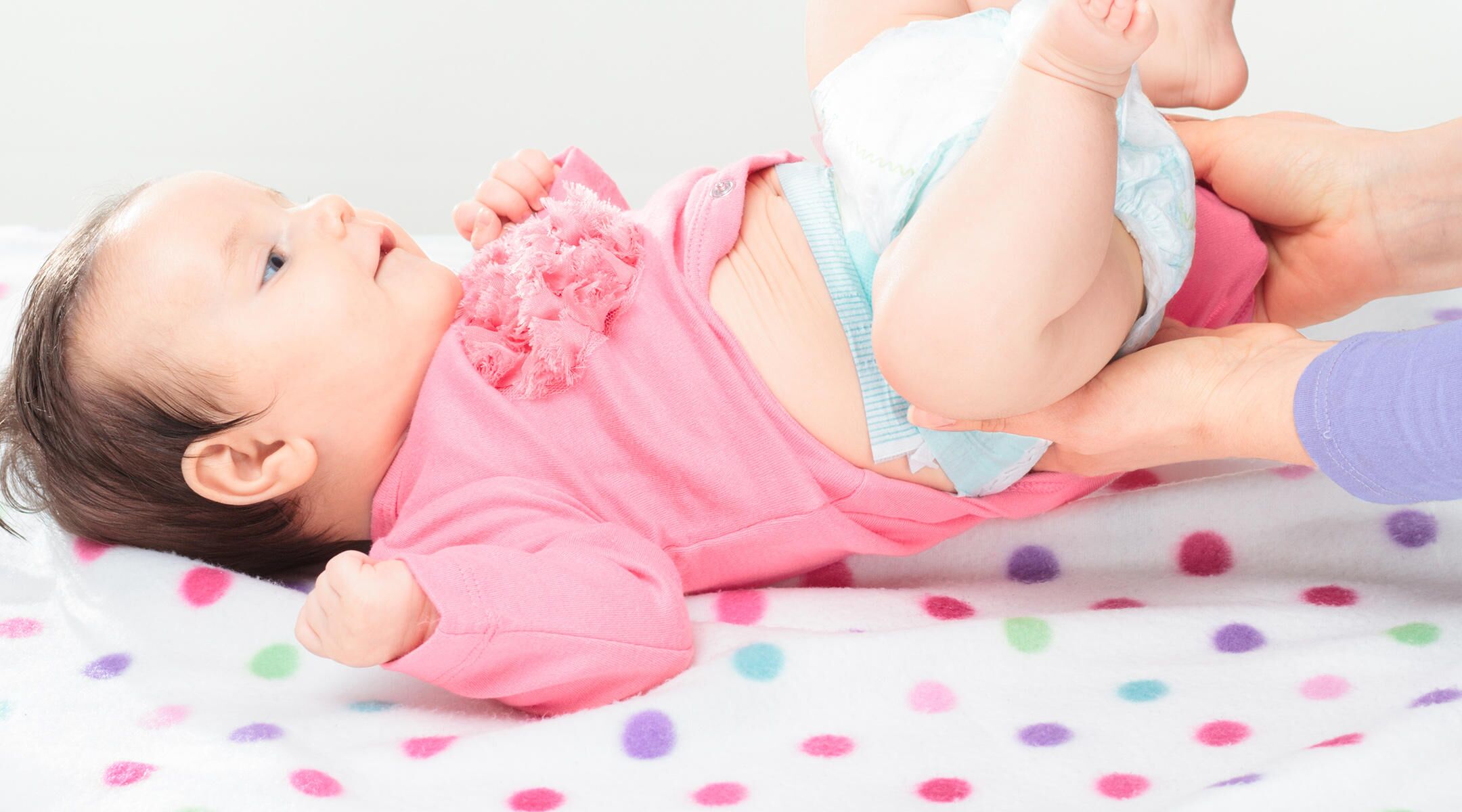
- Bicycle legs. Peddling an infant’s legs to and from their chest, as if they’re riding a bicycle, can be a gentle way to stimulate your child’s digestive system, Dr. Swanson says. Older babies generally don’t need this trick, since crawling, climbing and pulling up to stand help keep things moving. This really worked for us when our son had gas as a newborn—a few bicycle legs and he was good!
- Warm bath. The warmth and stimulation of the water can relax muscles and help baby poop. “This was like a magic trick for all three of my babies. A little midday soak and they were ready to go! Bonus: Once they’d poop, they’d have an extra-good nap!” says Lauren Barth, associate content director at The Bump and mom of three.
- Rectal stimulation. For occasional use only, Dr. Swanson suggests gentle rectal stimulation by gently inserting a rectal thermometer or using a gas-relieving product. However, Dr. Swanson cautions this shouldn’t become your go-to move. “If used too often, the baby may become reliant on rectal stimulation to poop.”
- Baby massage. Baby massage can do wonders, according to Jaclyn Benton, senior account executive at The Knot Worldwide and mom of one. “Our -1-month-old was really constipated and gassy, and we wanted to stay away from adding medicine and gas drops as much as possible,” she shares. “We tried bicycles, we tried circling her tummy with our palm, we tried keeping her elevated 24/7 and never laying her completely horizontal.”
- Water or juice. Constipation can be a sign of dehydration. If baby has started eating solids, offering a few ounces of water, pear juice or prune juice may help move things along. Constipation may also be a sign baby needs to nurse more or be offered a bottle more regularly. If you’re at all concerned, talk to your pediatrician.
- Glycerin suppositories. Another occasional-use tool, Dr. Swanson says glycerin suppositories can be helpful for constipation. Ask your doctor first, especially if baby is younger than a year.
- The P foods: Prunes, plums, peaches and pears. These four fruits are a great natural way to help baby poop. If baby has started solids, add a serving or two into your child’s daily diet to keep things moving.
- Veggies. The high-fiber content in vegetables makes them all-stars when it comes to dealing with constipation.
- Whole grains. When planning baby’s meals, try incorporating some whole grains, like whole-wheat pasta and multigrain cereals. Maximize bran intake, which can help soften stool and make it easier for baby to poop.
Yes, you can tell a lot about baby’s health by monitoring the color and consistency of their poop. But if you notice any of the following, you should consult your doctor for advice:
- Breastfed baby hasn’t pooped in over three days
- Formula-fed baby hasn’t pooped in over five days
- Baby poop is hard or pebbly
- Baby poop is red or black
- Baby poop is white, gray or clay-colored
And don’t be shy about bagging the diaper for your doctor’s inspection. “We see it all the time, and we aren’t disgusted,” Dr. Kapoor says. “It can help us best figure out what the issue may be.”
Frequently Asked Questions
How long can a baby go without pooping?
How long baby can go without pooping depends on baby’s age and whether they’re breastfed or formula-fed, says Dr. Lee Beers, MD chief medical officer of the American Academy of Pediatrics (AAP). In general, she says, most babies will poop every one or two days. “But sometimes it can be normal to go up to a week without a bowel movement, as long as baby is doing well otherwise and seems comfortable,” she says.
Why is my baby pooping so much?
“When I hear a baby is pooping too much, I wonder about the consistency of the poop (is it watery?) and hydration of baby,” says Dr. Gabrina Dixon, MD, MEd, a pediatrician at Children’s National Hospital in Washington, DC. “Pooping too much may be normal for some babies if baby is gaining weight and well-hydrated, but a cause of concern if baby isn’t gaining weight appropriately, has decreased wet diapers or is dehydrated.” She adds that it can also be an underlying sign that baby has issues with intestinal malabsorption or possibly an infection.
When do babies poop solid?
Baby’s poop typically becomes solid when they start eating solid foods, which for most babies is by 6 months, say Dr. Beers and Dr. Dixon.
What can I eat to help my breastfed baby poop?
The most important thing that’ll help your breastfed baby poop is for both Mom and baby to stay hydrated. Eating lots of healthy foods like fruits and vegetables too.
When does baby poop start to smell?
Although baby poop can smell at any time, you’ll usually begin to notice it more when baby starts solids. “The more solid a stool becomes, and the more new foods are introduced to the diet, the more you’ll start to notice a change in smell,” says Dr. Beers.
Do gas drops help baby poop?
Dr. Beers and Dr. Dixon both say that gas drops aren’t proven effective at helping baby poop. They do help some babies with gas, notes Dr. Dixon, but she says it’s best to try non-medical methods like “bicycle legs” first. Adds Dr. Beers: “As long as you follow the instructions for dosage, they aren’t likely to be harmful either.”
Does gripe water help baby poop?
There’s no good evidence that gripe water can help baby poop, say Dr. Beers, and neither of them typically recommend it. If you do choose to use gripe water, be sure to buy one that’s made in the US.
In the coming days, weeks and months, you’ll likely take up a mission to analyze the contents of your infant’s diaper; checking for normal baby poop is par for the course. Everybody poops—and you want to make sure your little one is happy and healthy! To that end, keep our poop guide for babies bookmarked as a reference to help you navigate this sometimes sticky, but always interesting stage of parenthood.
There are lots of baby poop concerns in the early days—from strange baby poop colors to mysterious consistencies. To learn more about what’s normal and what prompts a checkup, we spoke with four pediatricians. We also asked a few real moms about their experiences.
After editing, this article was vetted through fact-check and reviewed by our pediatrician medical reviewer. Learn more about how we ensure the accuracy of our content through our editorial and medical review process.
About the author: Natalie Gontcharova is the senior editor at The Bump and the mom of a 5-year-old son. She’s changed thousands of diapers—and seen quite the rainbow of poop colors.
Please note: The Bump and the materials and information it contains are not intended to, and do not constitute, medical or other health advice or diagnosis and should not be used as such. You should always consult with a qualified physician or health professional about your specific circumstances.
Plus, more from The Bump:
Dr. Lee Beers, MD, is the chief medical officer for the American Academy of Pediatrics (AAP). She earned her medical degree from Emory University School of Medicine.
Dr. Gabrina Dixon, MD, MEd, is a pediatric hospitalist at Children’s National Hospital in Washington, DC, and an associate professor of pediatrics at George Washington University School of Medicine and Health Sciences. She earned her medical degree from Howard University College of Medicine.
Dr. Madhavi Kapoor, MD, is a pediatrician and physician coach, and a former clinical assistant professor in the department of pediatrics at NYU Langone Medical Center. She received her medical degree from the University of Texas Southwestern Medical School in Dallas.
Dr. Wendy Sue Swanson, MD, is a pediatrician, bioethicist and adjunct professor of medicine at Stanford School of Medicine. She directs digital health at Stanford’s Sean Parker Center for Allergy and Asthma Research. She earned her medical degree from University of Pennsylvania School of Medicine in Philadelphia.
Cleveland Clinic, Meconium, September 2022
La Leche League Canada, Poops and Pees, November 2022
Mayo Clinic, Baby Poop: What to Expect, January 2024
Children’s Hospital Colorado, Baby Poop Guide, May 2026
Government of Alberta, Bowel Movements in Babies, October 2024
Acta Paediatrica, The Bowel Movement Characteristics of Exclusively Breastfed and Exclusively Formula Fed Infants Differ During the First Three Months of Life, May 2019
Real-parent perspectives:
- Jaclyn Benton, senior account executive at The Knot Worldwide and mom of one
- Lauren Barth, associate content director at The Bump and mom of three
- HML5382, The Bump community member
- iumegan716, The Bump community member
- SebsMum, The Bump community member
- strawny0807, The Bump community member
- VesperLove, The Bump community member
- xmasbabymama, The Bump community member
Learn how we ensure accuracy of our content through our editorial and medical review process.
Target Baby Registry
Free $100+ Value Welcome KitFree $100+ Value Welcome Kit
15% Completion Discount15% Completion Discount
Free 1-Year ReturnsFree 1-Year Returns
20+ Exclusive 20% Off
Deals For Mom & Baby20+ Exclusive 20% Off Deals For Mom & Baby1:1 Concierge With
Baby Gear Specialists1:1 Concierge With Baby Gear Specialists

*Subject to availability and Retailer's terms.
We earn commissions from these links.