






Can I Take Ozempic, Zepbound or Other GLP-1s to Lose Weight Postpartum?


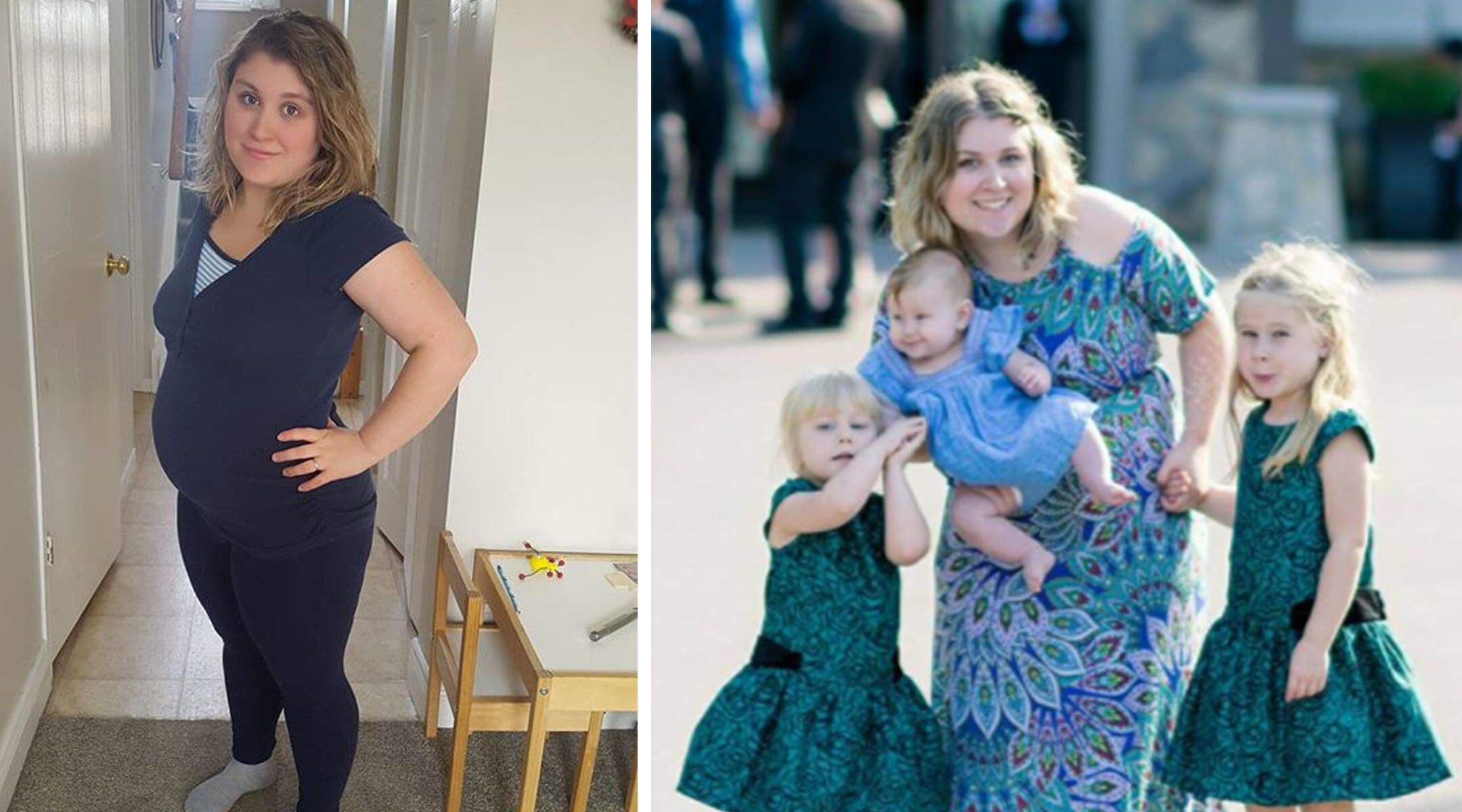
As exciting as it was to watch my belly grow during my two pregnancies, I was also frustrated that my body no longer felt like my own. After delivering each of my daughters, I remember wanting so badly to feel like myself again—which included a strong desire to shed some of the pregnancy weight I’d gained.
When I had my daughters in 2016 and 2019, using GLP-1 medications like Ozempic for weight loss wasn’t popular yet. If it had been? I’ll be honest, I definitely would have been tempted to ask my doctor about using them.
Of course, it’s completely normal to have some stubborn extra pounds after you give birth: The American College of Obstetricians and Gynecologists (ACOG) recommends women and pregnant people within a normal weight range gain between 25 and 35 pounds to allow for healthy fetal development. For this reason—as impatient as some of us may be!—for most of us, these medications aren’t the ideal option postpartum.
“If medications are being discussed [postpartum], it should be part of a bigger conversation that includes nutrition, mental health, physical activity and lifelong goals,” says Uma Darji, MD, IBCLC, a family physician and lactation consultant in Raleigh, North Carolina. “These medications can be helpful and work really well, but they’re not magic—and they’re definitely not for everyone.”
So, what should you consider if you’re interested in taking GLP-1s postpartum? Ahead, learn about potential risks, side effects and alternatives—plus, when to talk to your doctor.
- GLP-1 medications like Ozempic, Wegovy and Zepbound were originally designed for the treatment of type 2 diabetes. Doctors can also prescribe GLP-1s to eligible patients as part of a long-term weight loss and lifestyle change plan.
- Some postpartum parents can safely take GLP-1s, but they’re not recommended for those who are breastfeeding. Make sure to speak with your doctor about your options.
- Weight loss during the postpartum period can be challenging due to sleep deprivation, changing hormones and stress. But before you look into GLP-1s, consider alternatives and speak to your healthcare provider.
There has been no shortage of coverage on GLP-1 medications, but what exactly are they? “GLP-1 stands for glucagon-like peptide 1, a naturally occurring hormone in the human body that plays a key role in appetite regulation and glucose metabolism,” explains Asad Niazi, MD, MPH, a board-certified physician in Dallas who specializes in weight loss and metabolic health. GLP-1 in medication form is the synthetically engineered form of this peptide (like how progestin in birth control is the synthetic version of progesterone).
Darji says GLP-1 medications were originally created to treat type 2 diabetes, since they can help stabilize blood sugar levels and lower post-meal glucose spikes. GLP-1s can also be used for weight management because they “slow down how quickly food leaves the stomach, which promotes feelings of fullness and reduces overall calorie intake,” explains Darji, adding, “They also affect areas of the brain to decrease hunger cues.” All of this can help you feel full longer, which ultimately results in eating less.
Keep in mind that, again, GLP-1s aren’t for everyone who simply wants to lose weight: They’re often prescribed to treat obesity, a chronic condition in which you have a body-mass index (BMI) of 30 or higher. Doctors may also prescribe them to those who are overweight—meaning they have a BMI of 25 to 29.9—and have a health condition, if losing weight can help manage this condition.
When used for weight loss, GLP-1s are typically self-administered through injections. Some common GLP-1 brand names include Ozempic, Wegovy, Mounjaro and Zepbound. Ozempic and Wegovy are both semaglutides. “Ozempic is FDA-approved for type 2 diabetes, with a maximum weekly dose of 2 milligrams,” says Niazi. “Wegovy, by contrast, is approved for chronic weight management and reaches a higher weekly dose of 2.4 milligrams, which tends to be more effective for non-diabetic patients pursuing weight loss.”
Mounjaro and Zepbound, on the other hand, are tirzepatide medications. Niazi explains that tirzepatide is “a newer dual-agonist that targets both the GLP-1 receptor and the GIP (glucose-dependent insulinotropic polypeptide) receptor,” which he says offers “superior metabolic regulation and appetite suppression.” Mounjaro is currently FDA-approved for type 2 diabetes, and Zepbound is also FDA-approved for weight loss.
Some people can safely take GLP-1s to lose weight postpartum, but there are several important precautions. Katherine McDaniel, MD, FACOG, a reproductive endocrinology and infertility specialist in Pasadena, California, cautions that GLP-1s aren’t recommended while you’re breastfeeding.
“There’s the possibility that the medication might be passed to baby via your milk,” which can result in decreased appetite and impact baby’s weight gain, says McDaniel. She also notes that many medications can affect your milk supply, and since there’s a lack of research on GLP-1 use in breastfeeding moms, it’s best to play it safe.
If you’re not breastfeeding, Darji says GLP-1s are an option as long as your doctor prescribes them after a thorough assessment of your individual health status. “Postpartum recovery has a lot of factors, including hormonal changes, sleep deprivation and mental health, which must all be taken into account before starting a medication like this,” she says.
Vanessa Hux, MD, a board-certified ob-gyn in Lakeland, Florida, says non-breastfeeding parents should wait until at least six weeks to three months postpartum before starting GLP-1s. “If a patient’s ob-gyn or primary care provider recommends avoiding or delaying therapy due to specific medical circumstances, that guidance takes precedence,” Niazi adds.
Weight loss as a result of GLP-1s, when medically appropriate, can result in health benefits like lower blood pressure, a lower risk of developing type 2 diabetes, improved sleep and, in some cases, an overall improved quality of life. For those who meet the above-mentioned eligibility criteria, losing weight with the help of a GLP-1 can be life-changing and possibly even life-saving.
The benefits of GLP-1s don’t come without side effects.
Kelley D., a mom of two in Indiana, used a GLP-1 to help her lose weight (though not in the immediate postpartum period), and while it made a positive impact on her, it wasn’t always pleasant. “The weight loss was worth it, but the injections made me very nauseous,” she says.
These types of side effects aren’t uncommon with GLP-1s. According to Darji, people using GLP-1s may experience nausea, vomiting and constipation. Niazi explains that these side effects are a result of the “medication’s slowing of gastric motility” in the body.
Niazi notes that GLP-1s can also result in rare but serious side effects, including pancreatitis, gallbladder disease and cholecystitis. “Some patients also report hair thinning, which typically occurs after prolonged use at high dosages, and may reflect nutritional deficiencies rather than a direct pharmacologic effect,” he adds. Finally, Darji highlights that animal studies suggest a potential link between GLP-1s and thyroid cancer.
Amy Shapiro, MS, RD, CDN, a registered dietitian and the founder and director of Real Nutrition in New York City, says the primary goal should be to take care of yourself as your body recovers from pregnancy and childbirth. “During the postpartum period, the focus should be on nourishing your body, not restricting it,” she says. Adds Niazi: “For postpartum individuals, the goal should never be about ‘bouncing back,’ but rather about restoring metabolic equilibrium, improving energy levels, and reclaiming a sense of control over appetite and physiology.”
That said, if you’d like to lose weight gradually and safely, and your healthcare provider gives you the green light, there are some extremely effective alternatives to GLP-1s.
Hux says that staying active while you’re pregnant is the best way to set yourself up for successful, safe weight loss after baby arrives—but even if you weren’t working out pre-baby, postpartum exercise is still helpful in weight loss—and your health in general.
If you had an uncomplicated vaginal delivery, you can start light exercises, like walking and pelvic tilts, within a few days after giving birth. If you had a C-section or complications, talk to your provider before starting any exercise.
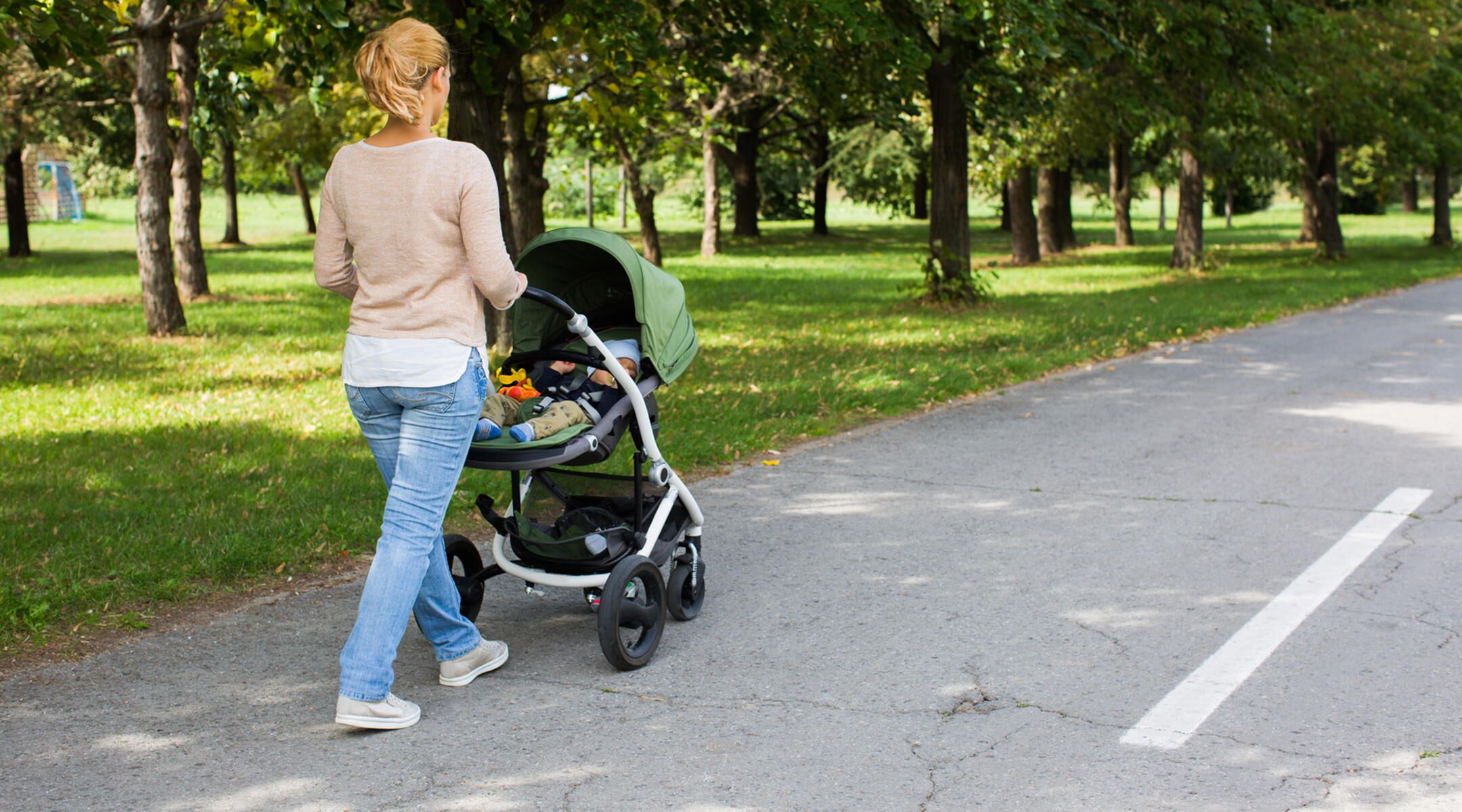
After my first baby, with whom I had an uncomplicated vaginal birth, I made a point to get outside and walk a little every day. I can’t say for sure whether this made a huge difference in my weight loss, but if nothing else it was amazing for my mental health.
Once you reach the six-week point—closer to eight weeks after a C-section—Hux says you’ll likely be able to start higher intensity workouts, such as aerobic activities and weightlifting. Just be sure to get your doctor’s okay first.
Shapiro says your postpartum diet also plays an important role in gradual weight loss. She recommends prioritizing lean protein at every meal “to stabilize blood sugar, reduce cravings and support muscle recovery.” Her favorite options include grass-fed beef, wild-caught seafood, chicken and eggs. Shapiro also suggests including fiber-rich foods, like fruits, veggies and whole grains, in your meals. These foods will help support steady blood sugar levels and help keep you full.
Hux points out that you need more calories when breastfeeding (450 to 500 extra, in fact) and that eating too little can negatively affect milk supply.
If your weight isn’t budging despite your best efforts during the postpartum period, it doesn’t necessarily mean you need support from GLP-1s—it could just be your body’s natural response to the many changes it’s going through.
“Postpartum is a major hormonal transition,” says Shapiro. “Cortisol, the stress hormone, and insulin levels can fluctuate, sleep is disrupted and your body’s recovering from pregnancy and possibly breastfeeding—all of which can impact metabolism and hunger signals.” She adds that the lack of consistency in day-to-day life, time constraints, emotional stress and fatigue can make it difficult to create and maintain healthy nutrition habits. “It’s not just about calories, it’s about your body’s overall state of recovery and support.”
Hux says that many new parents don’t have time for even basic self-care since they’re so busy meeting baby’s needs—and possibly those of an older sibling or two. “In this period, it’s paramount that new parents give themselves some grace,” she says.
If you’re considering GLP-1s postpartum, it’s essential to talk to your healthcare provider. If you meet the eligibility criteria—either a BMI of 30 or higher or a BMI of 25 to 29.9 in addition to a health condition—and you’re struggling to lose weight postpartum while implementing lifestyle changes, you could be a candidate for GLP-1s.
Frequently Asked Questions
How long after giving birth can I take Ozempic or other GLP-1s?
For those who aren’t breastfeeding, Hux and Niazi recommend waiting until at least six weeks and, ideally, three months postpartum to start taking a GLP-1 for weight loss. It’s not considered safe to start these medications until you’re done nursing.
Are there any studies on GLP-1s and breastfeeding?
Darji says there’s not much research on the use of GLP-1s while breastfeeding because clinical trials exclude pregnant and breastfeeding people.
Does Ozempic or other GLP-1s affect breast milk supply?
There’s currently not enough research to say definitively if GLP-1s can affect breast milk supply. However, Darji says that they can indirectly negatively affect supply since they can cause nausea and a decreased appetite. “If the breastfeeding parent isn’t eating enough or is experiencing significant side effects, that would impact caloric intake and hydration, which are two key factors for healthy milk production,” she says.
Can you take Ozempic in pregnancy?
No, Ozempic isn’t recommended during pregnancy. In addition to the negative effects the medication could cause, Hux emphasizes that weight loss isn’t recommended during pregnancy, with or without medication.
Can you take other GLP-1s in pregnancy?
No. The same risks associated with taking Ozempic during pregnancy are also a factor with other GLP-1s.
What are compounded weight-loss medications—are they safe for postpartum?
Compounded GLP-1s are “custom formulations of active ingredients like semaglutide or tirzepatide, often blended with supportive agents such as amino acids or vitamins,” says Niazi. The same safety recommendations with name-brand GLP-1s apply to compounded versions. However, it’s important to note that compounded versions aren’t FDA-approved. “The challenge with compounded products lies in the variability of manufacturing standards across compounding pharmacies, so it’s crucial that patients receive their medication from a pharmacy that is [United States Pharmacopeia]-compliant and follows rigorous sterility and potency testing protocols,” says Niazi.
Can you take GLP-1s if you are planning to get pregnant again?
McDaniel says she typically recommends discontinuing GLP-1 use if you’re trying to conceive. “Animal studies have demonstrated a variety of adverse effects during pregnancy, including decreased fetal growth, skeletal abnormalities and even miscarriage,” she says. “Because of the relatively long half-life of these medications, we recommend discontinuing for one to two months before trying to conceive.”
GLP-1s offer welcomed support for those struggling with type 2 diabetes, obesity and other health conditions. However, they’re meant to be used as part of a long-term protocol along with lifestyle changes under a doctor’s supervision. During the postpartum period, GLP-1s aren’t safe for those who are breastfeeding, but non-breastfeeding parents may be able to take GLP-1s safely once they’ve been cleared by a healthcare provider. Always make sure to speak to your doctor about your specific health conditions and concerns.
Please note: The Bump and the materials and information it contains are not intended to, and do not constitute, medical or other health advice or diagnosis and should not be used as such. You should always consult with a qualified physician or health professional about your specific circumstances.
Plus, more from The Bump:
Uma Darji, MD, IBCLC, is a family physician and lactation consultant in Raleigh, North Carolina. She earned her medical degree from the American University of the Caribbean School of Medicine in St. Maarten.
Vanessa Hux, MD, is a board-certified ob-gyn in Lakeland, Florida. She earned her medical degree from Vanderbilt University School of Medicine.
Katherine McDaniel, MD, FACOG, is a reproductive endocrinology and infertility specialist in Pasadena, California. She earned her medical degree from the University of California Irvine School of Medicine.
Asad Niazi, MD, MPH, is a board-certified physician in Dallas who specializes in weight loss and metabolic health. He earned his medical degree from Texas Tech University Health Sciences Center in El Paso.
Amy Shapiro, MS, RD, CDN, is a registered dietitian and the founder and director of Real Nutrition in New York City.
The American College of Obstetricians and Gynecologists, Breastfeeding Your Baby: Frequently Asked Questions, July 2023
The American College of Obstetricians and Gynecologists, Exercise After Pregnancy, October 2024
The American College of Obstetricians and Gynecologists, Weight Gain During Pregnancy, June 2013
Cleveland Clinic, GLP-1 Agonists, July 2023
Cleveland Clinic, Progestin, March 2023
Current Obesity Reports, Weight Loss and Improvement in Comorbidity: Differences at 5%, 10%, 15%, and Over, June 2017
Diabetes Care (American Diabetes Association), GLP-1 Receptor Agonists and the Risk of Thyroid Cancer, November 2022
Frontiers in Endocrinology, Effects of GLP-1 Agonists and SGLT2 Inhibitors During Pregnancy and Lactation on Offspring Outcomes: A Systematic Review of the Evidence, October 2023
UCLA Health, Semaglutide for Weight Loss - What You Need to Know
US Food and Drug Administration, FDA’s Concerns with Unapproved GLP-1 Drugs Used for Weight Loss
UT Southwestern Medical Center, 4 Factors That Can Decrease Breast Milk Supply—and How to Replenish It, May 2022
Real-parent perspectives:
- Kelley D., mom of two in Indiana
Learn how we ensure the accuracy of our content through our editorial and medical review process.
Target Baby Registry
Free $100+ Value Welcome KitFree $100+ Value Welcome Kit
15% Completion Discount15% Completion Discount
Free 1-Year ReturnsFree 1-Year Returns
20+ Exclusive 20% Off
Deals For Mom & Baby20+ Exclusive 20% Off Deals For Mom & Baby1:1 Concierge With
Baby Gear Specialists1:1 Concierge With Baby Gear Specialists

*Subject to availability and Retailer's terms.
We earn commissions from these links.