




Can You Take Plan B While Breastfeeding?


If you’re breastfeeding baby and aren’t ready for another (now or ever), you might find yourself frantically Googling whether taking a morning-after pill like Plan B while nursing is a safe option.
Take a deep breath. Thankfully, experts say that taking Plan B while breastfeeding is safe. “The American College of Obstetricians and Gynecologists (ACOG) recommends that breastfeeding doesn’t need to be interrupted after Plan B use,” confirms Dr. Yelena Korotkaya, MD, FACOG, associate chief of complex family planning at Long Island Jewish Medical Center at Northwell Health in New Hyde Park, New York.
And many moms have done it: “I researched this heavily and ended up taking Plan B around 10 weeks postpartum. There was no effect on milk supply, and all my reading showed it was safe for baby,” shares Reddit user thetravelingtawny.
So, can you take Plan B while breastfeeding? Likely yes, but there are things to know about and a few alternatives to consider. Ahead, learn about your options and exactly what you need to do if you decide to take Plan B or another form of emergency contraception during your nursing era.
- Taking Plan B while breastfeeding is safe. Only very small amounts pass into breast milk, and studies show no adverse effects on infants or milk supply.
- There’s no need to pump and dump after taking Plan B while nursing. If it gives you peace of mind, pumping and dumping for the first three to four hours after taking the medication can reduce baby’s exposure, but it’s not medically necessary.
- Timing is critical—Plan B works best when you take it within 72 hours of unprotected sex. While it can be effective for up to three days, the sooner you take it, the better it works at preventing ovulation and pregnancy.
- Breastfeeding alone isn’t a reliable form of contraception. It’s possible to ovulate—and therefore get pregnant—even without a regular period returning postpartum, so discuss breastfeeding-friendly contraceptive options with your provider.
Plan B (levonorgestrel) is a form of emergency contraception that can reduce your chances of getting pregnant after unprotected sex or contraception failure. It’s an oral medication taken as one or two doses that you can get over-the-counter at drug stores.
Levonorgestrel is a synthetic form of the hormone progesterone, which is used in birth control pills. It’s also available under other brand names, including Plan B One Step, Take Action, My Way, Option 2, Preventeza, AfterPill, MyChoice, Aftera and EContra. All of these medications work just like Plan B and contain the same 1.5-milligram dose.
Plan B and other forms of levonorgestrel work by stopping or delaying ovulation, which prevents an egg from being fertilized. It’s 75 to 89 percent effective at preventing an unwanted pregnancy when you take it within three days of having unprotected sex.
Yes, you can take Plan B while breastfeeding, according to major medical organizations including ACOG.
“Levonorgestrel is a type of progesterone and is safe in the postpartum period and while breastfeeding,” confirms Dr. Megan Evans, MD, an ob-gyn at Tufts Medical Center in Boston.
Very small amounts of Plan B do make it into breast milk—but studies show that it doesn’t adversely affect baby or your milk. This means you don’t need to put breastfeeding on hold. “Pumping and dumping isn’t recommended,” advises Dr. Korotkaya.
If you’re going to take a dose of Plan B while nursing, there’s a few things to know in advance.
- Read the instructions. Plan B is an oral medication that you can take like any other pill. It typically comes in just one dose, but if yours comes in two doses, simply take them according to the package directions.
- Dose sooner than later. The most important thing to keep in mind: Take it ASAP. You’ll have your best chance of success if you take it within 72 hours. “The goal of Plan B is to prevent ovulation. Once ovulation has occurred, Plan B will have no impact on that ovulated egg or a pregnancy,” Dr. Evans explains.
- Lean on your support system. If possible, “it can be helpful to have someone at home with you when you take the pill,” suggests Dr. Korotkaya. If you’re not feeling your best, a partner, family member or friend can hang out with baby.
- Be prepared for breast tenderness. While it’s not super common, it might make breastfeeding a little more uncomfortable. Using ice packs or cool compresses in between feedings or applying wet or dry heat (like a warm washcloth or a hot water bottle) before nursing can help take the edge off. OTC pain relievers like ibuprofen are also safe to take when you’re breastfeeding.
- Mark your calendar. Be sure to jot down two dates after dosing: the day you took Plan B and three weeks later. If you haven’t gotten your period by the three-week mark, take a pregnancy test.
- Know about possible interactions. Finally, keep in mind that certain things can make Plan B less effective, including the antibiotic Rifampin, the anti-fungal Griseofulvin, certain HIV medications, certain anti-seizure medicines and St. John’s wort. The med may also not work as well in women who are over 165 pounds. If any of these apply to you, call your healthcare provider to talk about alternative emergency contraception options.
Plan B while breastfeeding is safe and generally well-tolerated, but it can cause some mild side effects. These include:
- Nausea
- Headache
- Stomachache
- Breast tenderness
- Dizziness and/or lightheadedness
That said, the med doesn’t seem to affect breastfeeding women any differently compared to those who aren’t breastfeeding. If you happen to throw up within two hours of taking Plan B while nursing, you should re-dose, since your body may not have absorbed the medication.
Call your doctor if you experience heavy bleeding with abdominal cramping or ongoing spotting or irregular bleeding. These can be signs of a miscarriage or ectopic pregnancy.
Frequently Asked Questions
Do you have to pump and dump after taking Plan B?
Ob-gyns and major organizations say no—very little Plan B makes it into your breast milk, and the amount baby’s exposed to is safe. But if you’d feel better pumping and dumping, doing so for the first three to four hours after you’ve taken the med can reduce baby’s exposure.
Are there alternatives to taking Plan B while breastfeeding?
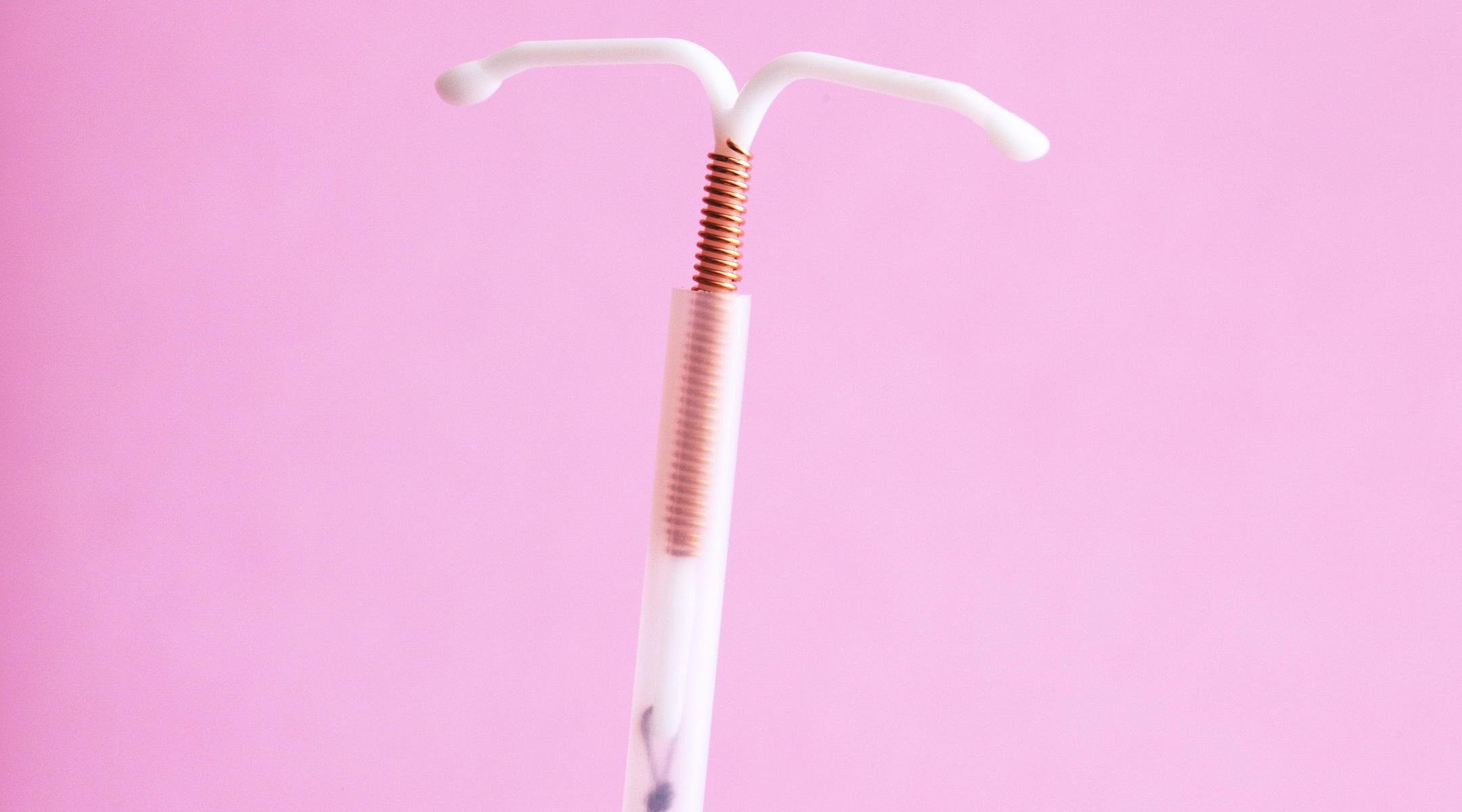
Getting an IUD within five days of unprotected sex is another effective form of emergency contraception that’s breastfeeding-friendly, according to ACOG. That said, it’s less convenient, since a healthcare provider needs to insert the IUD. It’s also a long-term form of contraception—IUDs can last for up to 10 years, and you’ll need to have yours removed if you want to try getting pregnant in the future.
What are the odds of getting pregnant while breastfeeding?
It depends on your nursing situation. Breastfeeding is about 98 percent effective at preventing pregnancy if baby’s younger than 6 months and is exclusively breastfed, you’re nursing at least every four hours during the day and at least every six hours at night, and you’re not currently getting a period.
But if even one of those boxes isn’t ticked, it’s a total gamble, and you definitely shouldn’t count on breastfeeding as a form of contraception. That’s true even if you haven’t gotten your period yet, adds Dr. Korotkaya.
Can you get pregnant if you’re breastfeeding and haven’t gotten your period?
100 percent yes. Breastfeeding isn’t a foolproof method of preventing an unwanted pregnancy. “What’s tricky about the postpartum period while breastfeeding is that patients may not have a regular period, or any period, but can still ovulate. This puts them at risk of a pregnancy earlier than intended,” Dr. Evans explains.
If you want to avoid getting pregnant, ask your provider about nursing-friendly contraception. “There are so many great options for breastfeeding parents that are safe, effective and won’t interfere with breastfeeding,” Dr. Evans adds.
Plan B is a safe form of emergency contraception to use when you’re breastfeeding—and there’s no need to pump and dump. The medicine works best within three days of unprotected sex, so if you decide to take it, do so ASAP. Finally, make sure you have the support you need at home—you might need some help with baby if you’re a little under the weather as a result of the pill (rest assured, this is short-lived).
This article was first published in 2026. We spoke with two ob-gyns to learn about using Plan B while breastfeeding. We also found research through various sources including ACOG and Mayo Clinic. We scoured forums and Reddit to find an account of a mom who took Plan B while breastfeeding. Finally, this article was fact-checked and medically reviewed through our thorough editorial and medical review process.
About the author: Marygrace Taylor is a mom and freelance health and wellness writer. Her work has appeared in various publications including Women’s Health, Family Circle, Self and Good Housekeeping.
Please note: The Bump and the materials and information it contains are not intended to, and do not constitute, medical or other health advice or diagnosis and should not be used as such. You should always consult with a qualified physician or health professional about your specific circumstances.
Plus, more from The Bump:
Dr. Megan Evans, MD, is an ob-gyn at Tufts Medical Center in Boston and an associate professor at Tufts University School of Medicine. She earned her medical degree from George Washington University School of Medicine and Health Sciences.
Dr. Yelena Korotkaya, MD, FACOG, is the associate chief of complex family planning at Long Island Jewish Medical Center at Northwell Health in New Hyde Park, New York. She earned her medical degree from SUNY Downstate College of Medicine.
U.S. Food and Drug Administration, Plan B One-Step (1.5 mg Levonorgestrel) Information, December 2022
Planned Parenthood, What’s the Plan B Morning-After Pill?
American College of Obstetricians and Gynecologists, Emergency Contraception, October 2025
Society of Family Planning, Emergency Contraception, January 2023
National Library of Medicine, Drugs and Lactation Database, Oral Levonorgestrel, March 2026
Nemours KidsHealth, Breastfeeding FAQs: Pain & Discomfort, January 2021
Mayo Clinic, Morning-After Pill, July 2024
Harvard Health Publishing, Can Breastfeeding Really Prevent Pregnancy?, March 2022
Real-parent perspectives:
- thetravelingtawny, reddit user
Learn how we ensure the accuracy of our content through our editorial and medical review process.
Target Baby Registry
Free $100+ Value Welcome KitFree $100+ Value Welcome Kit
15% Completion Discount15% Completion Discount
Free 1-Year ReturnsFree 1-Year Returns
20+ Exclusive 20% Off
Deals For Mom & Baby20+ Exclusive 20% Off Deals For Mom & Baby1:1 Concierge With
Baby Gear Specialists1:1 Concierge With Baby Gear Specialists

*Subject to availability and Retailer's terms.
We earn commissions from these links.