






Yes, Pregnant Tests Do Expire—Here’s What to Know


When it suddenly registers that you might be pregnant, you want a definitive answer right away. But after unearthing an old pregnancy test box that’s been hanging out in the back of your closet, it’s fair to ask: Do pregnancy tests expire?
All my pregnancies have been spaced several years apart, so it wasn’t abnormal for me to have old tests laying around for a while. But the last time I was about to use a vintage test, I noticed that the expiration date stamped on the box had passed. I decided to hedge my bets and use it anyway, but quickly became frustrated when the results were fuzzy and hard to read. So I ended up having to go to the store to buy a new one anyway.
While there’s no real harm in using an old pregnancy test (beyond potential mental distress!), ob-gyns say that the date on the package is there for a reason. So, yes, pregnancy tests do expire, and that means you may not get accurate results if you use one that’s past its prime. Ready to get the full lowdown? Here’s what experts want you to know.
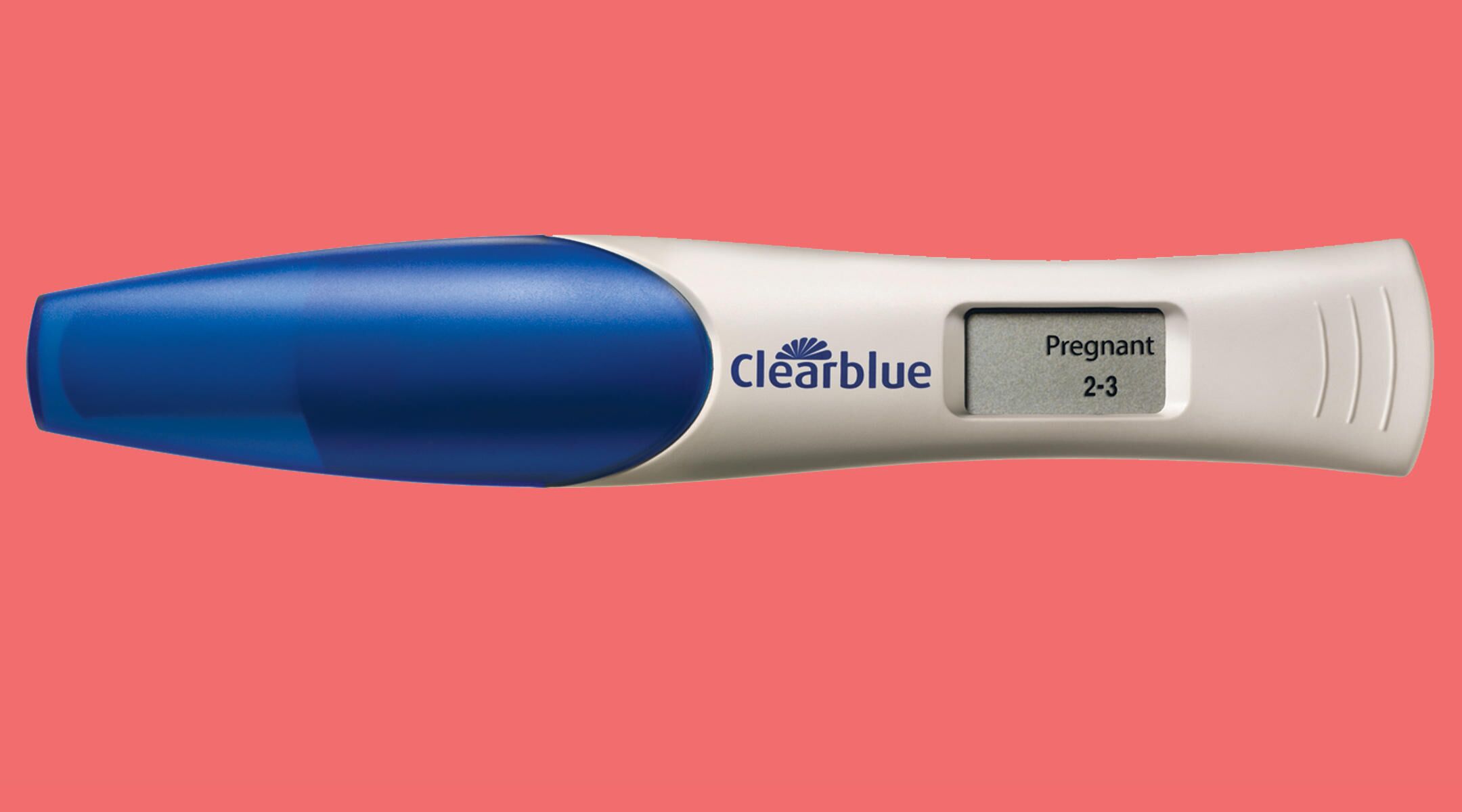
- Home pregnancy tests work by detecting human chorionic gonadotropin (hCG) in your urine. When a test identifies this telltale pregnancy hormone, a reaction occurs where a second test line or—in the case of a digital pregnancy test—the word “pregnant” appears.
- All pregnancy tests do expire at some point. You’ll want to take note of the date on your box.
- Results may not be accurate if you’ve used a test after the expiration date has come and gone.
- Every company’s test has a slightly different shelf life/ lifespan. You’ll want to pay attention to the box. When in doubt, get a new pregnancy test.
Yes, pregnancy tests aren’t meant to last forever. “They definitely have a shelf life,” confirms G. Thomas Ruiz, MD, lead ob-gyn at MemorialCare Orange Coast Medical Center in Fountain Valley, California.
Every company and test is slightly different, making it important to read the label carefully. “Pregnancy tests have an expiration date usually on the outside packaging,” says Meleen Chuang, MD, associate professor at the Department of Obstetrics and Gynecology at NYU Grossman School of Medicine and chief of obstetrics at NYU Langone Hospital in Brooklyn. Some will also state the expiration date on the wrapper that immediately surrounds the test.
What’s the general shelf life of a pregnancy test?
It depends. “The expiration time for a pregnancy test kit is typically between one to three years from the date of manufacture,” Chuang says. “However, the exact time can vary depending on the brand and type of test.”
I used an expired pregnancy test several years ago and thought I was pregnant—until I realized they were expired. Who knew expired tests would still be sitting on the shelf at my local drug store! So I’d definitely confirm any results you receive with a test that is not expired.
The only way to know for sure if your pregnancy test has expired is to read the label. “Checking the expiration date printed on the packaging is important prior to use,” Chuang reiterates.
If you have an expired pregnancy test, there’s no guarantee that it’ll still work. “The chemical reagent that reacts to hCG starts to break down over time, which makes the test not reliable,” Chuang says. She also points out that damage to the package can interfere with the results.
Do expired pregnancy tests give false positives?
It’s possible for an expired pregnancy test to give a false positive—or a false negative. “You cannot expect a reliable result one way or another if it’s expired,” Ruiz says. That said, Chuang says you’re more likely to get a false negative—where the test says you aren’t pregnant when you actually are.
I had a friend who kept testing negative on expired home pregnancy tests. She went to the OB to see what was wrong since she [wasn’t getting her period]. Her OB tested and told her she was pregnant and probably used an expired test! She went home and—yep—saw that the box was left over from her first pregnancy and over a year expired!
Every home pregnancy test is slightly different, but they all rely on similar technology. Again, home pregnancy tests detect the presence of the pregnancy hormone hCG in urine.
A dye-pregnancy test contains an antibody to hCG and then changes colors when the hormone is detected in urine, Ruiz says. When you pee on a stick or dip it into your urine, the reagent will change color (or make a second line appear) if it detects hCG, Chuang adds. (Digital tests work similarly; the reactionary chemical signals the test to display either the word “pregnant or “not pregnant.”)
Doctors recommend taking a few steps to increase the odds of getting an accurate result on your home pregnancy test:
- Check the expiration date, and don’t use an expired test.
- Wait to take the test until you miss your period.
- Consider taking a test first thing when you wake up (early-morning urine tends to have a higher concentration of hCG).
- Don’t use a damaged test.
- Follow the test instructions carefully.
Frequently Asked Questions
Can an old used pregnancy test turn positive?
It’s possible for an old, used pregnancy test to change its results. “An old, used pregnancy test may show changes over time due to evaporation lines,” Chuang says. In other words, if it’s outside the recommended testing timeframe, the result is no longer reliable. She emphasizes the importance of reading the test results in the timeframe that’s specified in the test’s instructions.
What’s the accuracy of an expired pregnancy test?
It’s not known how accurate an expired pregnancy test may be, but doctors don’t recommend using one past its marked date. “An expired pregnancy test isn’t accurate,” Chuang says. “We cannot determine how the reagent will work to pick up hCG.”
Where can you find the expiration date on a pregnancy test?
Every pregnancy test is different, but the expiration date will usually be stamped on the outside of the test’s box. Many will also have an expiration date noted on the packaging that surrounds the actual test.
Is there a way to extend a pregnancy test shelf life?
Unfortunately, doctors say there’s no way to extend the shelf life of a pregnancy test. “If you have tests stored at home, it’s best to keep them in a cool, dry place to maintain their shelf life until expiration—and throw it out after it expires,” Chuang says.
It’s tempting to use an expired pregnancy test to save money—and because it’s there in the moment you want it, but doctors recommend tossing it in the trash and getting a new one. Expired pregnancy tests aren’t accurate, raising the risk of getting an incorrect or unclear result. “This process is stressful enough already,” Chuang says. “Correctly follow the instructions and get peace of mind using a non-expired test.”
Please note: The Bump and the materials and information it contains are not intended to, and do not constitute, medical or other health advice or diagnosis and should not be used as such. You should always consult with a qualified physician or health professional about your specific circumstances.
Plus, more from The Bump:
Meleen Chuang, MD, is an associate professor at the Department of Obstetrics and Gynecology at NYU Grossman School of Medicine and chief of obstetrics at NYU Langone Hospital in Brooklyn. She earned her medical degree from Stony Brook University in New York.
G. Thomas Ruiz, MD, is the lead ob-gyn at MemorialCare Orange Coast Medical Center in Fountain Valley, California. He earned his medical degree from the University of California, Irvine School of Medicine.
Real-parent perspectives:
- [Mrs.JLC], The Bump community forum member
- mattandlora, The Bump community forum member
Learn how we ensure the accuracy of our content through our editorial and medical review process.
Target Baby Registry
Free $100+ Value Welcome KitFree $100+ Value Welcome Kit
15% Completion Discount15% Completion Discount
Free 1-Year ReturnsFree 1-Year Returns
20+ Exclusive 20% Off
Deals For Mom & Baby20+ Exclusive 20% Off Deals For Mom & Baby1:1 Concierge With
Baby Gear Specialists1:1 Concierge With Baby Gear Specialists

*Subject to availability and Retailer's terms.
We earn commissions from these links.