











8 Best Baby and Toddler Sleep Sacks, Tested by Parents


In a nutshell:
Based on hands-on product testing and expert guidance, we chose the Halo SuperSoft Bamboo Wearable Blanket as the overall best baby and toddler sleep sack. This product stood for its hip-healthy fit, ultra-soft fabric, easy-to-use design and generous room to grow––keeping baby cozy from infancy through toddlerhood.
While I’m a survivor of the loose bedding era, we know better now––current guidance from the American Academy of Pediatrics (AAP) says no blankets, pillows or toys in baby’s crib. The good news? There’s a much safer––and AAP-approved––sleep alternative to keeping babies warm and comfortable for bedtimes and naps: baby sleep sacks.
As a mom of three littles, sleep sacks have been an important part of our bedtime routines from infancy into toddlerhood. Not only do they keep my kiddos cozy for naps and bedtime, they give me peace of mind knowing they don’t carry the same risk of SIDS as loose bedding. In the end, everyone gets better sleep!
That said, not just any sleep sack will do. When looking for a baby or toddler sleep sack, “you always want to choose a sleep sack in a natural fabric like cotton, bamboo, or merino wool,” says Riki Taubenblat, pediatric sleep consultant, certified holistic sleep specialist and the CEO and founder of Baby Sleep Maven. “That’s very important for breathability, temperature regulation, and nervous system regulation.”
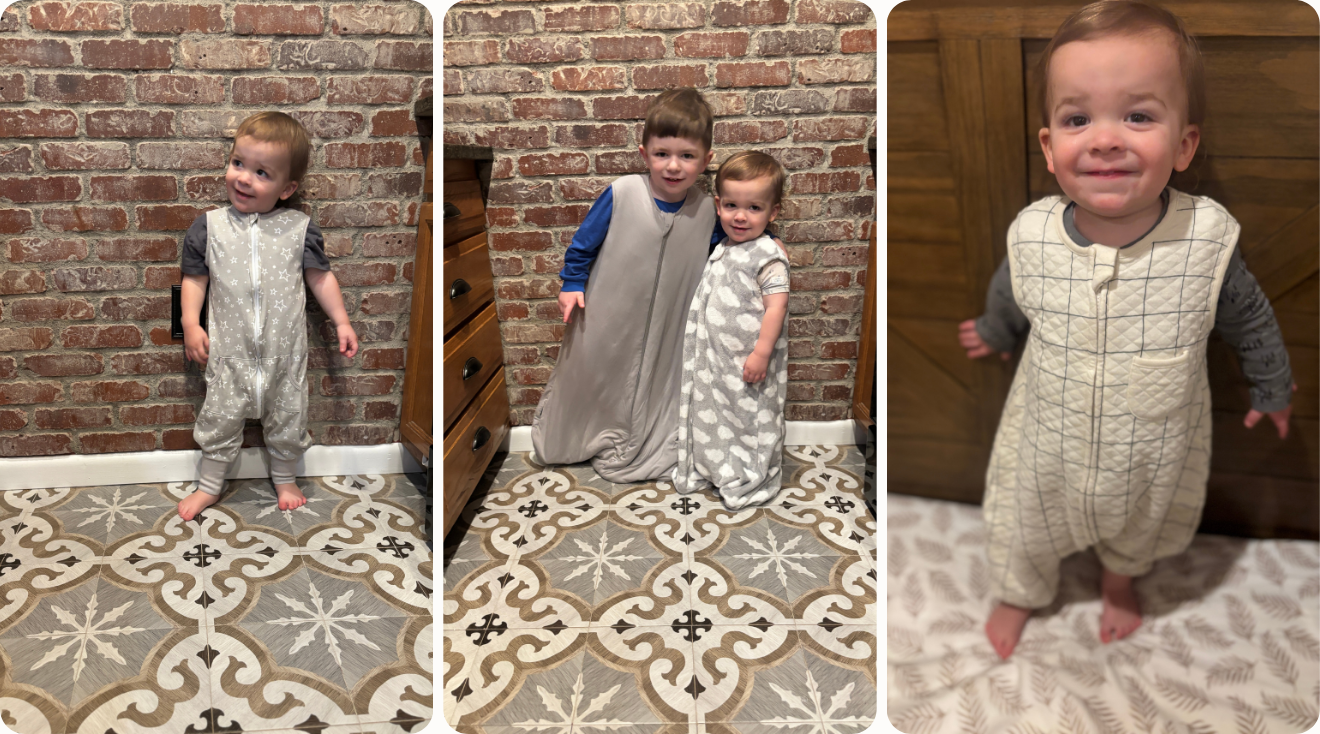
With so many sleep sacks on the market, choosing the right one can feel overwhelming, which is why hands-on testing with real families matters. I tested eight sleep sacks with my 9-month-old, while two other moms tried additional picks with their babies and toddlers. Together, we put each option through real-life naps, nights and loads of laundry.
The Bump editors conducted extensive research to identify 20 top-rated toddler sleep sacks on the market. From there, we narrowed the list down through hands-on testing and expert evaluation:
- The 20 sleep sacks were distributed to three parents––myself included––to test with their babies and toddlers ranging from 9- to 22-months-old. Each sleep sack was used for two full nights and naps to assess comfort, durability and fit. We also washed and dried each sack at least once according to the manufacturer’s instructions to evaluate how well it held up to regular use.
- Each sleep sack was rated on a scale of 1 to 10 across key categories that matter most to parents including ease of use, quality of fasteners, ease of diaper changes, fit, material, temperature control, washing and drying, design and style and overall value for money. These scores helped us identify 8 standout products that outperformed the rest.
- To ensure our picks meet current safe sleep standards, we reviewed American Academy of Pediatrics (AAP) guidelines and interviewed three pediatric sleep consultants and a pediatrician to better understand what to look for in a baby sleep sack and ensure our recommendations reflect the latest expert-backed safety standards.
- Since every family and child is different, we performed extensive market research across message boards, forums and product reviews to see how these sleep sacks performed for parents and children across the country.
Editorial integrity is at the heart of everything we publish. Read more about how The Bump develops our product reviews.
Overall best baby and toddler sleep sack
- Soft, hypoallergenic material
- Generous sizing
- Two-way zipper
- Machine washable
- May be too warm for summer
- Some parents report it stains easily
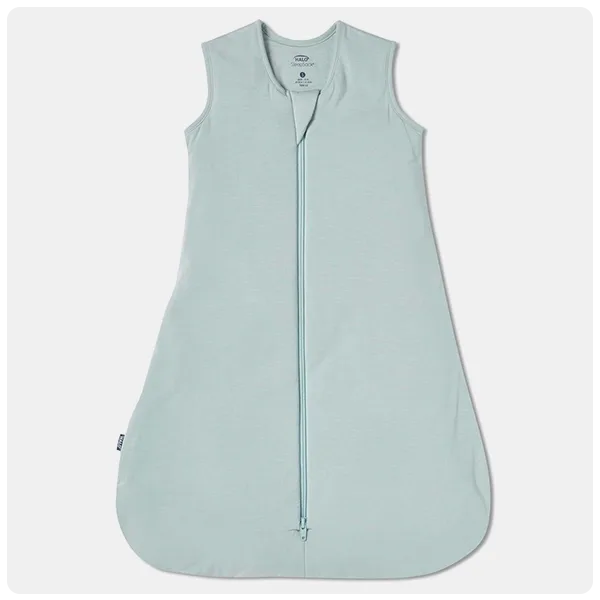
Halo is a longtime favorite among parents, and the SuperSoft Bamboo Wearable Blanket stood out in testing for its comfort and thoughtful design. With its buttery-soft fabric, cozy 1.5 TOG warmth and generous sizing, this sleep sack earned our top spot as the overall best baby and toddler sleep sack.
Comfort is always the starting point when it comes to better sleep and I was really impressed by the softness of the Halo sleepsack which was made with ultra-soft, hypoallergenic bamboo-viscose. Thanks to its triple-layer design, it offered a gentle, cozy feel—without any unsafe weighted components. Our toddler tester Christine, who tested the sleep sack with her 22-month-old, also shared that the material was “incredibly supple and soft,” adding that it’s the “the kind of material that you wish you could have for your own pajamas or blankets”.
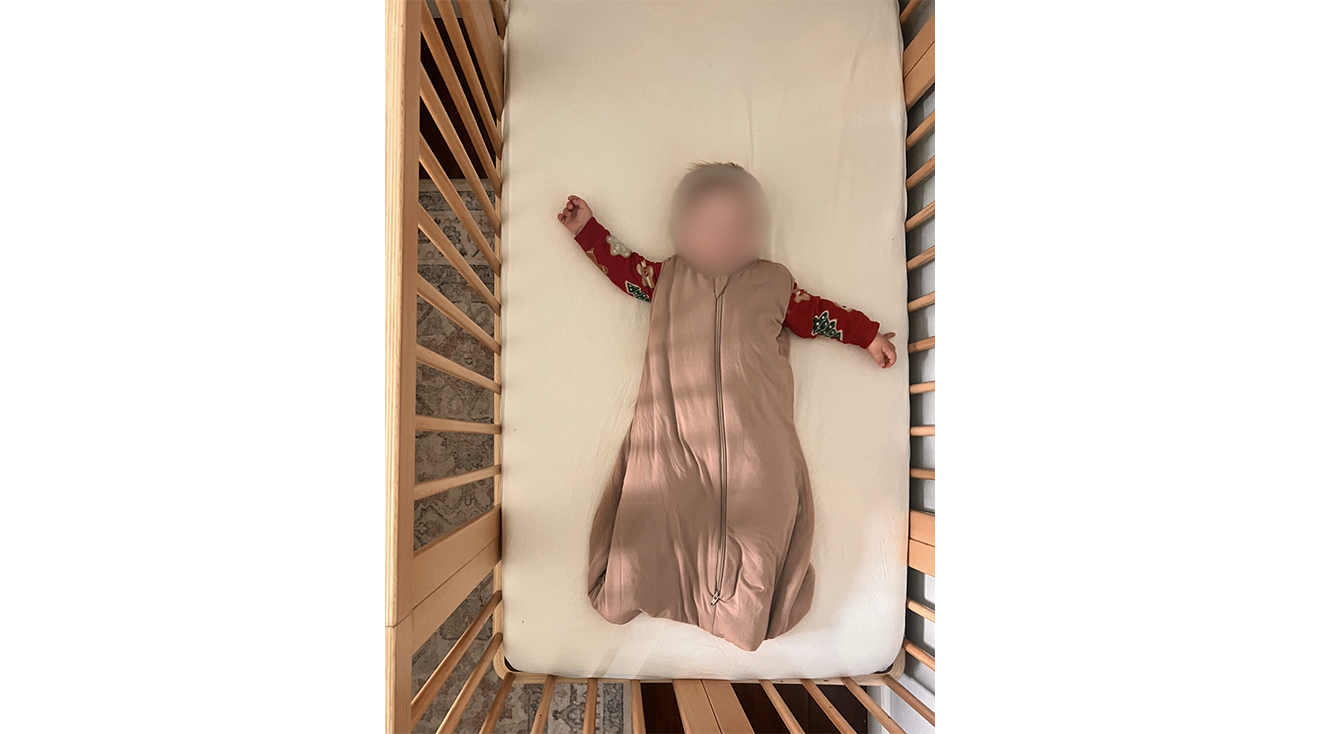
Fit was another major highlight. The Halo sleep sack has a roomy, hip-healthy shape (endorsed by the International Hip Dysplasia Institute) that allows my baby to move comfortably in any sleep position––whether that was sprawled out on his back, laying on his side, rolling over in his sleep, or hiking his little bottom in the air while sleeping on his tummy. With high-quality material, a smooth two-way zipper and a comfortable fit with room for growth, the SuperSoft bamboo wearable blanket stood out as an overall high performer from infancy through toddlerhood.
Size range: S, M, L, XL | Material (shell): 100% bamboo-viscose | Material (filling): 100% polyester | TOG rating: 1.5 | Care instructions: Machine wash cold with like colors on a gentle cycle
Our product tester says:
“My baby falls asleep with my hand resting/patting his back and bottom, so I think this sleep sack came close to replicating that warmth and feeling. This seemed to help him have better and more settled sleep.”

Best budget-friendly baby and toddler sleep sack
- Affordable price point
- Soft fleece
- Machine washable
- Limited sizing
- Synthetic material
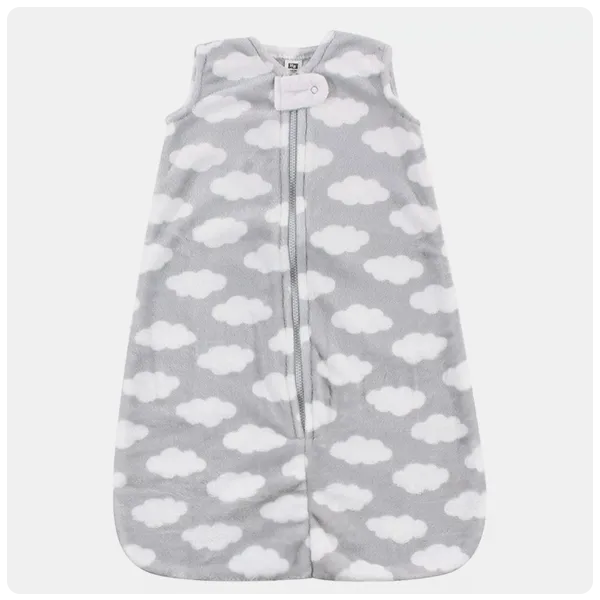
Whether you’re a bargain shopper or simply need a backup for travel or grandma’s house, you might be looking for a more affordable option. The Hudson Baby Unisex Baby Plush Sleeping Bag, Sack, Blanket rings up at under $20, and offers a cozy, no-frills option that’s perfect for cooler nights.
While it doesn’t come with the high-end features of pricier sleep sacks––like a two-way zipper––it still performed impressively in hands-on product testing at the price point. Our tester, Christine, found it “super simple to use” and noted the large central zipper “glides easily,” simplifying her bedtime routine with her 22-month-old toddler. The super soft fleece material was comfortable and helped her son sleep soundly, needing only a layer of lightweight pajamas underneath to stay warm and cozy.
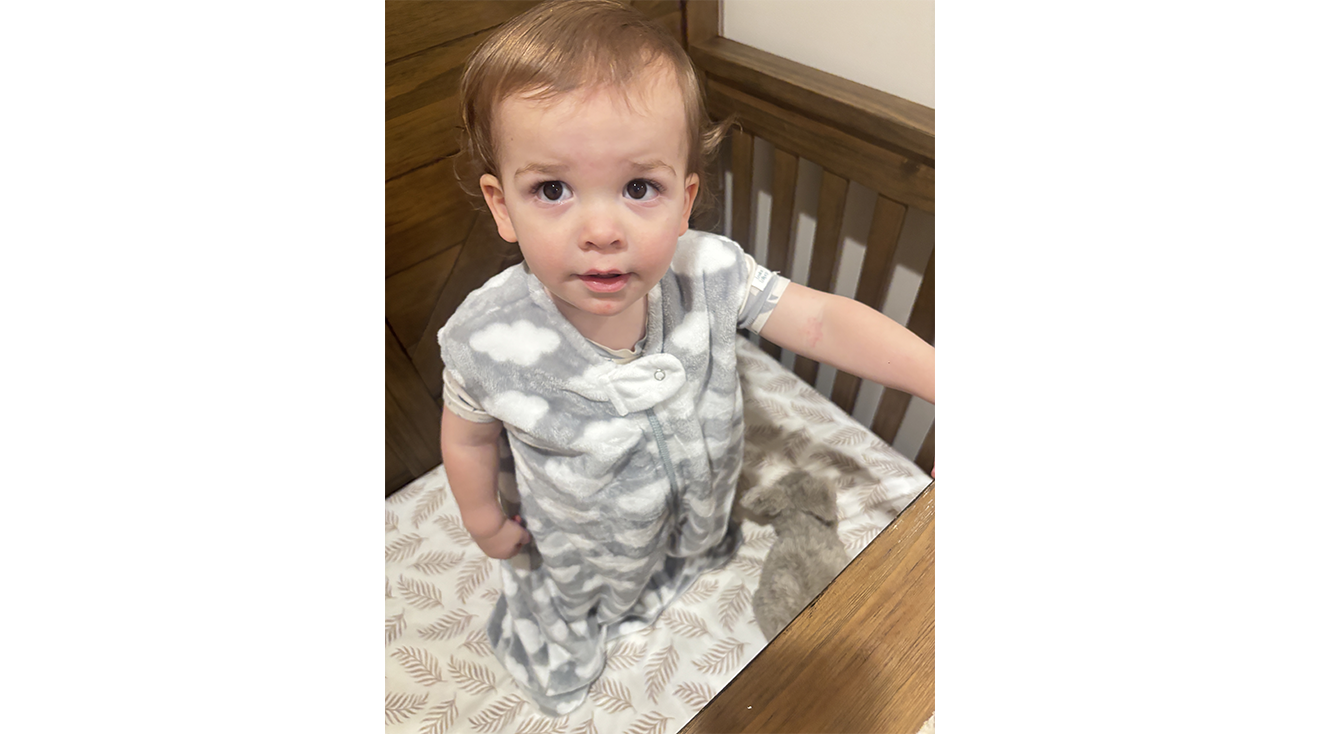
Christine’s toddler loved the soft polyester fleece, which felt more like a wearable blanket––making it an especially cozy choice for fall and winter. That said, she expresses some concern about breathability. While the fleece material was “perfect for cooler evenings”, she would not recommend the sleep sack for year-round use.
For such an affordable option, Hudson Baby includes a few thoughtful details, like an easy care process and a snap closure at the neckline to protect baby’s skin. If you’re looking for an inexpensive, no-fuss sleep sack for cooler nights, the Hudson Baby Unisex Baby Plush Sleeping Bag, Sack, Blanket offers an excellent bang for your buck.
Size range: 0-6 months to 18-24 months | Material: Polyester | TOG rating: N/A | Care instructions: Machine wash, tumble dry
Our product tester says:
“The quality seems really nice for the price––I can see it lasting from one child to another. It is a really simple design and I don't expect much for this price point but was pleasantly surprised at the nice details.”
Best toddler sleep sack with legs
- Comfortable fabric
- Roomy fit
- Good size range
- Runs big
- Might need two cycles in dryer
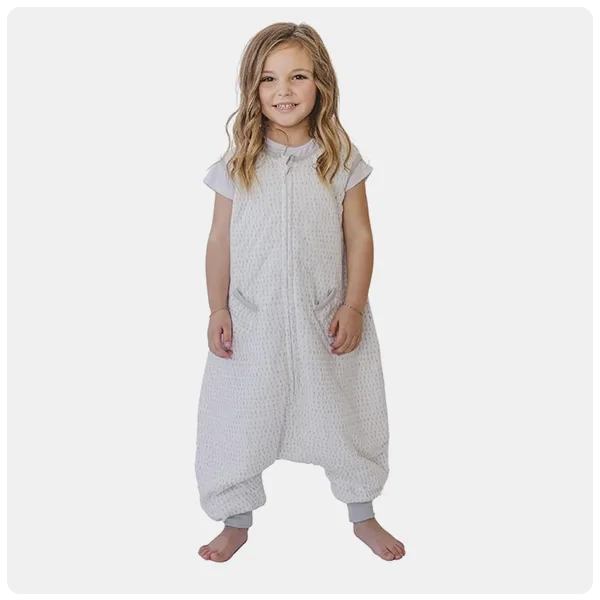
When your toddler is on the move but bedtime still needs to happen, it might be time to transition to a toddler sleep sack. Striking the ideal balance of warmth and freedom to move, the Tealbee Dreamsuit is our top choice for the best toddler sleep sack with legs.
This sleep sack was a favorite with both Christine and our tester Korin, earning high scores across the board thanks to its breathable cotton-blend fabric, roomy leg openings, and two-way zipper that made for easy diaper changes. The best part? It offers true mobility without sacrificing that cozy sleep-ready feel. Christine loved that her toddler could “walk, run and play in the sleep sack,” which made it easier to get him ready for bed while still allowing for quiet movement before bedtime.
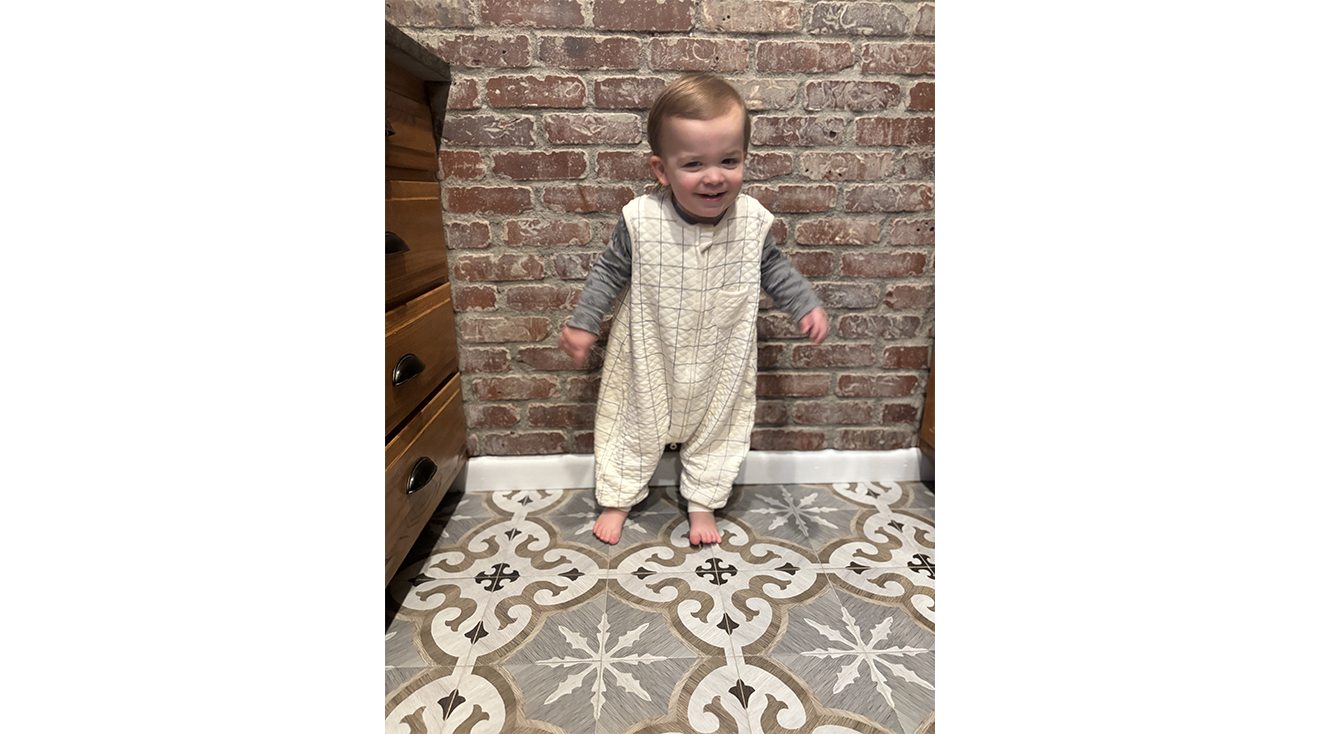
As for functionality, our testers reported the two-way zipper worked smoothly and since many toddlers still wear overnight diapers, the double zipper made diaper changes easy for the parents and comfortable for the kiddos. Designed for kicking, standing, and moving around, the toddler sleep sack had a comfortably loose fit with room to grow. Korin noted it felt “snug in all the right places,” with enough space in the legs for comfort, without being so long as to become a tripping hazard.
This toddler sleep sack also reviewed positive feedback for its material and temperature control. Christine shared that the breathable and soft quilted fabric kept her son warm and cozy. The 0.8 TOG rating meant the fabric was on the lighter side, but it had enough room for additional layers on cooler evenings. With plenty of toddler sizes to choose from ranging from 12 months to 4T, the Tealbee Dreamsuit is an excellent choice for active toddlers who need more freedom of movement at bedtime.
Size range: 12M-2T, 2T-3T, 3T-4T | Material: 70% bamboo rayon/30% cotton | TOG rating: 0.8 | Care instructions: Machine wash cold gentle cycle, tumble dry low heat gentle
Our product tester says:
The fabric is like BUTTER! (Seriously, can I get one of these in my size?)… my son slept great (all night!) wearing it, and was able to move and play freely with the leg design.”
Best budget-friendly toddler sleep sack with legs
- Affordable price point
- Breathable cotton material
- Great for warmer nights
- Mixed reviews on zipper quality
- Zipper might be noisy
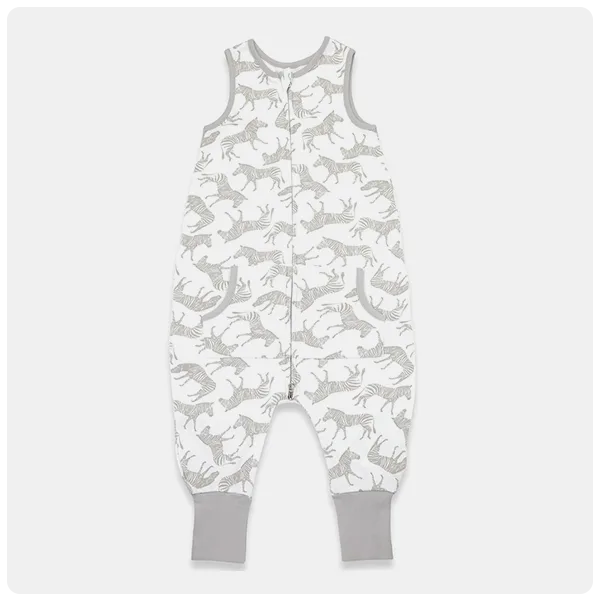
Looking for a toddler sleep sack with legs that won’t stretch your budget? The Bublo Baby Toddler Sleep Sack with Feet offers many of the same practical features parents love at a much lower price tag, priced at around $15.
Mobility is key once toddlers are up and moving, and this sleep sack delivers. Even at its lower price point, the Bublo sleep sack impressed our tester, Christine with its functional design. She praised the freedom of movement her 22-month-old toddler had while wearing it, sharing that he was able to “walk, run, and play in the morning when he woke up”, which she appreciated because it meant she didn’t have to take it off immediately upon waking.
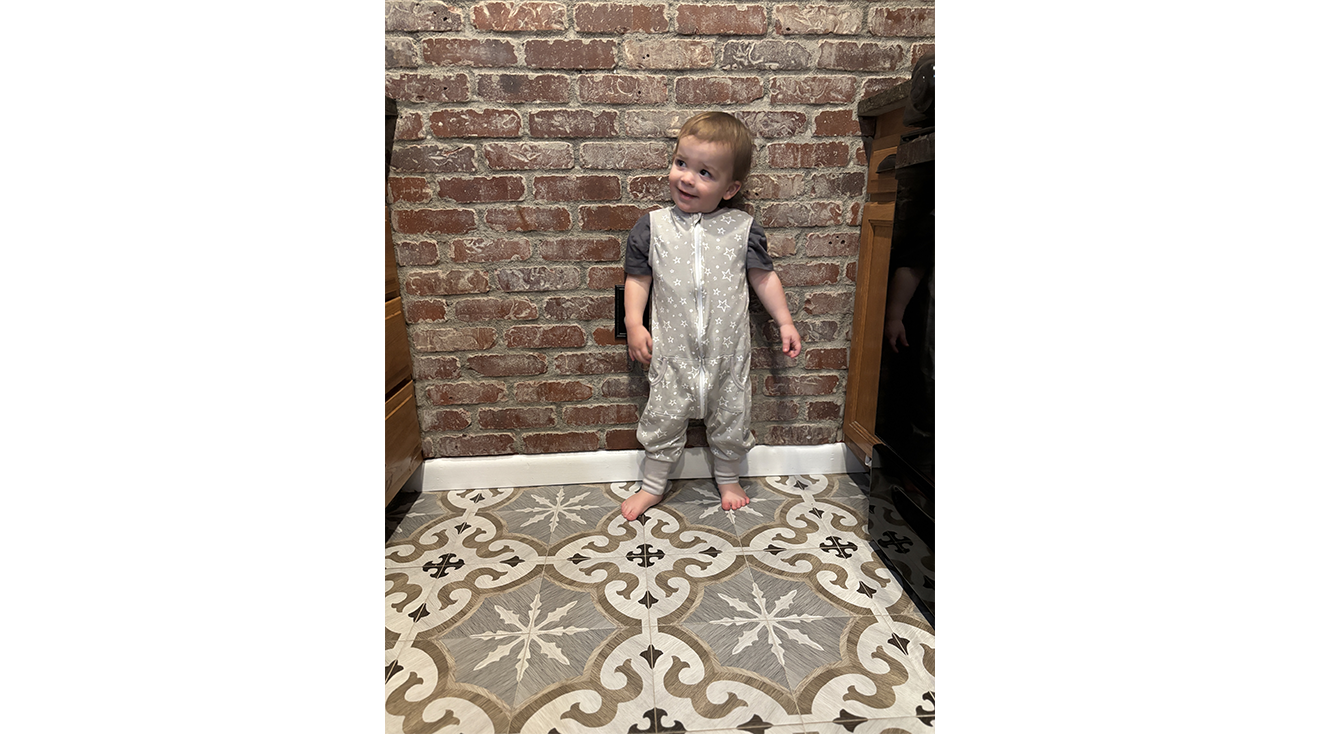
The sleep sack also exceeded our tester’s expectations with other useful features, including a two-way zipper, breathable cotton material, and a super easy washing and drying process. The two-way zipper made diaper changes “very simple”, according to Christine. However, she did note that the zipper was a bit noisy compared to other premium sleep sack options––something to consider for overnight diaper changes. Otherwise, the zipper worked very well and even had a fabric zipper guard for skin protection at the neckline.
The cotton material received a 10/10 rating for being soft, breathable and lightweight. Christine was wowed by the quality of the sleep sack, stating “the fabric and stitching seem like they will hold up beautifully in the wash and with extended use over the next several months”. Best of all, the Bublo sleep sack is machine washable, dryer-friendly and dries quickly, making the care process no-fuss and ultra-convenient for busy parents.
The Bublo Baby Toddler Sleep Sack with Feet proves you don’t need to break the bank for a sleep sack that is functional, comfortable, and comes with the same great features as other brands.
Size range: 12m-24m, 2T-3T, 3T-4T | Material: Cotton | TOG rating: 0.5 | Care instructions: Machine wash
Our product tester says:
“While other sleep sacks can be double that price (or more), the Bublo Baby has many of the great features (double zipper, breathable, lightweight fabric, feet for mobility) as a more expensive sleep sack, it is priced under $20, which I think is more than fair.”
Best baby and toddler sleep sack for easy diaper changes
- Four-way diaper zipper
- Cozy and hypoallergenic microfiber fill
- Warm without being heavy
- May be too warm for summer
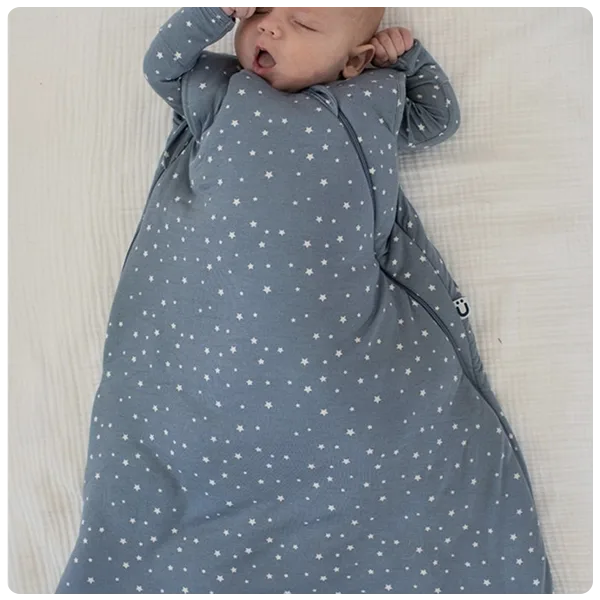
Whether you’re still changing diapers every few hours or in the throes of toddler potty training, having a sleep sack with easy diaper access can make a huge difference. That’s why the günamüna Sleep Sack is our standout pick for best baby and toddler sleep sack for easy diaper changes. Its unique four way diaper zip design makes middle-of-the-night changes faster, quieter, and far less disruptive.
günamüna calls its four way zip design the WONDERZiP—a wraparound zipper system that opens from multiple points along the bottom of the sack. I could unzip the sleep sack almost completely into a roomy “U” shape, giving me full access to my baby’s diaper without wrestling him out of the sack. Even better, the zippers glided smoothly without snagging or stiffness, making it easy to get on and off even with a wiggly baby.
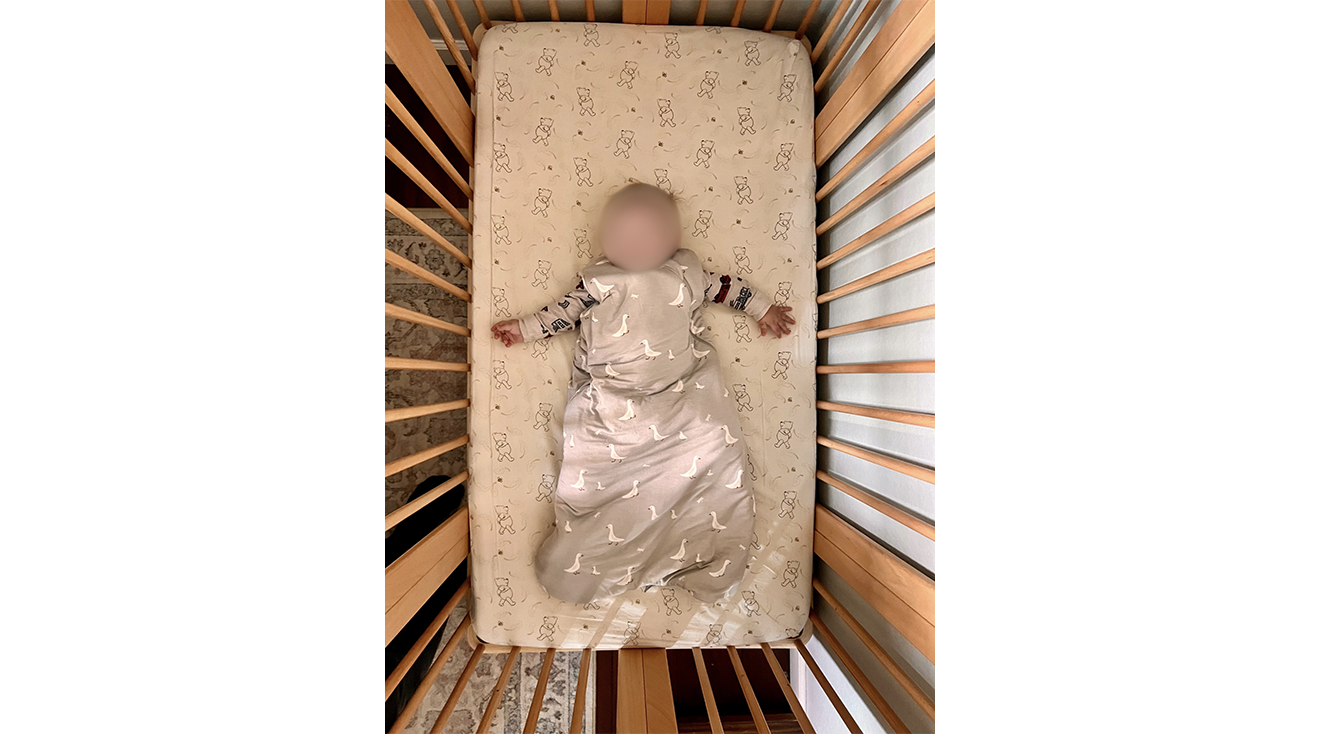
Comfort is another major plus. Made from bamboo rayon with a down-alternative fill, the material was incredibly soft and plush––almost like a wearable duvet. I felt confident using this sleep sack for my baby’s bedtime and naps because of how cozy and inviting the fabric felt. That said, despite the 1.0 TOG rating, this sleep sack runs warmer than expected thanks to its thick, insulated feel, so it may not be the best choice for hot climates or summer months.
The günamüna sleep sack was roomy enough for natural movement, but still snug and secure. The thicker material definitely contributed to the snug and hug-like feel which encouraged my baby to have more settled sleep thanks to the sensation of being snuggled. Overall, the günamüna sleep sack was designed with parents and babies in mind, from the ultra-soft materials and exceptional diaper-change ease—making it a smart choice for families who want added convenience without sacrificing comfort.
Size Range: 3m-9m, 9m-18m, 18m-24m, 24m-36m | Material (shell): 95% bamboo viscose/5% spandex | Material (fill): Microfiber | TOG rating: 1.0 | Care instructions: Wash on gentle cycle with like fabrics in cold water
Our product tester says:
“This [diaper change] process was very quiet and quick thanks to the smooth zipper and no extra fasteners or buttons to deal with. I’m sure I would be able to do it even in low-light or semi-darkness and as long as my baby was laying on his back, I would totally be able to change his diaper without waking him up if I needed to.”
Best baby and toddler sleep sack for all seasons
- Suitable for all seasons
- Good sizing options
- Useful carseat opening
- Expensive
- Special care process
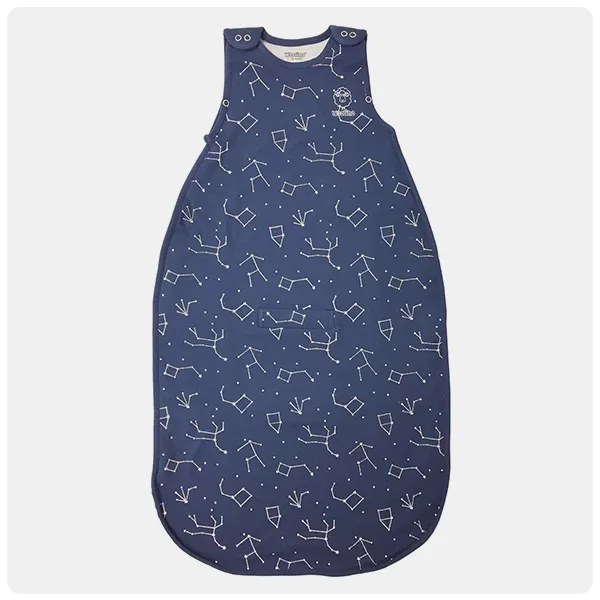
Hate the idea of owning separate sleep sacks for every season (and adding even more laundry to your rotation)? An all-season baby and toddler sleep sack might be the solution for you. The Woolino Sleep Sack stands out as the best baby and toddler sleep sack for all seasons, thanks to its naturally temperature-regulating Merino wool that’s cozy in the winter and breathable during the summer.
Not only was it loved by our parent testers, merino wool is also recommended by experts. “Merino wool is both moisture-wicking and temperature-regulating, and can naturally help babies keep warm when it’s chilly and cool when it’s warmer”, explains Greenleaf. She says It can be especially helpful in homes where room temperatures fluctuate.
When I put Woolino to the test at bedtime, my baby stayed at a comfortable temperature throughout the night and I never worried about him overheating. The fabric feels thin but still substantial––more like a soft quilt than a heavy blanket.
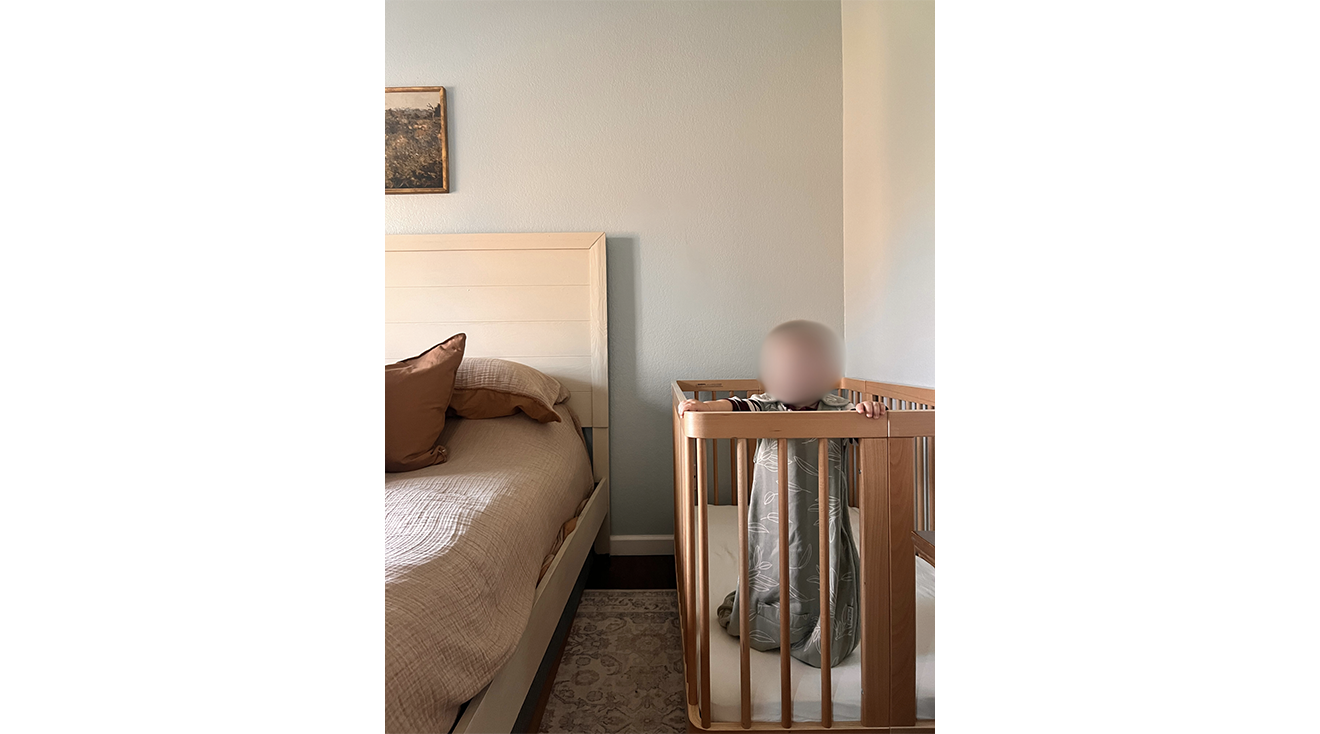
Woolino also achieved high testing scores in sizing and fit, fastener quality and design features. While I was initially skeptical about the brand’s claims to accommodate 2 months to 2 years, I pleasantly surprised how well it fit my 9-month-old baby. The Woolino sleep sack was long and roomy, but the snaps along the arms were useful in adjusting the fit to make it more snug for my baby. There was quite a bit of room for growth considering the extra material on the bottom, but it didn’t seem to be an excessive amount that would be restrictive or uncomfortable. In fact, my son was able to pull himself up on the crib and cruise along the sides while still wearing the sleep sack.
This sleep sack had two shoulder straps with clasps and a few additional clasps on each side of the arms for fit adjustment. It also featured a two-way zipper that worked smoothly and included a zipper guard to protect my baby’s skin. One touch I thought was particularly thoughtful was the seatbelt opening—when we were out in the evenings, it was so convenient to dress my baby in the sleep sack before heading home and seamlessly transfer him to the crib after he dozed off.
At $109, Woolino is definitely a splurge—but for families looking for durability, natural materials, and true year-round usability, it's a smart option, and a durable sleep sack that can be used across multiple seasons and stages.
Size Range: 2m-2y, 2y-4y | Material: Merino wool | TOG rating: N/A | Care instructions: Machine wash on low (100 F max), use wool or mild detergent
Our product tester says:
“The material definitely felt unique—thin but still had some weight to it, soft to the touch but not blanket-like, and very smooth and cool.”
Best baby and toddler sleep sack for hot weather
- Lightweight organic cotton muslin material
- Cute design options
- Bottom zipper for diaper access
- Excess material could be tripping hazard
- Zip guard can be obstructive
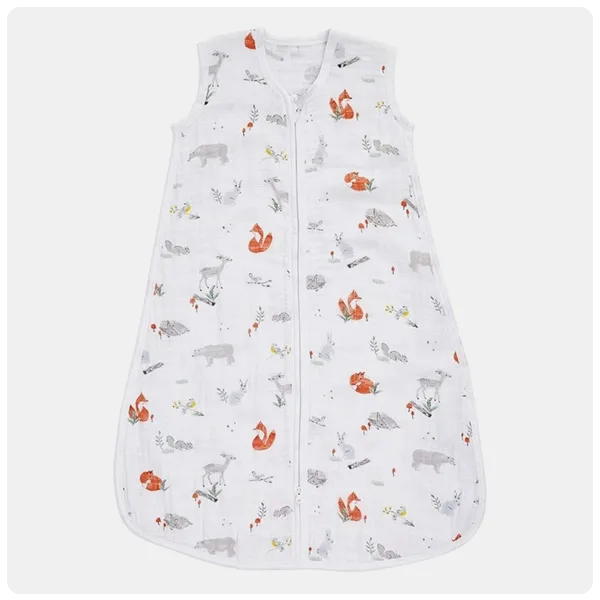
If you have a baby that tends to run warm or you live in a hot climate, you’ll want a sleep sack made from thin, breathable material. The aden + anais boutique 100% cotton muslin light sleep sack TOG 1.0 stood out in testing exactly for that reason. Made from a single layer of airy ultra cotton muslin, it was the most breathable option we tested and our top choice for best baby and toddler sleep sack for hot weather.
As someone who lives in California and experiences annual triple-digit heat waves, I know how important lightweight sleepwear can be for preventing overheating. Muslin is especially well-suited for summer months and hot climates because its open weave allows for more airflow and retains less heat than jersey or quilted fabrics. When testing the aden + anais sleep sack with my 9-month-old, I found the thin single layer of cotton muslin to be very breathable and lightweight. Our toddler tester, Christine, echoed this experience, calling the sleep sack “super lightweight and easily the most breathable sleep sack that I tested,” adding that the “airy gauzy feel of this fabric is nice and cool for hot nights.”
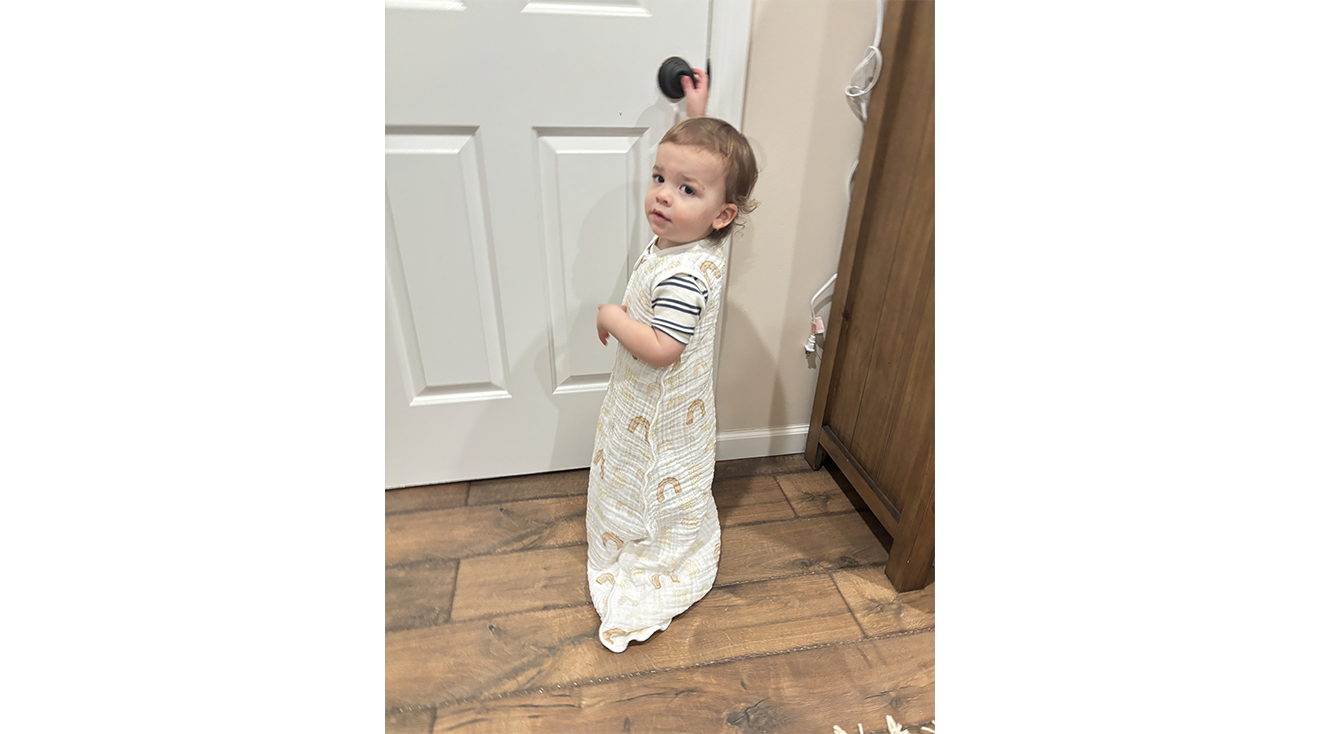
That said, there are a few practical considerations. We both noted that the sack runs long, which can feel overly roomy for toddlers to walk around in before bed. I also found the zipper was a bit cumbersome in securing my wriggly baby. Diaper changes weren’t as seamless for me as with other options I tested.
Still, if your main priority is keeping your little one cool and comfortable during warmer months the aden + anais boutique cotton muslin light sleep sack TOG 1.0 is a solid choice––especially for summer months or homes kept on the warmer side.
Size Range: 0-6m, 6m-18m, 18m-36m | Material: 100% cotton muslin | TOG rating: 1.0 | Care instructions: Machine washable
Our product tester says:
“The airy gauzy feel of this fabric is nice and cool for hot nights and the open-gauze weave makes it the most breathable option I tested. My son felt the perfect temperature. Not too warm or too cool.”
Best baby sleep sack for first-time-parents
- Ultra-soft cotton and camel wool material
- Breathable back and arms design
- Temperature indicator sticker
- Fold over cuffs
- Embroidery service offered
- May be too thick for warmer weather
- Shorter wear period due to size
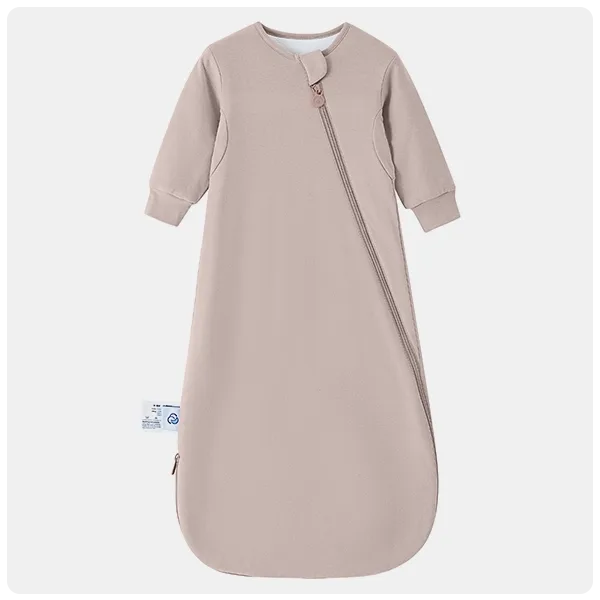
Parenting comes with a lot of anxieties, but worrying if your baby is at a comfortable temperature at night shouldn’t be one of them. Equipped with an ultra-soft but breathable camel wool fabric and a temperature sensing sticker, the Kaiya Baby All Season Long Sleeve Sleep Sack might make the nights a little less tense for first-time moms and dads.
Made with an organic cotton shell and a camel wool blend fill, this sleep sack stood out immediately during testing for its softness and warmth––it reminded me of a favorite, lived-in hoodie sweatshirt. At the same time, the material didn’t seem overly thick or stifling for my baby thanks to the thinner and more breathable cotton material on the back and arms, which helped strike a nice balance between cozy and breathable. Because it’s long-sleeved and fairly substantial for a 1.0 TOG, this is a sleep sack I’d reach for most during winter and transitional months rather than peak California heat.
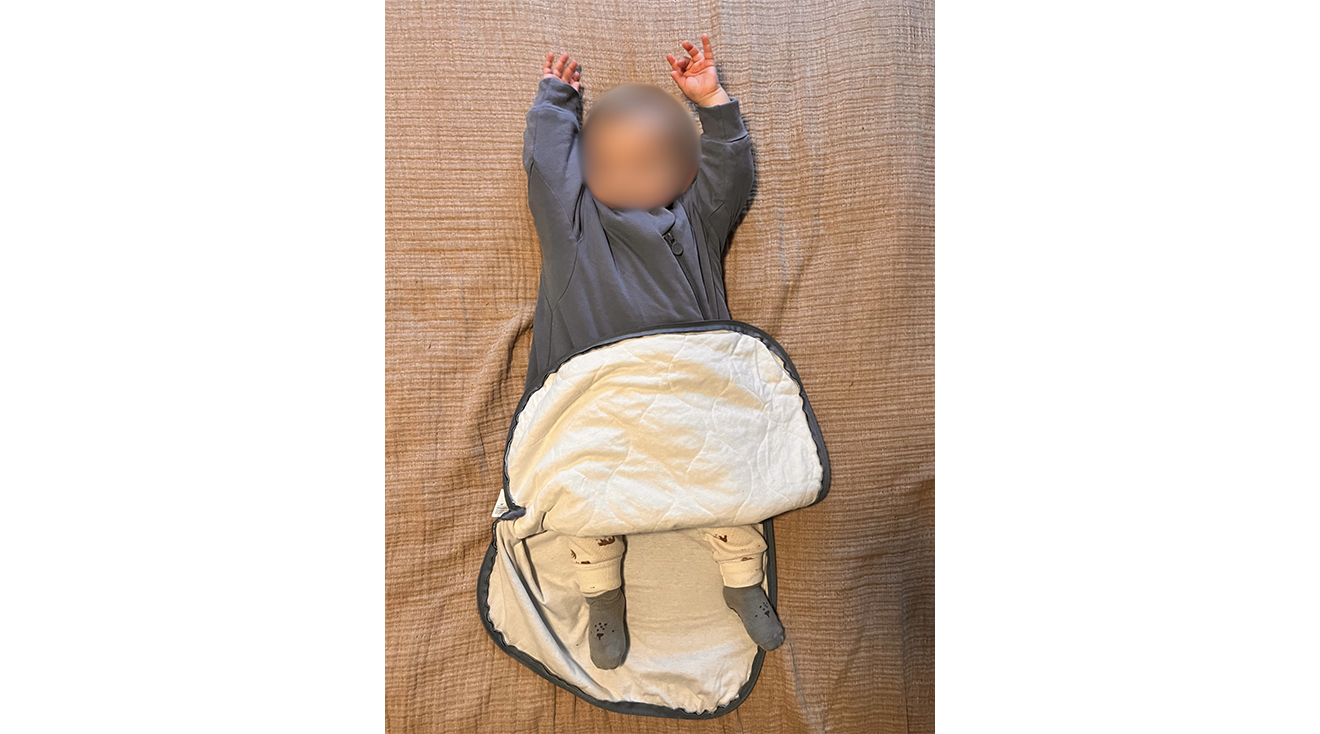
Of course lots of sleep sacks have breathable fabric, but this one takes it up a notch with a temperature-sensing sticker on the inner part of the zipper, which offers quick peace of mind with just a glance. The temperature sensing sticker is sensitive enough to change colors when baby gets too hot. While I’m mostly relying on mom-instinct with baby number three, this would have been an especially useful feature for me with my first child.
Other thoughtful features include the fold over cuffs for added safety and warmth (and to help prevent scratching), a two-way zipper guard for easy diaper changes and the option to personalize the sleep sack with embroidery––a sweet touch if you’re looking for a gift for new parents.
At around $70, the Kaiya Baby sleep sack is still an investment, but certainly doesn’t lack in quality or craftsmanship. Standout comfort, a temperature sensing sticker, fold-over cuffs and breathable panels to prevent overheating make bedtime feel a little more reassuring, especially in those early months.
Size range: 0-6m, 6m-18m, 18m-3T | Material (shell): 100% cotton | Material (fill): 30% camel wool/70% polyester | TOG rating: 1.0 | Care instructions: Machine wash (40 C/104 F) and use a laundry bag for the best result
Our product tester says:
“I’d recommend the Kaiya Baby sleep sack to other parents. It would be especially helpful for new parents who worry if their baby is warm or cool enough during sleep because of the unique temperature sensing sticker.”
Baby and Toddler Sleep Sacks Comparison Chart
| Overall best baby and toddler sleep sack | Best budget-friendly baby and toddler sleep sack | Best toddler sleep sack with legs | Best budget-friendly toddler sleep sack with legs | Best baby and toddler sleep sack for easy diaper changes | Best baby and toddler sleep sack for all seasons | Best baby and toddler sleep sack for hot weather | Best baby sleep sack for first-time-parents | ||
|---|---|---|---|---|---|---|---|---|---|
Overall Best Halo SuperSoft Bamboo Wearable Blanket TOG 1.5 | Hudson Baby Unisex Baby Plush Sleeping Bag, Sack, Blanket | Tealbee Dreamsuit | Bublo Baby Toddler Sleep Sack with Feet | günamüna Sleep Sack 1.0 TOG | Woolino 4 Season Ultimate Baby Sleep Bag, Merino Wool & Organic Cotton | aden + anais boutique 100% cotton muslin light sleep sack TOG 1.0 | Kaiya Baby All Season Long Sleeve Sleep Sack 1.0 TOG | ||
| Price | $$ | $ | $$ | $ | $$ | $$$ | $$ | $$ | |
| Sizes | S to XL | 0-6 months to 18-24 months | 12M-2T, 2T-3T, 3T-4T | 3-6M to 3-4T | 3m-9m to 24m-36m | 2m-2y, 2y-4y | 0-6 months to 18-36 months | 0-6m, 6m-18m, 18m-3T | |
| Material | 100% bamboo-viscose (shell), 100% polyester (fill) | Polyester | 70% bamboo rayon/30% cotton | Cotton | 95% bamboo viscose, 5% spandex | 100% Merino wool (lining), 100% cotton (outer) | Cotton muslin | 100% cotton shell; Filling: 30% Camel Wool, 70% SORONA® Polyester | |
| TOG rating | 1.5 | N/A | 1.5 | 0.5 | 1.0 | N/A | 1 | 1 | |
| Footed or closed | Closed | Closed | Footed | Footed | Closed | Closed | Footed | Closed | |
| Number of color options | 8 | 3 | 4 | 17 | 13 | 22 | 4 | 11 | |
| Buy NowRead Full Review | Buy NowRead Full Review | Buy NowRead Full Review | Buy NowRead Full Review | Buy NowRead Full Review | Buy NowRead Full Review | Buy NowRead Full Review | Buy NowRead Full Review |
Sleep sacks and swaddles may look similar, but they’re actually two distinct baby products that serve different purposes.
Alexis Phillips-Walker, DO, a pediatrician at Memorial Hermann Medical Group Pediatrics in Atascocita, Texas, defines a swaddle as “a type of cloth wrap used to tightly wrap a newborn or young infant. It entails snugly wrapping a baby’s arms and torso to mimic the sensation of being in the womb.” She explains that swaddles are believed to prevent the startle reflex, which can promote better sleep by helping newborns feel secure and supporting body temperature regulation. “Swaddles should be used in younger infants up to 3 to 4 months old when they start to roll over,” Phillips-Walker explains.
On the other hand, “sleep sacks are wearable blankets designed for young infants and children,” she says. Unlike swaddles, sleep sacks for babies and toddlers don’t restrict arm movement and are typically worn over baby’s sleepwear to provide added warmth and comfort—without posing the suffocation risk associated with loose blankets. “Sleep sacks are often used beyond the swaddling stage and are appropriate for babies who can roll over and have more control of their movements,” Phillips-Walker adds.
On the hunt for a snuggly sleep sack for your baby or toddler? As you browse, keep the following tips in mind:
- Size. First and foremost, you’ll want to make sure you choose a sleep sack that’s the correct size for your kiddo. Parents should check the brand’s age, weight and height details before purchasing. It shouldn’t “be too tight and restrictive (which could be uncomfortable and limiting to toddlers), and we also don’t want it to be too loose,” explains Jillian Thistel, a certified pediatric sleep consultant and founder of Twinkling Stars Pediatric Sleep Consulting in Ontario, Canada. For babies, proper fit around the neckline is especially important. The “neck opening fits snugly at the base of the neck and shoulders to prevent the fabric from sliding up over the baby’s chin or mouth,” adds Arielle Greenleaf, a certified pediatric sleep coach and coach trainer. “You should not be able to pull the sleep sack up over your baby’s face when they’re lying down,” she adds.
- TOG rating. Unique to sleep-related products, a TOG rating indicates warmth level, helping parents choose the right sleep sack for different climates and seasons. As Taubenblat explains, “0.5 will give you the warmth of a top sheet, 1.0 will give you the warmth of a regular blanket, and 2.0 and up will give you the warmth of a heavy blanket.” She also notes a helpful rule of thumb: “You generally only want to dress your baby for sleep in one more layer than you are currently wearing. So if it’s comfortable for you to sleep in PJs and a blanket, then you would not want to dress your baby in anything warmer than an undershirt, PJs and a 1.0 TOG sleep sack.”
- Material. When choosing a baby sleep sack, Taubenblat recommends natural fabrics such as cotton, bamboo and merino wool. “Your baby’s nervous system is interacting with every fabric it comes in contact with––and natural fibers will lead to greater regulation, which has a massive impact on their sleep.” That said, Greenleaf reminds that “no fabric is better than another, just be sure you’re taking into consideration the temperature in their room and whether they tend to run hot.” Cotton is a great breathable option for both babies and toddlers, while bamboo or merino wool may be better suited for warmer or sweatier sleepers thanks to their moisture-wicking properties.
- Zippers. Well-designed sleep sacks often feature dual or two-way zippers, meaning you can change baby’s diaper without removing the sleep sack entirely. According to parents in The Bump community, two-way zippers are a must-have feature for convenience.
When shopping for baby and toddler sleep sacks, you’ll come across a few different types of styles. The best one for your child will be based on their current age and developmental stage. Here’s a quick breakdown of the main types of sleep sacks:
- Swaddle-style sleep sacks. This design offers an easy-to-use alternative to traditional swaddles, making them a great option for newborns. These wearable blankets gently restrict baby’s arms, which can help curb the Moro reflex (also known as the startle reflex—the reaction that makes babies suddenly jerk awake). Taubenblat recommends this type of sleep sack as a helpful bridge when transitioning out of swaddling, since it “gives a slight restriction similar to a swaddle but much more mobility like a sleep sack.”
- Standard sleep sacks. A standard sleep sack keeps baby’s feet and body safely tucked inside while leaving their arms free to move. This style is safe to use from infancy through toddlerhood, as it provides plenty of mobility thanks to the armholes. Unlike swaddle-style designs, standard sleep sacks are typically secured with full-length zippers, providing easy access for diaper changes.
- Sleep sacks with legs. Unlike standard sleep sacks with a closed-bottom design, sleep sacks with legs feature separate leg openings that allow toddlers to walk and move around safely without tripping. “Footed sleep sacks are amazing for toddlers who sleep in floor beds or have moved to a toddler bed. It gives them more freedom to move around and get out of bed on their own as it doesn’t restrict their leg movement,” says Taubenblat.
For many parents, sleep sacks are a non-negotiable purchase for babies and toddlers––and for good reason. When used correctly, sleep sacks are the safest way to keep babies warm at night. Understanding sleep sack safety starts with knowing the basics of safe sleep and how these wearable blankets fit within those guidelines.
The American Academy of Pediatrics (AAP) recommends that babies be placed on their backs to sleep, on a firm, flat surface, with no loose bedding, pillows or soft objects in the crib or bassinet. Since loose blankets can pose a suffocation hazard and increase the risk of SIDS, the AAP advises parents to not use of them in baby’s sleep environment until at least 12 months of age. According to the organization, “infant sleep clothing, such as layers of clothing or a wearable blanket or sleep sack, is preferred over blankets and other coverings to keep a baby warm”.
While sleep sacks are a much safer alternative to traditional blankets, there are still a few safety considerations to keep in mind when choosing one. The AAP warns that “weighted swaddles, weighted clothing or weighted objects on or near the baby are not safe and not recommended.” This includes weighted sleep sacks, which may be harmful to infants. In keeping with this guidance, we have not tested or recommended any weighted sleep sacks in this article.
Fit is another key factor. For armholes, pediatric sleep consultant Riki Taubenblat of Baby Sleep Maven offers this tip: “Observe your baby while they’re wearing the sleep sack and watch how they move around. If you can see their chest or back through the armhole when they move (or if it flaps or gaps open), then the armholes are too big.”
Many parents also wonder when sleep sacks are safe to use. Once baby begins to show signs of rolling over (often around 8 weeks), parents should stop using swaddles or sleep sacks that compress the arms, chest or body. However, the AAP notes that “sleep sacks that do not swaddle and allow the baby to move freely can be used as long as you want.” Sleep sacks can also safely be used beyond the 12 month mark. “Most toddlers do not do a great job of keeping blankets on, even when they are old enough to have in the crib with them,” says Greenleaf. “Sleep sacks are great for keeping them warm.” Even after graduating to their “big kid” beds, toddlers can continue to use sleep sacks with legs for added mobility.
Temperature regulation is another important safety consideration. Overheating is a known risk factor for SIDS, so choosing the right TOG rating matters. TOG measures the warmth of a sleep sack’s fabric. Lower TOG ratings (0.2-0.5) are designed for warmer rooms or summer months, mid-range TOGs (1.0-1.5) work well for moderate temperatures and higher TOGs (2.5 and above) are intended for cooler temperatures.
Greenleaf suggests choosing TOG levels based on your child’s room temperature rather than the seasons. “If it’s the winter but your child’s room remains the same temperature year round, you do not need a higher TOG,” she explains. “However, if you have a drafty home that gets cooler in the winter, you may consider a higher TOG.” To prevent overheating, Greenleaf reminds parents to avoid over-layering and recommends skipping fleece or warmer pajamas underneath the sleep sack.
Frequently Asked Questions
How long can baby use a sleep sack?
According to Thistel, “the length of time that a baby uses a sleep sack is really dependent on the individual baby;” there’s no cut-off age or timeline. That said, Loretta Cody, MD, a board-certified pediatrician based out of Connecticut, recommends always checking the manufacturer’s size and weight guidelines to ensure a proper fit.
How many sleep sacks do I need?
Phillips-Walker advises new parents to have between three and six sleep sacks on hand. “This ensures there is a backup in case one gets dirty,” she explains. She also recommends having sleep sacks in different fabrics to accommodate changing temperatures throughout the year.
We also asked parents from The Bump community how many wearable blankets they keep available, and most agreed that two to four sleep sacks is a practical number for infants and toddlers.
When should toddlers stop using a sleep sack?
There isn’t a specific age at which toddlers need to stop using sleep sacks. That said, “it typically makes sense to transition them away from the sleep sack around the time that they transition to a bed (which is usually around the age of 3 years old),” explains Thistel.
For some children, this transition happens earlier if the sleep sack no longer works for them, while others may prefer to keep using one longer. Thistel reassures parents that the timeline will look different for every child. “We have 3 children (including twin toddlers): our oldest son slept with his sleep sack until the age of 2, one of our twins was ready to transition out of her sleep sack when she was 2.5 years old, and our other twin preferred to stay in her sleep sack until she was 3 years old,” she shares.
How do I transition my child out of a sleep sack?
Is your tot ready to graduate from a toddler sleep sack into “big-kid” bedding? “Thankfully the transition out of the sleep sack isn’t usually a challenging transition (especially when compared to the transition out of the swaddle!),” says Thistel. If your child is showing signs of readiness, Thistel suggests talking about the change ahead of time. “Having open dialogue can help them prepare, especially if they are very attached to their sleep sack,” she explains. Rather than removing the sleep sack from their bedtime routine all at once, she recommends doing so gradually.
“One strategy that I really love is having the toddler choose a new, small, light blanket that you can introduce, to start getting them used to sleeping with a blanket before you take the sleep sack away completely,” recommends Thistel. She advises parents to dress their little ones in a lightweight sleep sack, while placing their blanket of choice over them as they rest. Once they’re comfortable, you can remove the sleep sack entirely. She notes that “it may take some time for your toddler to keep a blanket on all night, and that’s okay! Give them some time and practice to get used to the new change.”
What signs might indicate a child is too warm in a sleep sack?
“The most reliable way to check your baby’s body temperature is to feel the back of their neck,” says Taubenblat. “If the back of their neck is warm, your baby is probably warm. But if the back of the neck feels cool, you might want to add another layer.” Other signs that might indicate a child is too warm include sweating, fast or shallow breathing, restlessness or frequent wake ups and flushed cheeks.
Are sleep sacks still appropriate for babies who are rolling, sitting, or pulling to stand?
Yes, sleep sacks can be used for each of these developmental milestones. Greenleaf reassures parents that “it is perfectly safe for them to roll, sit, and pull to a stand in the crib with the sleep sack” as long as they remain inside their crib. For safe mobility outside of the crib, however, the sleep sack should be removed.
About the writer
Diana Sushch is a California-based mom of three kiddos under the age of five, which means she’s tested more baby and toddler sleepwear than she can count. As a contributor for The Bump, she specializes in hands-on testing of baby and toddler products and brings real-life parenting experience to her work.
Plus, more from The Bump:
Loretta Cody, MD, is a board-certified pediatrician based out of Connecticut. She received her medical degree from New York Medical College and completed her residency at Yale New Haven Children's Hospital.
Arielle Greenleaf is a certified pediatric sleep coach and coach trainer. She is the Founder and Owner of Expect to Sleep Again Sleep Consulting and has been ranked as a top 200 sleep consultant in the United States by Tuck Sleep.
Alexis Phillips-Walker, DO, is a pediatrician at Memorial Hermann Medical Group Pediatrics in Atascocita, Texas. She earned her medical degree from Ohio University College of Osteopathic Medicine in Athens.
Riki Taubenblat is a three-times certified holistic sleep specialist and the CEO and founder of Baby Sleep Maven, which has served over 2,000 families in the past eight years.
Jillian Thistel is a certified pediatric sleep consultant in the Greater Toronto Area in Ontario, Canada. She is a member of the Association of Professional Sleep Consultants and founder of Twinkling Stars Pediatric Sleep Consulting.
American Academy of Pediatrics, Safe Sleep, July 2025
Healthy Children (AAP), Swaddling: Is it Safe for Your Baby?, July 2022
Target Baby Registry
Free $100+ Value Welcome KitFree $100+ Value Welcome Kit
15% Completion Discount15% Completion Discount
Free 1-Year ReturnsFree 1-Year Returns
20+ Exclusive 20% Off
Deals For Mom & Baby20+ Exclusive 20% Off Deals For Mom & Baby1:1 Concierge With
Baby Gear Specialists1:1 Concierge With Baby Gear Specialists

*Subject to availability and Retailer's terms.
We earn commissions from these links.