



























What Is Vernix Caseosa and How Does It Protect Baby?

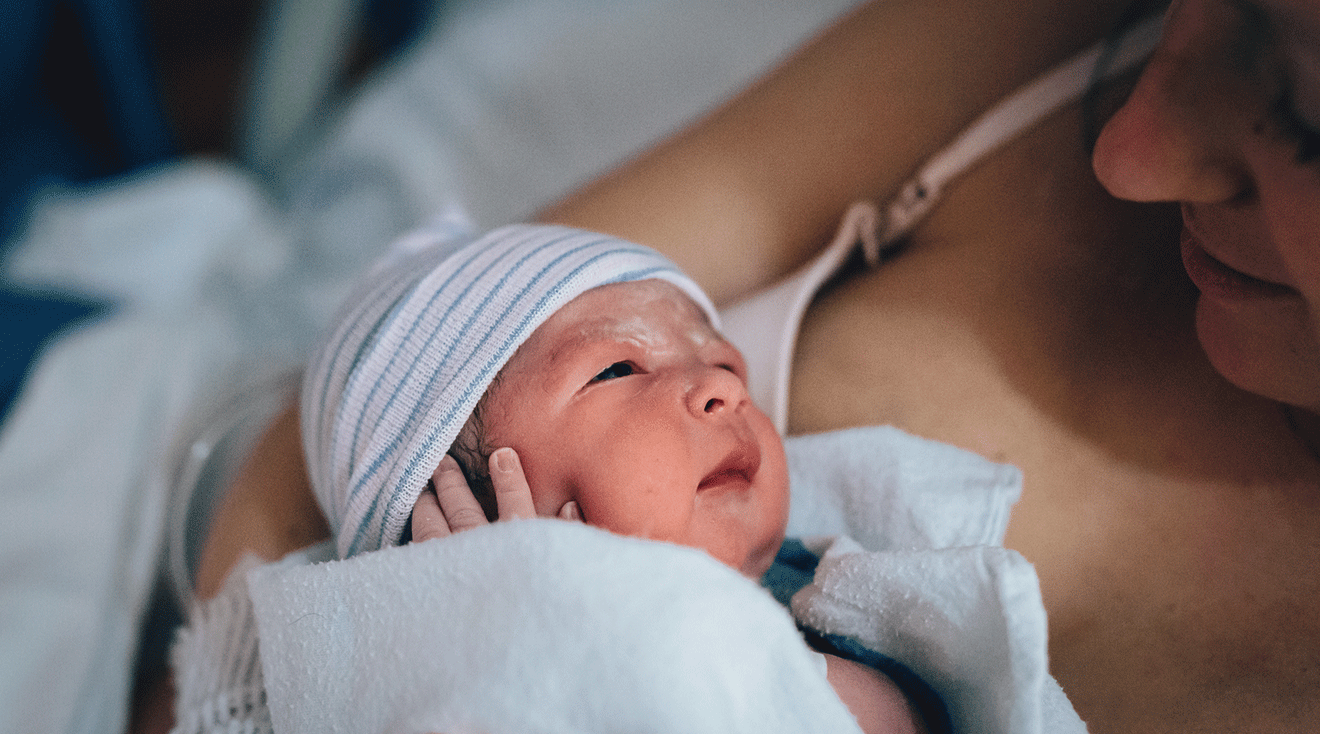

Newborn photos often show babies with picture-perfect clear skin—but it’s far from common for little ones to actually be born that way. Instead, most babies are born coated in something called vernix caseosa, a white, creamy-looking substance. If you’re not familiar with vernix caseosa, you might be surprised to see baby covered in goo when they make their entrance into the world. But vernix on baby has plenty of benefits for baby’s skin and overall health. So, exactly what is vernix caseosa and what does it do? Here, experts break it down.
Vernix caseosa is a white, creamy biofilm that covers baby’s skin during the third trimester. This coating protects baby’s skin and helps the skin adapt to life outside the womb. “It’s a protective layer for babies’ skin,” says Christine Greves, MD, FACOG, an ob-gyn at the Orlando Health Women’s Institute.
Every baby’s different, but babies born preterm generally tend to have more vernix caseosa, experts say. “It usually begins to wear away—sloughs off in the amniotic fluid—closer to term,” says NYC-based ob-gyn and women’s health expert Jennifer Wider, MD. “So premature babies are likely to have more of the coating when they’re born.”
Babies who are born past their due date are less likely to be totally covered in vernix, Wider says. “It’s normal for a full-term baby to have vernix caseosa,” she adds.
There are a few benefits of vernix on baby, says Daniel Ganjian, MD, a pediatrician at Providence Saint John’s Health Center in Santa Monica, California. He says some of the major ones include:
- Protecting baby’s delicate skin from amniotic fluid
- Helping regulate baby’s body temperature
- Moisturizing baby’s skin
- Reducing the risk of infection
Vernix caseosa can even serve as a lubricant during a vaginal delivery and protect baby from bacteria in the birth canal, Greves adds.
That’s up for debate. “There are no specific guidelines on how long to leave vernix caseosa on baby,” says Ganjian. “Some healthcare providers recommend delaying the first bath for 24 hours or more to allow baby to benefit from the vernix’s protective properties. Others recommend bathing baby soon after birth.” It’s best to discuss this with your healthcare provider to determine what’s best for baby, he adds.
Should you delay baby’s first bath?
The World Health Organization (WHO) recommends waiting at least six hours to bathe baby after birth, but says it’s ideal to wait 24 hours.
The American Academy of Pediatrics (AAP) also suggests delaying baby’s first bath for a few hours, citing the WHO’s guidance. The AAP lists these reasons for delaying baby’s first bath:
- Body temperature. If you bathe baby immediately, they may be more likely to become cold and even develop hypothermia.
- Blood sugar. An early bath can be stressful for babies, and that can cause blood sugar to plummet.
- Bonding and breastfeeding. Bathing baby too soon can interrupt early breastfeeding, mother-child bonding and skin-to-skin care, the AAP says. A 2013 study found that hospitals that waited 12 hours before giving baby a first bath had a 166 percent increase in breastfeeding success compared to those that bathed baby in the first couple of hours.
- Dry skin. Vernix acts as a natural moisturizer and may have antibacterial properties, the AAP says. Leaving it on can help prevent baby’s delicate skin from drying out.
There’s usually no risk with leaving vernix caseosa on a newborn “besides a slightly foul odor,” Ganjian says.
However, there are a few reasons why babies may need to have the vernix washed off quickly. Those born with chorioamnionitis, a serious bacterial infection of the placenta and amniotic fluid, or meconium staining, which is when baby’s first stool gets into the amniotic fluid, need to be bathed right away, Greves says. Babies born to HIV-positive mothers or those with hepatitis or herpes simplex virus (HSV) may also need to be bathed after the first breastfeeding, the AAP says. Some hospitals also recommend earlier bathing times for infants born to moms who are positive for group B strep. But as long as there isn’t an infection, Greves says it’s okay to leave the vernix in place.
Vernix caseosa has a lot of benefits for baby. But if you’re wondering exactly when to bathe baby after birth, make sure to talk to your healthcare provider. They should be able to give you evidence-based advice to help guide your decision.
Please note: The Bump and the materials and information it contains are not intended to, and do not constitute, medical or other health advice or diagnosis and should not be used as such. You should always consult with a qualified physician or health professional about your specific circumstances.
Plus, more from The Bump:
Daniel Ganjian, MD, FAAP, is a pediatrician at Providence Saint John’s Health Center in Santa Monica, California. He has a special interest in fighting childhood obesity with his pediatric expertise and as a certified personal trainer. He received his medical degree from the University of California, Irvine.
Christine Greves, MD, FACOG, is an ob-gyn at the Orlando Health Women’s Institute. She received her medical degree from the University of South Florida College of Medicine.
Jennifer Wider, MD, is a New York City-based ob-gyn, women’s health expert and author. She received her medical degree from the Mount Sinai School of Medicine.
Indian Journal of Dermatology, Unraveling the Mystery of Vernix Caseosa, 2008
World Health Organization, WHO Recommendations on Newborn Health: Guidelines Approved by the WHO Guidelines Review Committee, May 2017
Healthy Children (American Academy of Pediatrics), Bathing Your Baby, September 2023
Breastfeeding Medicine, Delaying the Bath and In-Hospital Breastfeeding Rates, December 2013
Cleveland Clinic, Chorioamnionitis, September 2022
Hospital Pediatrics (American Academy of Pediatrics), Variation in Newborn Skincare Policies Across United States Maternity Hospitals, September 2021
Learn how we ensure the accuracy of our content through our editorial and medical review process.
Target Baby Registry
Free $100+ Value Welcome KitFree $100+ Value Welcome Kit
15% Completion Discount15% Completion Discount
Free 1-Year ReturnsFree 1-Year Returns
20+ Exclusive 20% Off
Deals For Mom & Baby20+ Exclusive 20% Off Deals For Mom & Baby1:1 Concierge With
Baby Gear Specialists1:1 Concierge With Baby Gear Specialists

*Subject to availability and Retailer's terms.
We earn commissions from these links.