




Can You Take NyQuil While Pregnant?


One of the things that gave me a lot of anxiety while pregnant was figuring out which medications were safe for pregnancy and which were unsafe. My doctor gave me a little handbook with a chart, but I was still emailing the office to get confirmation before taking anything.
When you’ve got a bad cold while pregnant or can’t sleep thanks to the flu, that medication anxiety can skyrocket. But you also really, really want to get better. NyQuil is a common medication many of us reach for when we’re sick, but can you take NyQuil while pregnant? Read on to learn what doctors and pharmacists say.
- Can I take NyQuil while pregnant? No, NyQuil is generally not considered safe during pregnancy because it’s a multi-symptom medication. Healthcare providers prefer that moms-to-be take single-symptom medications to better control how much they’re getting.
- Classic liquid NyQuil contains 10 percent alcohol to help dissolve the formula’s ingredients and aid sleep—and alcohol is a red flag during pregnancy.
- NyQuil Severe is formulated with phenylephrine, another ingredient that isn’t considered safe during pregnancy.
The short answer here is: no. “NyQuil is generally not recommended at any stage of pregnancy due to two main high-risk ingredients: alcohol content and phenylephrine,” explains Amber Chambers, CNM, a certified nurse-midwife at Pediatrix Medical Group in Melbourne, Florida.
Liquid NyQuil has up to 10 percent alcohol, which is used to help dissolve all of the other ingredients, but no amount of alcohol is safe during pregnancy.
NyQuil Severe is formulated with phenylephrine, which Chambers says “works by constricting blood vessels.” It has been linked to a small risk of birth defects if you take it during the first trimester. Aside from this, the US Food and Drug Administration (FDA) has proposed removing phenylephrine from OTC products because research doesn’t actually show meaningful decongestant benefit.
NyQuil is a multi-symptom medication, which means it targets several issues like congestion, cough and aches and pains. To achieve this, it needs to have a combination of single-symptom medications. This could include acetaminophen (pain reliever and fever reducer), dextromethorphan (a cough suppressant) and doxylamine succinate (an antihistamine that makes you drowsy). While some of these ingredients are safe for pregnancy, others aren’t.
Doxylamine succinate, for example, is an antihistamine that causes drowsiness and helps you sleep. It’s one of NyQuil’s active ingredients and is also the same active ingredient in Diclegis/Bonjesta, an FDA-approved prescription drug for morning sickness. However, Pankti Shah, PharmD, medical writer and pharmacovigilance expert instructor at PharmaLink Academy, explains that this single ingredient isn’t concerning—it’s the fact that it’s combined with other ingredients and how it’s released.

Like many over-the-counter (OTC) medications, there are different forms of NyQuil. All aim to help with multiple symptoms, but the formulation of ingredients may vary. “Many people think all NyQuil products are the same,” says Reshma Kapadia Patel, PharmD, founder of WiseMedRx. “Some contain acetaminophen for pain and fever, some contain decongestants like phenylephrine, others contain cough suppressants or antihistamines and some are alcohol-free.” Here’s a breakdown of what’s out there.
Classic Liquid NyQuil Cold & Flu
This is the classic liquid cold and flu medicine that often comes to mind when you say NyQuil. According to Shah, a standard adult dose (30 milliliters) has 650 milligrams of acetaminophen, 30 milligrams of dextromethorphan, 12.5 milligrams of doxylamine and 10 percent alcohol. (Note that the upper per-24 hour limit for acetaminophen while pregnant is 3,000 to 4,000 milligrams—make sure to speak to your healthcare provider about dosing.)
Can you take it while pregnant? No, since it contains alcohol.
NyQuil LiquiCaps
For those who prefer pills over liquid medication, NyQuil is available in LiquiCaps (pill form). This option has the same ingredients as classic liquid NyQuil, but it doesn’t have alcohol.
Can you take it while pregnant? Maybe. Even though LiquiCaps don’t have the two red-flag ingredients (alcohol and phenylephrine), you should still talk to your doctor before taking them while pregnant given their multi-symptom formulation (multiple active ingredients).
NyQuil Severe Cold & Flu
NyQuil Severe Cold & Flu is for when you’re really struggling with an illness—and it’s not safe for pregnancy. It’s available in both liquid and pill forms and, in addition to its primary ingredients, it contains phenylephrine, “which must be avoided,” warns nurse-midwife Chambers.
Can you take it while pregnant? No. Both the liquid and capsule forms have phenylephrine, and most of the liquid forms contain alcohol as well.
NyQuil Alcohol-Free
This liquid variation is similar to the LiquiCaps in that it doesn’t contain alcohol. However, instead of doxylamine, it’s formulated with chlorpheniramine, another antihistamine.
Can you take it while pregnant? Maybe. Like the LiquiCaps, this formulation doesn’t contain any of the high-risk ingredients, but you should still talk to your doctor before taking it, especially since it contains multiple active ingredients.
While there’s a long list of off-limits medications during pregnancy, there are a handful of options for when you’re feeling your worst. Healthcare providers prefer single-symptom medications, but Dr. Carmen Farrior, MD, an ob-gyn at the University of Maryland St. Joseph Medical Center, emphasizes the importance of talking to your provider before taking anything. “Certain medical conditions, for instance, may prevent you from being able to safely take some medications,” she explains.
Pregnancy-safe cold and flu medications
Here are some medications you can take instead of NyQuil while pregnant.
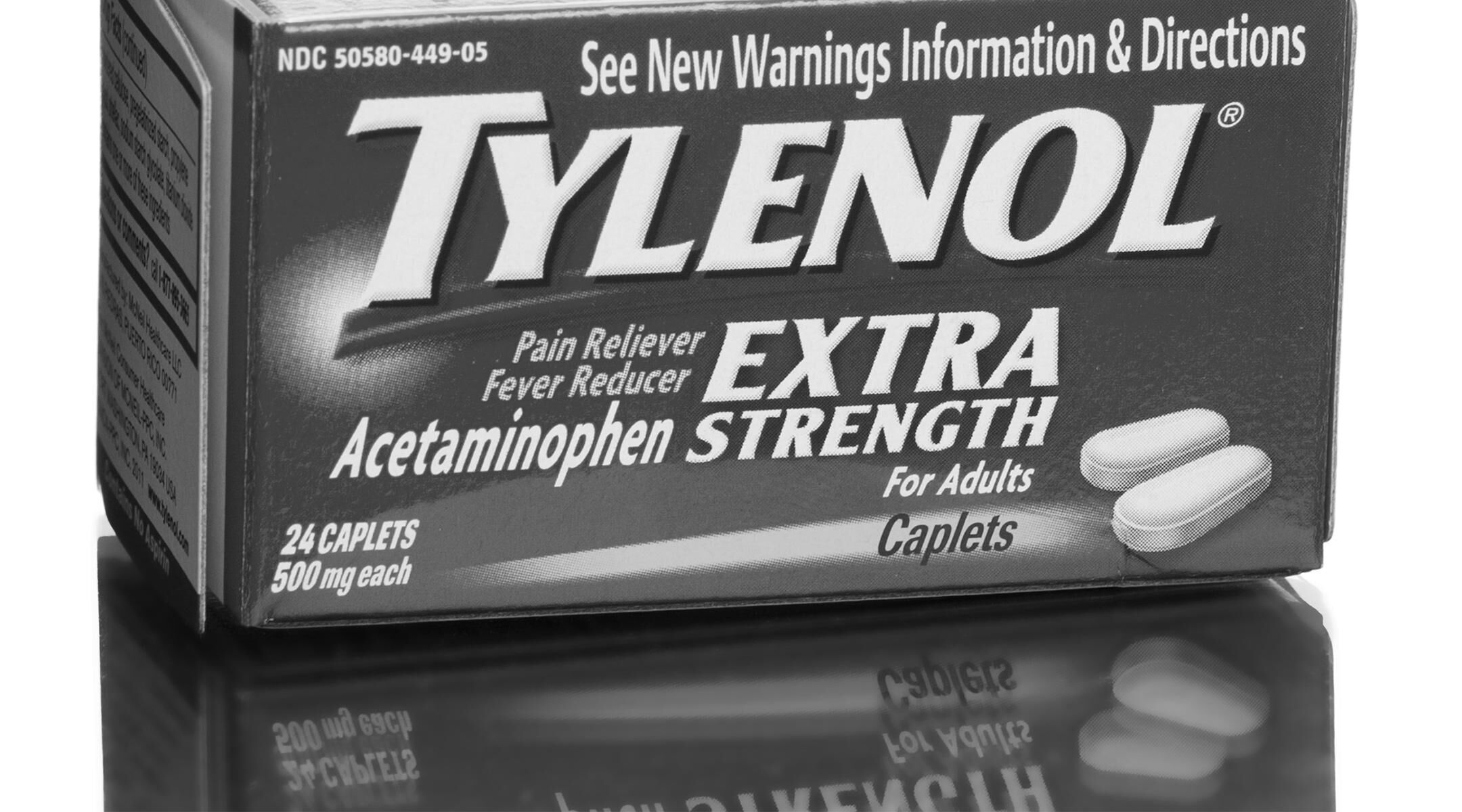
- Aches, pains and fevers: Dr. Shannon Chatham, DO, a family medicine practitioner and medical director at WISP, says acetaminophen (aka Tylenol) is the go-to. When taking acetaminophen, practitioner Chambers emphasizes taking the “lowest effective dose for the shortest duration”. “When I ended up sick during pregnancy, I was so glad Tylenol was still an option for me,” says Katie G., a mom of two in Indianapolis.
- Runny nose or sneezing: Depending on your symptom, Chambers says diphenhydramine (Benadryl), loratadine (Claritin) and Zyrtec can be good options.
- Congestion: While some decongestants, such as pseudoephedrine (Sudafed), can be safe after the first trimester, Patel says to ask your doctor since it varies based on your specific situation. (Saline and a humidifier are your best bet here.)
- Coughing: Single-ingredient dextromethorphan (such as Robitussin DM) is generally considered low-risk, says Chambers.
Natural home remedies for cold or flu
Whenever possible, Patel recommends starting with non-medication options to help you get through an illness during pregnancy. Some of the remedies she and the other experts recommend include:
- Getting plenty of rest
- Staying hydrated
- Using a humidifier
- Using saline nasal sprays
- Gargling with warm saltwater multiple times a day for a sore throat
- Swallowing a teaspoon of honey to coat a sore throat
- Drinking warm tea with lemon and honey
Safe medications and other remedies for better sleep
Whether you’re sick and unable to rest or struggling with pregnancy insomnia in general, Chambers says pure doxylamine succinate (aka Unisom) is a safe option to help you sleep.
“I couldn’t fall asleep when I was pregnant. If my mind wasn’t racing, I just couldn’t get comfortable. My doctor had me take Unisom, and it was so helpful,” says Amy F., a mom of two in Raleigh, North Carolina.
There are a few cold-and-flu-related red flags that warrant a call to your provider during pregnancy. “Any upper respiratory symptoms should be reported to a healthcare provider as soon as possible,” says Dr. Farrior. “In pregnancy, it’s important for us to diagnose flu and COVID early because we have preventative treatments available and recommended protocols for treating high-risk pregnancies at the first sign of symptoms.”
Additionally, Dr. Chambers says if you have a fever over 100.4 degrees Fahrenheit that isn’t breaking with acetaminophen, you should call your doctor. Dr. Farrior agrees and adds that any fever should be monitored for the safety of Mom and baby.
Other things that warrant a call to your provider include:
- Inability to keep fluids down
- Difficulty breathing
- Chest pressure
- Shortness of breath
- Wheezing
- Decreased fetal movement
- Vaginal bleeding
- Leaking fluid
- Regular contractions
Frequently Asked Questions
What if I accidentally took NyQuil before knowing I was pregnant?
Take a deep breath—it’s most likely fine. Still, while the risk is low with a smaller or one-time dose, it’s best to let your doctor know if you took NyQuil before you knew you were pregnant.
Can I take NyQuil in the first trimester?
“NyQuil isn’t considered to be safe at any point in pregnancy because it contains multiple medications and some forms contain alcohol,” says Dr. Farrior. There are types of NyQuil without alcohol, but you should talk to your doctor about risk factors before trying them. It’s still a multi-ingredient medication which isn’t ideal during pregnancy.
Can I take NyQuil while pregnant in the third trimester?
You should talk to your doctor before taking NyQuil, in any form, during your third trimester. “Which NyQuil product is appropriate depends on the particular form, trimester, symptoms, medical conditions and other medications,” says Shah, adding, “Pregnant patients shouldn’t independently choose a NyQuil product without having the label reviewed by their [provider].”
Can I take NyQuil while breastfeeding?
The official recommendation is not to use NyQuil while breastfeeding. The concerning ingredients include doxylamine, alcohol and possibly phenylephrine. They can be passed through breast milk, though in small amounts. In some cases, your provider may determine that the benefit of the medication outweighs any risks.
Why do doctors prefer single-symptom medications over multi-symptom ones like NyQuil?
“When it comes to taking medications during pregnancy, less is more,” says Dr. Farrior. “Many multi-symptom medications are treating symptoms that you may not have, resulting in an unnecessary medication exposure for you and baby.” Shah echoes this and notes that single-symptom products also “reduce the risk of overdose and interactions, and provide a way to use the smallest effective dose for the least amount of time.”
Is there a pregnancy-safe version of NyQuil?
There’s no type of NyQuil that’s explicitly recommended during pregnancy. “Some NyQuil formulations may be safer than others, but there isn’t a version that’s universally [safe] during pregnancy,” says family medicine practitioner Dr. Chatham. “It’s important to check the active ingredients carefully and avoid multi-symptom products when a single-ingredient medication can effectively treat your symptoms.”
Can NyQuil cause birth defects?
“NyQuil contains at least five different active ingredients, some of which are known to cause fetal harm,” says Dr. Farrior. Phenylephrine, in particular, has a small risk of birth defects, especially when taken during early pregnancy. Similarly, alcohol can also cause birth defects.
Can I take DayQuil while pregnant?
No, you shouldn’t take DayQuil while pregnant—again, the concern is the multi-symptom formulation. “DayQuil combines acetaminophen, dextromethorphan and oral phenylephrine,” says Shah, noting that while acetaminophen and dextromethorphan can be safe and useful, the safety of phenylephrine is unknown.
When you’re feeling crummy during pregnancy, NyQuil shouldn’t be your go-to remedy. “Always remember that no medication is 100 percent risk-free during pregnancy,” says Dr. Chambers, adding, “The physiology of pregnancy alters how your liver and kidneys process drugs.” In general, it’s safer to reach for single-ingredient medications than multi-symptom formulas like NyQuil (even if it’s an alcohol- and phenylephrine-free formula)—but you should never take any medication during pregnancy without talking to your doctor first.
We know that having a cold or the flu during pregnancy is no picnic. With so many products marked as off-limits, it’s no wonder that some parents are concerned about using NyQuil while pregnant. To help provide guidance on this topic, we spoke to an ob-gyn, a family medicine practitioner, a certified nurse-midwife and two pharmacists. We also spoke to real-life moms to learn their thoughts and experiences with being sick during pregnancy.
After editing, this article was vetted through fact-check and reviewed by our ob-gyn medical adviser. Learn more about how we ensure the accuracy of our content through our editorial and medical review process.
About the author: Ashley Ziegler is a mom of two who experienced some rough symptoms during pregnancy and felt overwhelmed by the possible risks of taking OTC medication. She’s also an experienced health, pregnancy and parenting writer with work appearing in publications including Scary Mommy, Romper, Pregnancy & Newborn, Everyday Health and more.
Please note: The Bump and the materials and information it contains are not intended to, and do not constitute, medical or other health advice or diagnosis and should not be used as such. You should always consult with a qualified physician or health professional about your specific circumstances.
Plus, more from The Bump:
Amber Chambers, CNM, is a certified nurse-midwife at Pediatrix Medical Group in Melbourne, Florida. She earned her degree from Frontier School of Midwifery & Family Nursing.
Dr. Shannon Chatham, DO, is a family medicine practitioner and medical director at WISP. She earned her medical degree from the West Virginia School of Osteopathic Medicine.
Dr. Carmen Farrior, MD, is an ob-gyn at the University of Maryland St. Joseph Medical Center. She earned her medical degree from the University of Medicine and Dentistry of New Jersey.
Reshma Kapadia Patel, PharmD, is the founder of WiseMedRx.
Pankti Shah, PharmD, is a medical writer and pharmacovigilance expert instructor at PharmaLink Academy.
US Food and Drug Administration, FDA Proposes Ending Use of Oral Phenylephrine as OTC Monograph Nasal Decongestant Active Ingredient After Extensive Review, November 2024
Cureus, The Use and Efficacy of Oral Phenylephrine Versus Placebo Treating Nasal Congestion Over the Years on Adults: A Systematic Review, November 2023
National Institute on Alcohol Abuse and Alcoholism, Understanding Fetal Alcohol Spectrum Disorders, December 2025
Real-parent perspectives:
- Amy F., mom of two in Raleigh, North Carolina
- Katie G., mom of two in Indianapolis
Learn how we ensure the accuracy of our content through our editorial and medical review process.
Target Baby Registry
Free $100+ Value Welcome KitFree $100+ Value Welcome Kit
15% Completion Discount15% Completion Discount
Free 1-Year ReturnsFree 1-Year Returns
20+ Exclusive 20% Off
Deals For Mom & Baby20+ Exclusive 20% Off Deals For Mom & Baby1:1 Concierge With
Baby Gear Specialists1:1 Concierge With Baby Gear Specialists

*Subject to availability and Retailer's terms.
We earn commissions from these links.